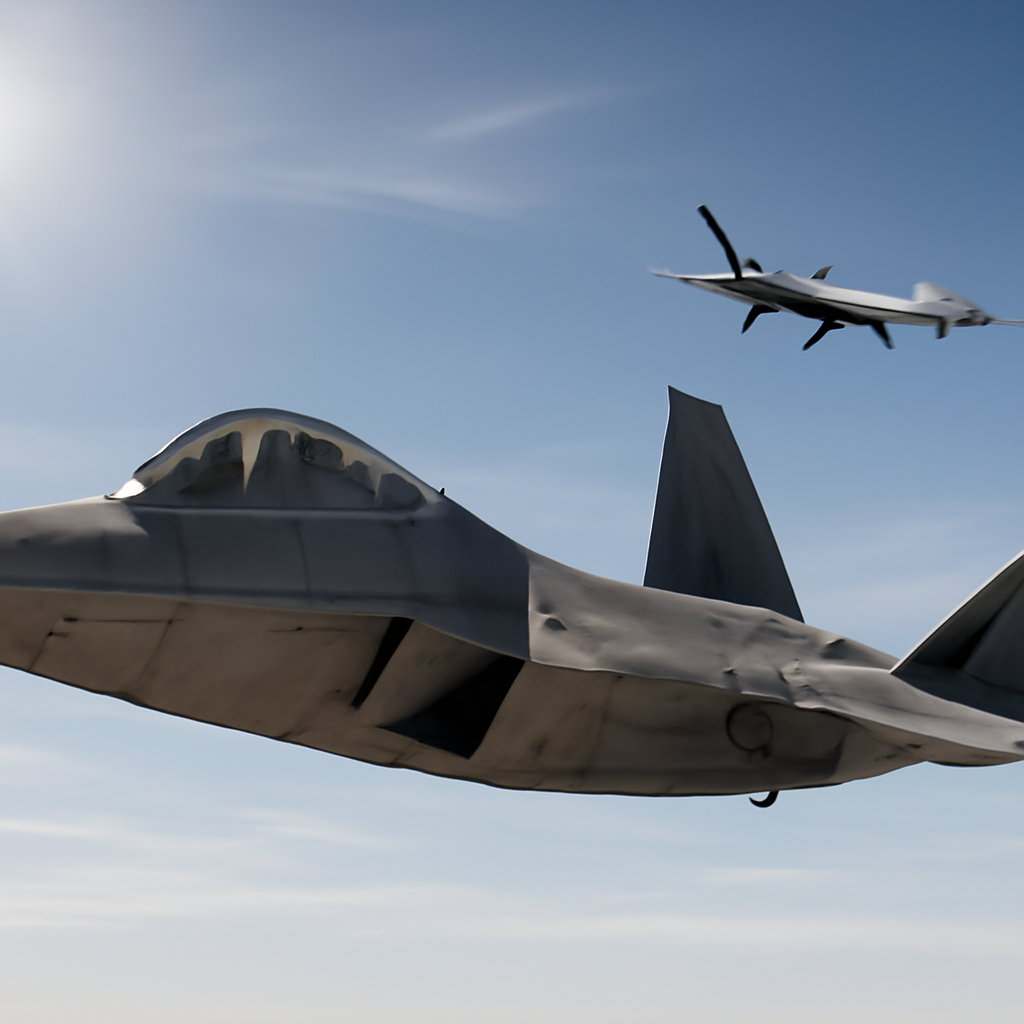
Forging the Future of Armored Warfare: 3D-Printed Drones and Tank Formations
The 3rd Infantry Division is rewriting the modern playbook for armored operations. In a bid to enhance battlefield effectiveness, the Army’s first armored Transformation-in-Contact unit is integrating 3D-printed drones into its tactical formations—an innovation that promises to reshape how forces “mass effects” during combat. As military theaters evolve, this experiment signals both an embrace of technological ingenuity and a strategic pivot in armored doctrine.
On a bright autumn morning at a secure training facility, officers and enlisted soldiers have been observed coordinating maneuvers that blend traditional armored power with the agility of unmanned systems. Observers note that the introduction of 3D-printed drones into the operational mix allows for rapid deployment and localized intelligence, potentially offering commanders a decisive advantage over adversaries in complex environments. The integration is not merely an exercise in technology; it is a deliberate evolution to achieve greater operational synergy on the battlefield.
Historically, the evolution of armored warfare has been punctuated by breakthroughs—from the massed tank assaults of World War II to the precision engagements powered by modern electronics in recent decades. This latest initiative builds upon decades of innovation and doctrinal shifts. The Transformation-in-Contact program, a product of rigorous internal reviews and strategic foresight, aims to modernize the Army’s approach to combat by integrating unconventional and rapidly adaptable assets into traditional force structures.
In recent months, Army leaders have underscored the need for units that can operate with increased autonomy while maintaining tight coordination with larger combat formations. A Department of the Army press release confirmed that experimental exercises have been underway, testing both the technological capabilities of these 3D-printed drones and the efficacy of their integration with conventional tank crews. The drones are being developed using advanced additive manufacturing techniques—a method long celebrated in industry but only recently tapped for direct military applications. Officials emphasize that this approach enhances the speed of production and allows for on-demand customizations tailored to specific mission needs.
This pioneering effort matters for several key reasons. First, the use of 3D-printed drones introduces a new layer of situational awareness and target acquisition into armored warfare—a domain historically dominated by heavily armored platforms with inherent limitations in agility. Second, by leveraging rapid manufacturing processes, the Army can field and adapt these unmanned systems rapidly, ensuring that technological upgrades are both timely and cost-effective. Third, as warfare becomes increasingly multidimensional and network-centric, the ability to integrate disparate systems into a single cohesive battle network becomes paramount.
Military strategists and defense analysts alike have noted that the strategic integration of unmanned platforms into ground operations could serve as a force multiplier. Charles “Chuck” Hagel, former U.S. Secretary of Defense, once cautioned against static doctrines in modern combat, a sentiment echoed by current experts who emphasize flexibility and innovation. Though no single official attribution in this case builds on the private insights of retired military officers, many strategists from organizations such as the Center for Strategic and International Studies have highlighted similar initiatives as vital to maintaining U.S. technological superiority on the battlefield.
Several factors underscore the experiment’s significance.
- Enhanced Tactical Flexibility: By merging traditional tank formations with agile, 3D-printed drone reconnaissance, units can dynamically adjust to threats, identifying and neutralizing targets with improved precision.
- Cost and Time Efficiency: Additive manufacturing allows for rapid prototyping and production of custom drone components, reducing lead times and potentially lowering maintenance costs during prolonged field operations.
- Force Multiplication: The ability to “mass effects” through coordinated strikes by both manned and unmanned systems could upset traditional defensive postures, forcing adversaries to contend with unpredictable multi-domain engagements.
While the advances are promising, military experts caution that the road to operational integration is complex. Interoperability challenges, cybersecurity risks, and the need for extensive training programs present hurdles that must be overcome. A balanced view from defense industry analysts is that while transformative, the initiative is at an experimental stage—one that requires iterative refinement, thorough testing, and careful scaling before it becomes a mainstay on modern battlefields.
Looking ahead, the potential ripple effects of this experiment are significant. If successful, the model for integrating 3D-printed unmanned aerial systems with armored units could expand to other domains, influencing how future joint operations are structured. Policymakers, backed by rigorous budget reviews and technology assessments at the Department of Defense, will likely scrutinize both the cost-effectiveness and strategic implications of such integration. Meanwhile, adversaries are no doubt assessing these changes keenly, adapting their doctrines in anticipation of a new era in armored warfare.
As the Army continues to refine its Transformation-in-Contact unit, observers are left to wonder whether this proposition marks the beginning of an enduring tactical revolution or simply a well-executed experiment on the cutting edge of military innovation. The outcome may well hinge on the ability of leaders to balance the promise of technological advancement with the unpredictable realities of modern combat. In the continuously evolving landscape of military strategy, one thing remains clear: adapting to change is not only necessary—it is imperative for staying ahead on today’s complex and ever-shifting battlefield.
Ultimately, the integration of 3D-printed drones into innovative tank formations challenges long-held conventions and opens the door to a reimagined future for armored warfare. As the Army tests and refines these tactics, one may ask: How will tomorrow’s battlefield be defined by the seamless interplay of manned might and unmanned agility?