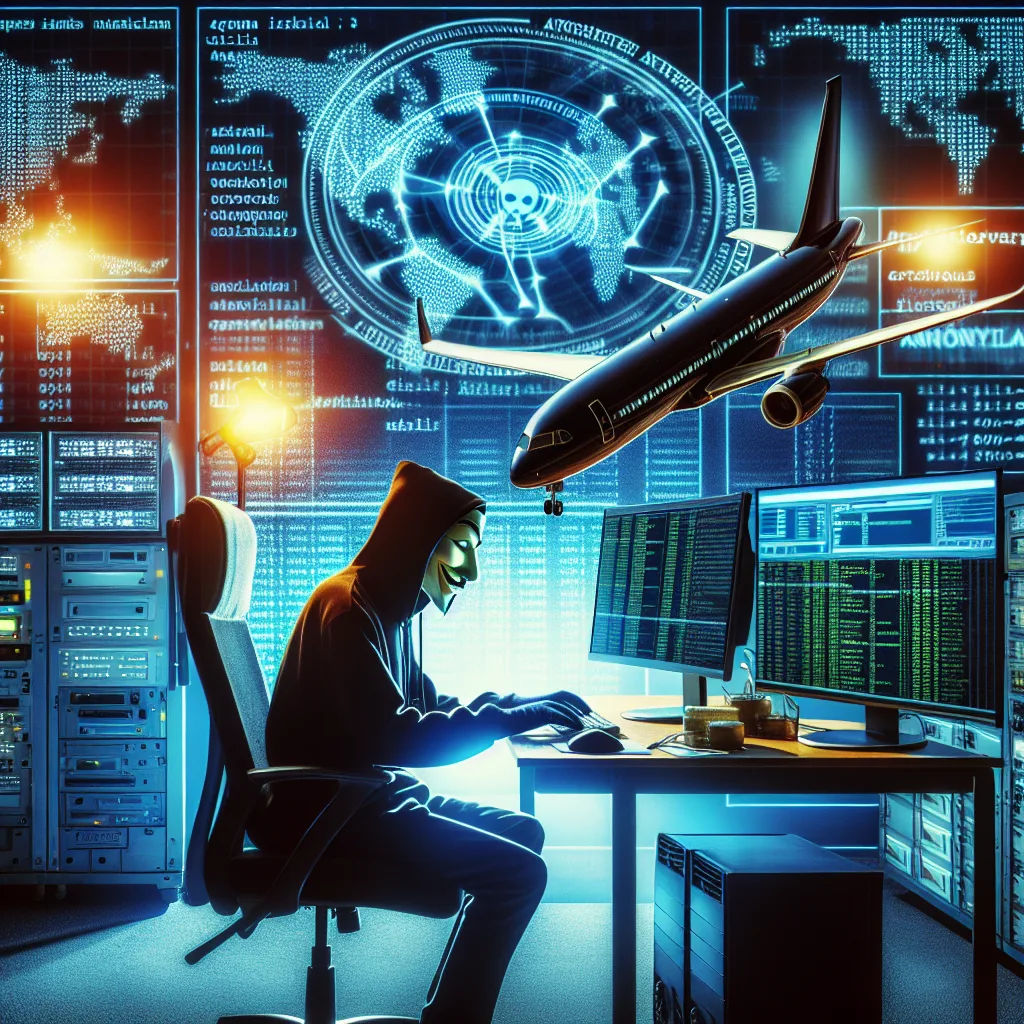
WestJet Grapples with Cyber Siege Amid Rising Aviation Threats
In a stark reminder of the digital vulnerabilities facing critical infrastructure, WestJet—Canada’s second-largest airline—has launched an investigation into a cyberattack that has disrupted access to some of its internal systems. As the airline mobilizes its technical and security teams, the unfolding incident poses fresh questions about the resilience of aviation operations in an increasingly interconnected world.
In a public statement issued last week, WestJet confirmed that unauthorized actors had breached several of its internal systems. While the extent of the disruption appears, for now, to be limited to non-passenger-facing operations, WestJet acknowledged that internal communications and certain administrative functions have been affected. The airline has reassured customers and employees that there has been no impact on flight operations or passenger safety, though it remains on high alert as it collaboratively works with cybersecurity experts and authorities.
This incident is not an isolated event. Over the past decade, the aviation industry has grappled with a series of cybersecurity challenges. As aircraft, ground systems, and booking platforms become increasingly digital, the integrity of these technologies has emerged as a critical issue. Regulatory bodies such as Transport Canada and international organizations including the International Air Transport Association (IATA) have continuously underscored the need for robust cybersecurity protocols in the airline industry. WestJet’s situation thus serves as a timely case study of both the progress made in digital security and the persistent vulnerabilities that remain.
According to WestJet’s internal cybersecurity team, the breach appears to have exploited vulnerabilities within legacy internal systems that had not been fully updated to address the latest digital threats. While specific technical details remain confidential pending further investigation, independent cybersecurity experts note that such gaps are increasingly common in large, established organizations. “Airlines hold some of the most sensitive data in the world, from employee records to operational details,” explained Philippe Dufour, a security analyst with the Canadian Cyber Risk Institute. “An effective defense strategy must evolve in tandem with emerging threats, particularly as adversaries employ increasingly sophisticated methods.”
WestJet is not alone in this challenge. Over the past year, multiple high-profile organizations worldwide have come under cyberattacks, with healthcare, finance, and even government agencies grappling with systemic vulnerabilities. This trend is forcing policymakers and industry leaders alike to rethink cybersecurity investment, not merely as a technical IT issue but as a strategic imperative with wide-ranging implications. The incident with WestJet also follows similar attempts in sectors where digital infrastructure has become critical to national security and economic stability.
Experts emphasize that the true impact of such breaches often goes beyond immediate operational disruptions. In the aviation industry, a compromised internal system can have ripple effects: delayed maintenance schedules, disrupted communications between crew and control centers, and even potential risks to non-digital operations if procedural chaos ensues. Furthermore, recurring cyber incidents can erode public trust, further complicating an already pressurized industry in a post-pandemic world where travel demand is surging.
Policy analysts and cybersecurity advocates are calling for a comprehensive review of current protocols. “This isn’t about one single incident but about reexamining the cybersecurity framework that supports our entire national infrastructure,” stated Margaret Lawson, a cybersecurity consultant with SecureTech Solutions. “Airlines like WestJet must lead by example, integrating advanced threat detection, continuous system updates, and incident response strategies that reflect the realities of today’s digital landscape.”
As WestJet continues its investigation, the outlook for the airline and the broader aviation sector remains under close scrutiny. Regulators such as the Canadian Transportation Agency are expected to monitor the situation, and policymakers may well use this episode to advocate for additional cybersecurity regulations. Historical precedents in both the aviation and broader public sectors suggest that such incidents often precipitate renewed investments in security measures, heightened corporate governance standards, and tighter collaboration between private industry and government entities.
Looking ahead, several key factors warrant careful attention. Industry watchers are interested in how quickly WestJet will fully restore its internal operations to pre-incident conditions. In parallel, the incident could catalyze a broader discussion about cybersecurity best practices in the aviation sector, potentially influencing future regulatory actions designed to mitigate similar risks. With the cyber threat landscape evolving at a relentless pace, organizations within and outside the aviation industry may soon seek to emulate WestJet’s approach in balancing operational functionality with robust digital security.
Ultimately, the WestJet cyberattack stands as a reminder that even well-established institutions are not immune to digital warfare. As airlines, governments, and regulatory authorities strive to safeguard the economic and operational stability of critical industries, the incident underscores the necessity of balancing technological innovation with diligent cybersecurity practices. In an era defined by digital interconnectivity, one must ask: can we ever truly secure our systems against the ever-adapting tactics of cyber adversaries, or is vulnerability an inescapable reality of the digital age?



