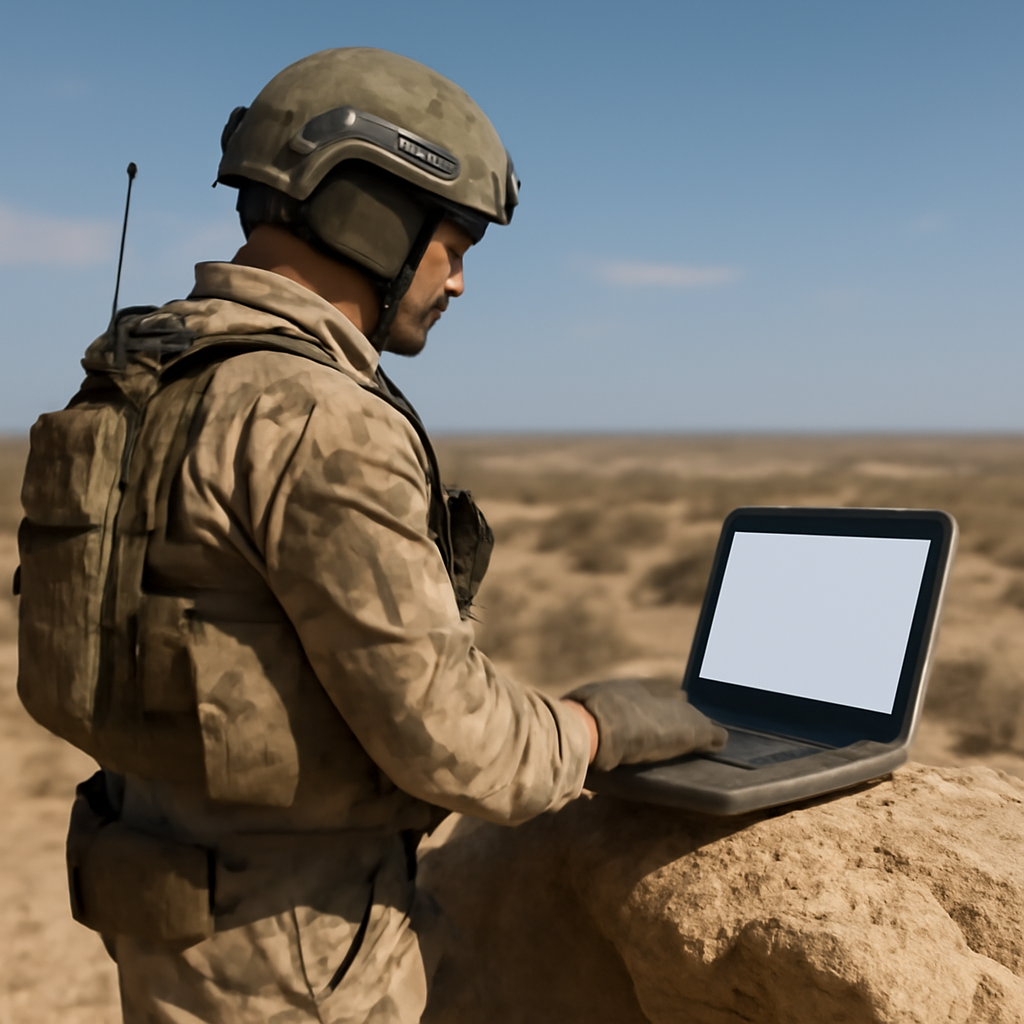
Why connectivity at the edge now determines mission outcomes
Connectivity at the edge is framed in one line in the podcast exchange: it is a core factor in determining mission success and operator safety for personnel operating in high-threat, high-sensitivity environments. Special operations and intelligence teams, the guests stressed, constantly balance the operational imperative to remain networked for situational awareness against the equal imperative to avoid signaling their presence. Any transmission can expose location when adversaries are able to track digital signatures and mobility patterns; the conversation argued that better hardware alone will not solve that tension.
Private 5G and CBRS: building uncontested communications bubbles
Robert Conway and host Matt Langan discussed how private 5G networks and Citizens Broadband Radio Service (CBRS) can be combined with virtual mobility solutions to create secure, uncontested communications bubbles. Those bubbles, the guests said, can be set up anywhere to give teams local, resilient connectivity without relying solely on public cellular networks. The approach ties together cloud-secured mobility, signal planning, and spectrum control to keep operators both informed and less detectable.

This site is the portfolio.
OSINTSights runs on Cloudflare Workers, D1, R2, and Vectorize, with an AI pipeline on Hetzner ARM. Nubivance designed, built, and operates it. We do the same for clients.
See what we buildMasking digital exhaust and obfuscating cellular location
One theme the podcast returned to was technologies that mask or obfuscate cellular location. Conway described systems that alter or spoof the location signals of devices and equipment that reduce the electronic footprints units leave while moving. In their telling, such tools are designed to keep operational patterns unpredictable: by changing or hiding the “digital exhaust” that transmissions produce, units avoid telegraphing their presence even while maintaining some degree of networked awareness.
Low Earth orbit satellites and rapid acquisition for low-signature gear
The discussion also covered low Earth orbit satellite architectures and procurement behavior. Conway and Langan said that LEO satellite architectures, together with rapid acquisition cycles, let units field low-signature equipment more quickly. The combination was presented as a way to stay ahead of adversarial tracking: rather than waiting for generational hardware refreshes, teams can adopt newer architectures and faster procurement paths to reduce equipment signature while preserving reach and connectivity.
What this means for technologists, procurement leaders, and special operations teams
- Technologists and security teams: Expect to coordinate cloud-secured mobility, signal planning, and spectrum tools — including private 5G and CBRS — to assemble local communications bubbles while integrating techniques that mask digital exhaust.
- Procurement leaders and acquisition planners: The podcast framed rapid acquisition cycles as an operational enabler: accelerating procurement for LEO-capable and low-signature systems is presented as a way to field protective connectivity solutions before adversaries adapt.
- Special operations and intelligence teams: Units will have to balance staying networked for situational awareness with the risk that any transmission could expose location; the conversation emphasized tactics and tool choices that limit electronic signatures while preserving critical information flow.
The core argument in the episode is straightforward and consequential: hardware improvements alone are insufficient. Protecting operators in contested environments requires rethinking how cloud-secured mobility, signal, and spectrum work together, while adding techniques that mask or alter the unavoidable digital traces teams leave behind. That synthesis — private 5G and CBRS bubbles, virtual mobility, location‑masking technologies, and rapid adoption of LEO-enabled, low-signature equipment — is presented as the practical path to keep teams invisible and informed.