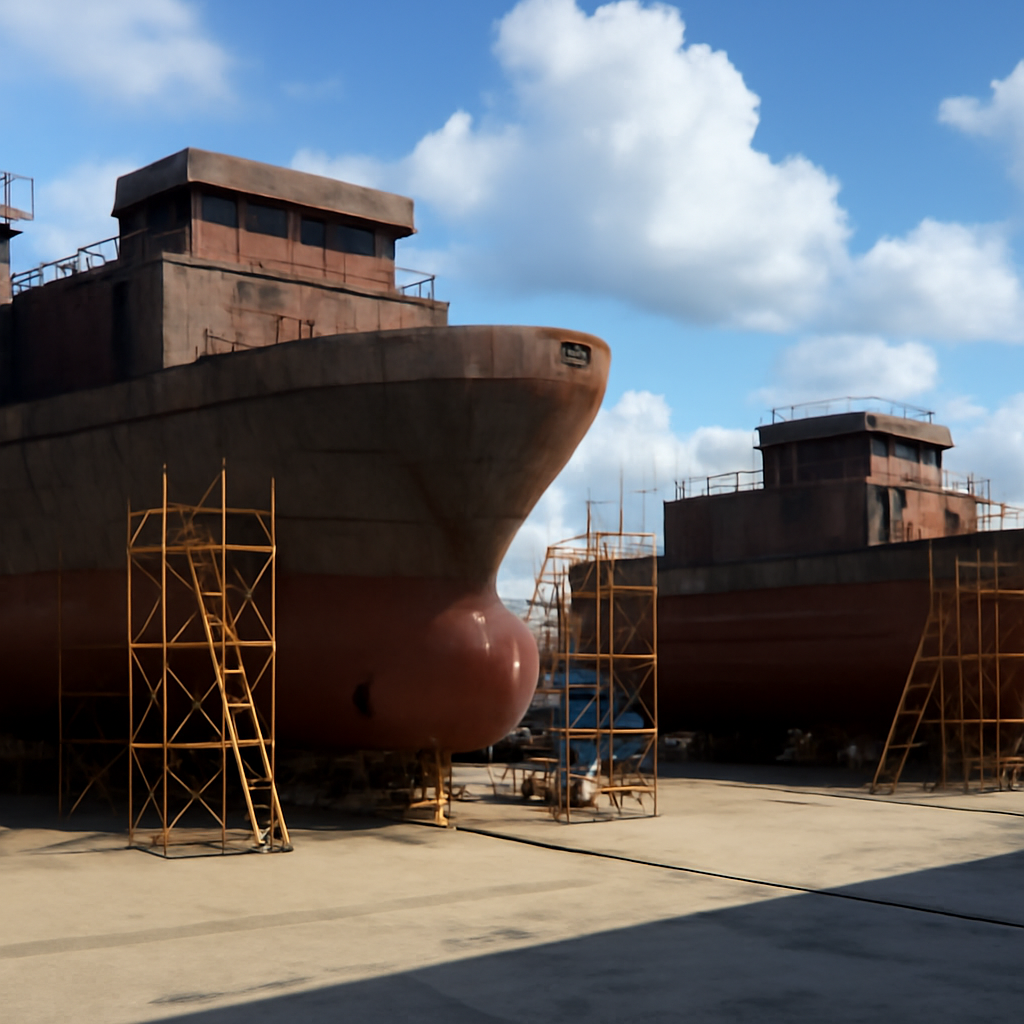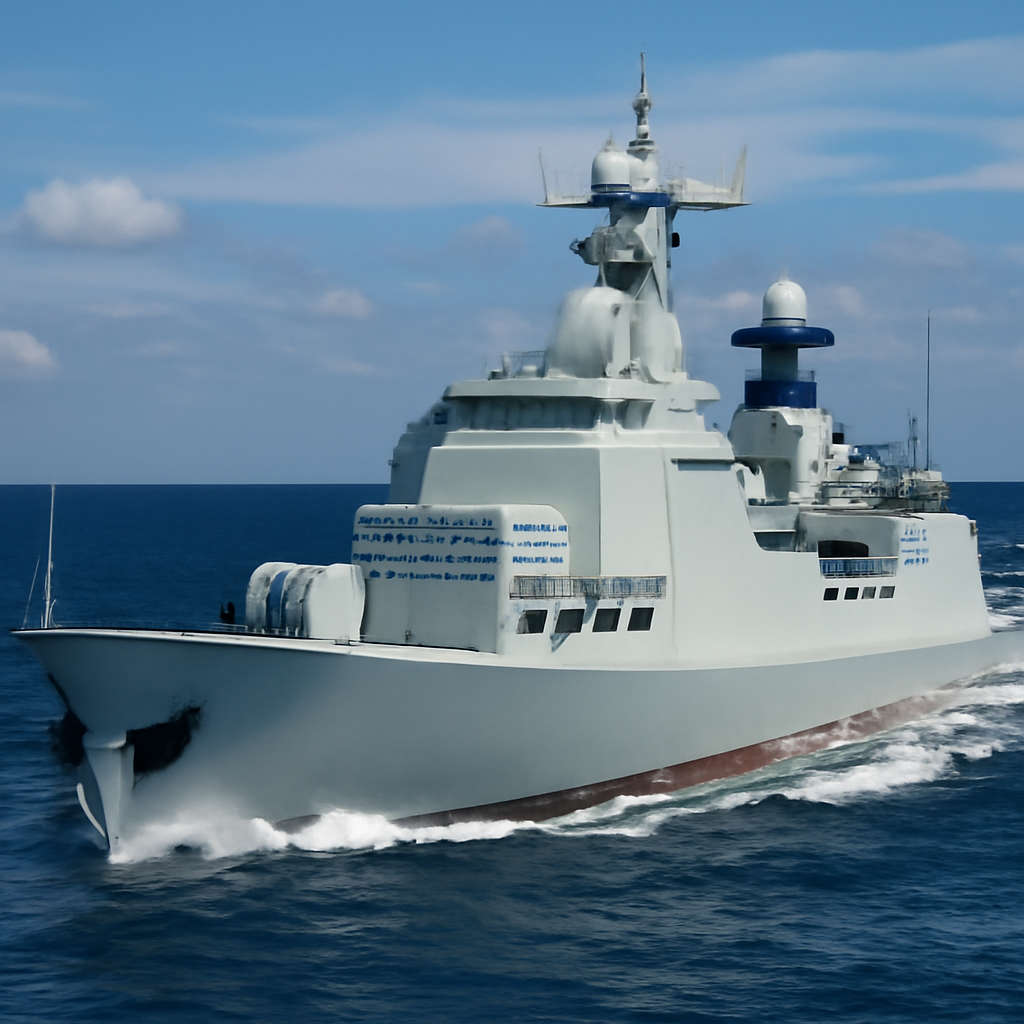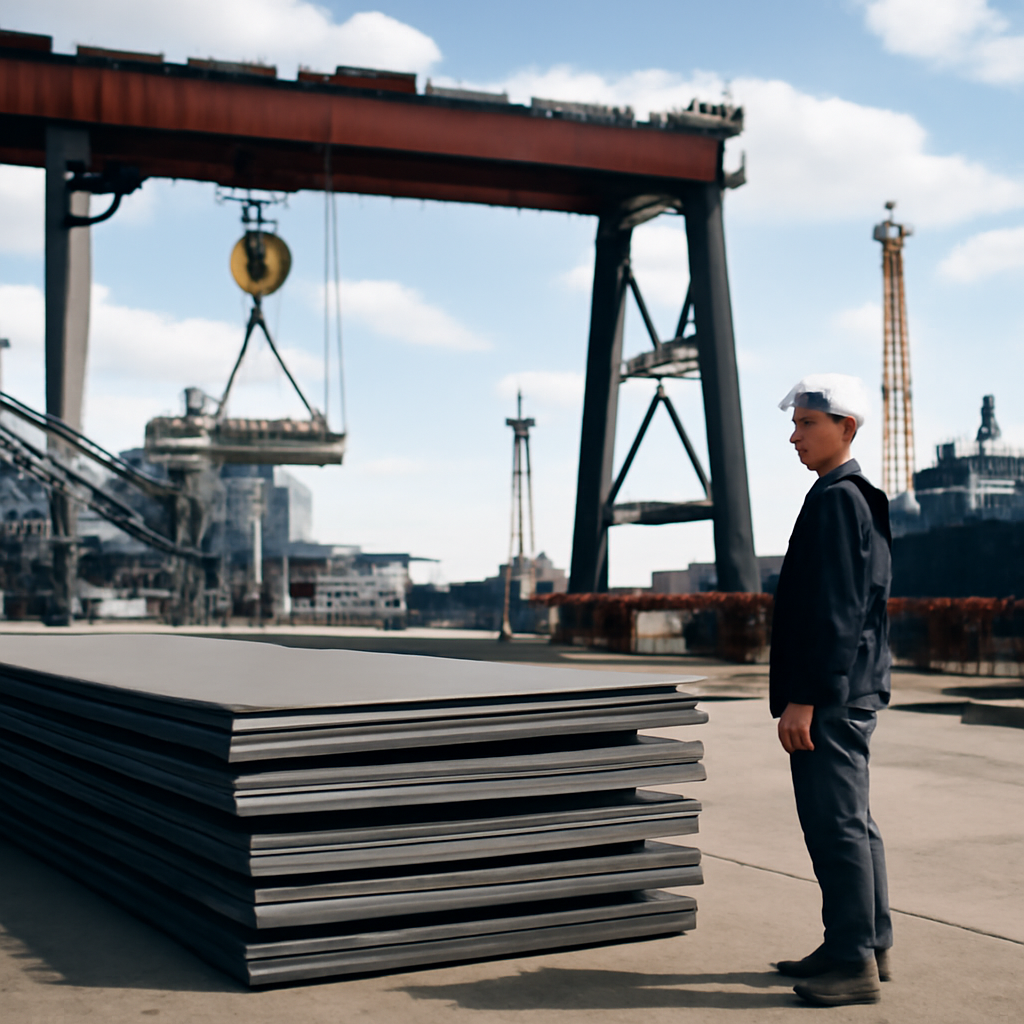
Australia has committed A$8.5 billion to the submarine construction yard at Osborne — a single, concrete investment that helps explain why defence procurement and the country’s green-steel ambitions are not separate projects but potentially reinforcing ones.
AUKUS Pillar One is creating durable demand for specialised steel
AUKUS’s shipbuilding and submarine programs are producing decades of demand for specialised steel and advanced manufacturing, according to the source. That demand has already delivered tangible outcomes: Australian-made HY80 steel plate secured its first order for US Virginia-class submarine construction after the US Navy qualified Bisalloy — a firm that processes and heat‑treats raw plate from fellow Australian company BlueScope. The source identifies AUKUS Pillar One as creating a new market for Australian metallurgical capability, and it notes Australia’s A$8.5 billion commitment to the Osborne submarine construction yard as part of that industrial effort.
Green steel: process definition and ambition
The source defines “green steel” by production method: one route uses renewable hydrogen for direct reduction of iron ore, followed by melting in electric furnaces powered by low‑emissions electricity. Australia already positions itself upstream in this potential value chain — its ore, export infrastructure, renewable‑energy potential and skilled workforce underpin a A$1 billion Green Iron Investment Fund. A government‑cited estimate in the source suggests green iron and steel could add up to A$96 billion annually to export revenue by 2040, though the source describes that figure as a potential return, not a guarantee.

This site is the portfolio.
OSINTSights runs on Cloudflare Workers, D1, R2, and Vectorize, with an AI pipeline on Hetzner ARM. Nubivance designed, built, and operates it. We do the same for clients.
See what we buildTechnical limits: military performance standards and Australian ore chemistry
The source stresses that military or “military steel” is defined by performance: naval steel must meet exacting standards for strength, fracture toughness, fatigue resistance, weldability, corrosion resistance and traceability. Lower emissions in production do not remove the need for rigorous qualification. The source also identifies a technical obstacle specific to Australian inputs: much Pilbara iron ore contains impurities that complicate its use in conventional direct‑reduction and electric‑arc‑furnace routes. Project NeoSmelt, led by BlueScope, is investigating a combined direct‑reduction and electric‑smelting route intended to remove those impurities and widen the range of Australian ores suitable for lower‑emissions supply chains.
How Defence purchasing can reduce investment risk for green producers
The source argues that demand from armed forces alone cannot sustain a green‑steel industry, but Defence orders can provide the predictable, long‑term purchase commitments that make green iron projects investable. Conventional blast‑furnace steel already meets Defence needs today; the strategic risk is losing access to approved material when a supplier fails or demand surges, and qualifying another producer is time‑consuming. Green investment that includes Australian steelmaking, heat treatment and testing could add alternative, sovereign-capable supply lines. The source proposes a staged approach: lower‑emissions steels enter infrastructure and suitable sustainment applications first, and only move into the most demanding uses such as shipbuilding after testing and qualification against existing standards. In the interim, conventional steel remains in use where green alternatives cannot yet meet military requirements.
What this means for Defence, green‑steel producers, and Australian exporters
- Defence procurement: can use long‑term purchase commitments to support domestic qualifying work — developing heat treatment, testing and traceability processes that also bolster resilience against supplier disruption.
- Green‑steel producers and project developers (including BlueScope and NeoSmelt participants): gain a high‑value, demanding customer in Defence that can drive qualification and capability, while relying on civilian sales for scale and revenue to justify investments supported by funds such as the A$1 billion Green Iron Investment Fund.
- Australian exporters and miners: have an opportunity to capture more upstream value by converting ore into lower‑emissions iron and steel at home, but face technical hurdles from Pilbara ore impurities and the need to demonstrate that greener production can meet military standards.
International examples cited in the source underscore different ways to link defence demand and cleaner production: Germany’s Rheinmetall has a letter of intent with SSAB for lower‑emissions steel, Canada’s Algoma and Roshel are building domestic ballistic‑steel capability while Algoma shifts to electric steelmaking, and India’s SAIL supplied all special‑plate requirements for INS Taragiri (without the same green‑steel linkage). These cases illustrate paths Australia could follow — combining cleaner production with the qualification needs of naval and defence customers.
The source’s central prescription is practical: connect the Green Iron Investment Fund, industrial precincts, AUKUS supplier qualification, and Defence purchasing to create a pathway from Australian ore through lower‑emissions ironmaking and steelmaking to finished, qualified military material. Doing so would not force premature substitution of conventional steel where it still performs best, but would give producers a staged route into Defence supply chains while protecting military performance and building domestic resilience.
Link to the original: https://www.aspistrategist.org.au/green-steel-can-help-defence-which-can-help-green-steel/