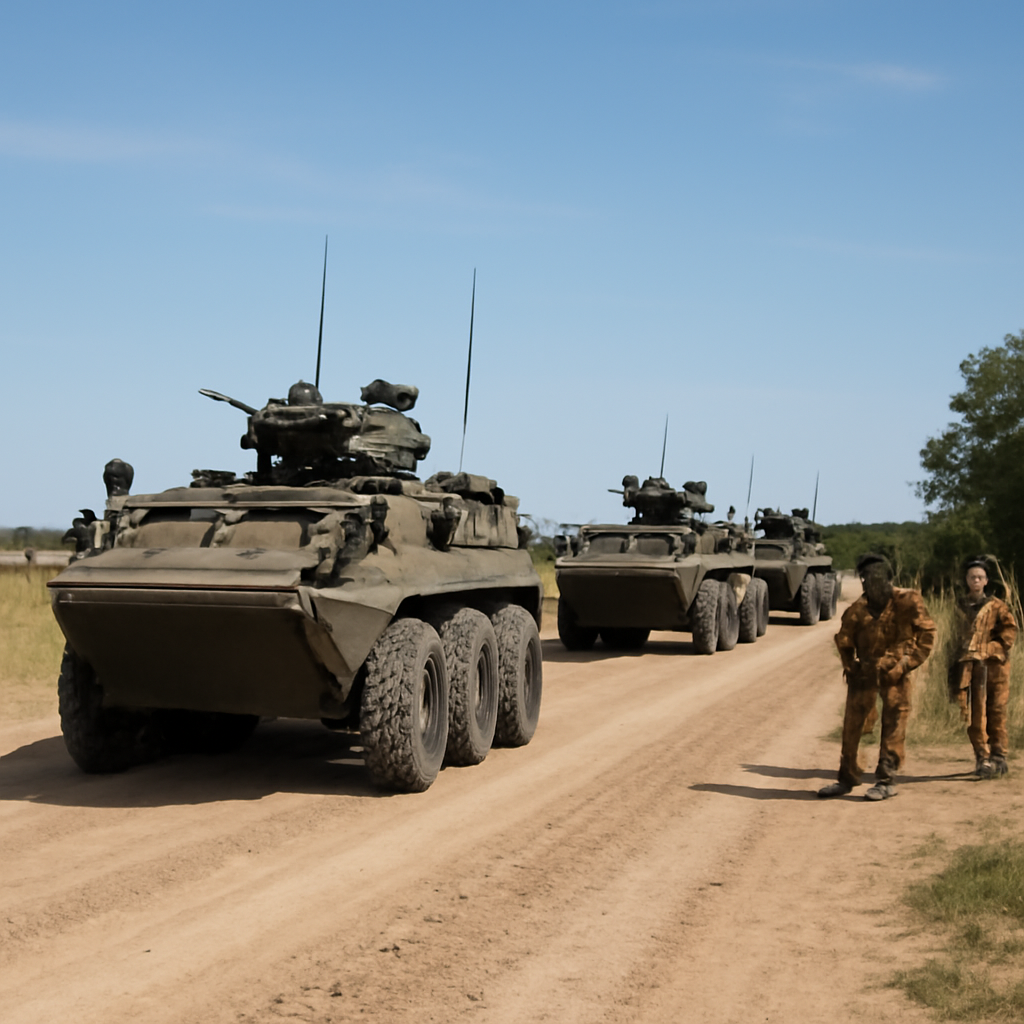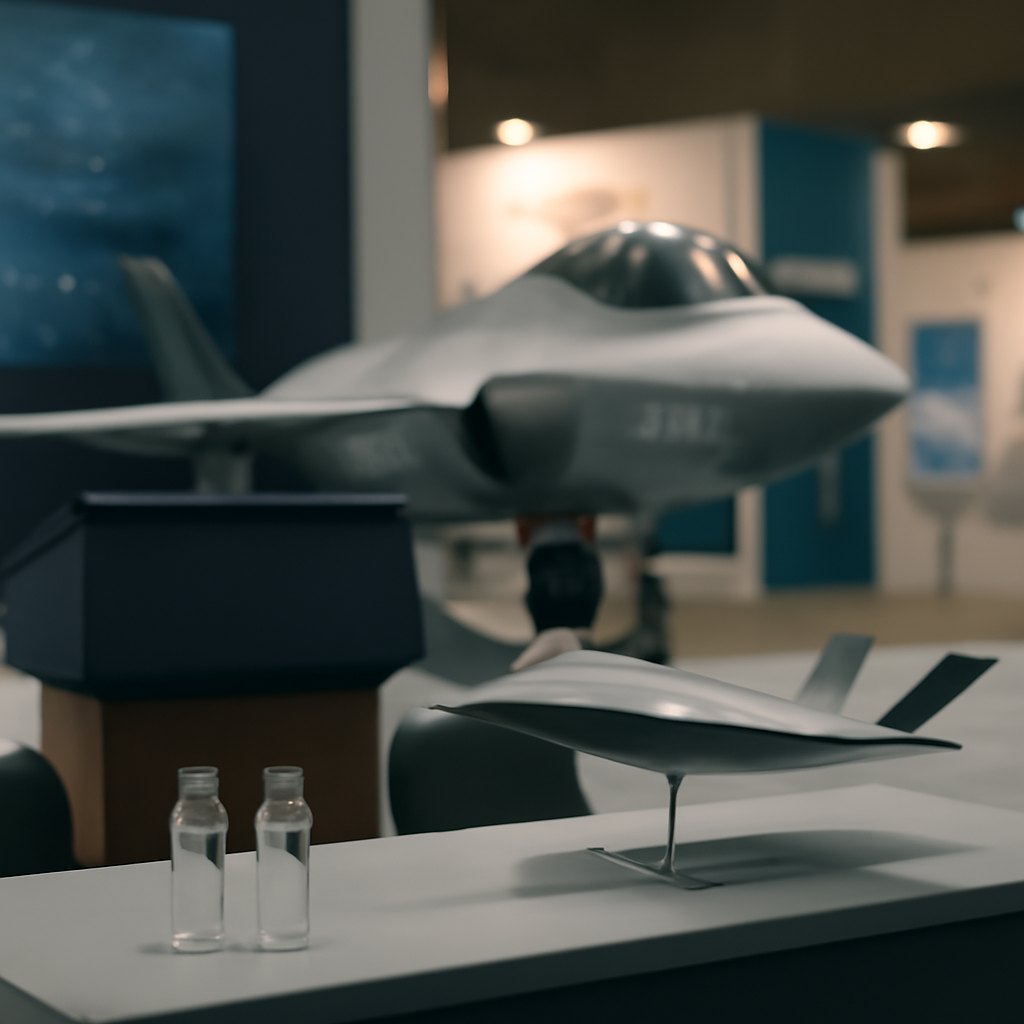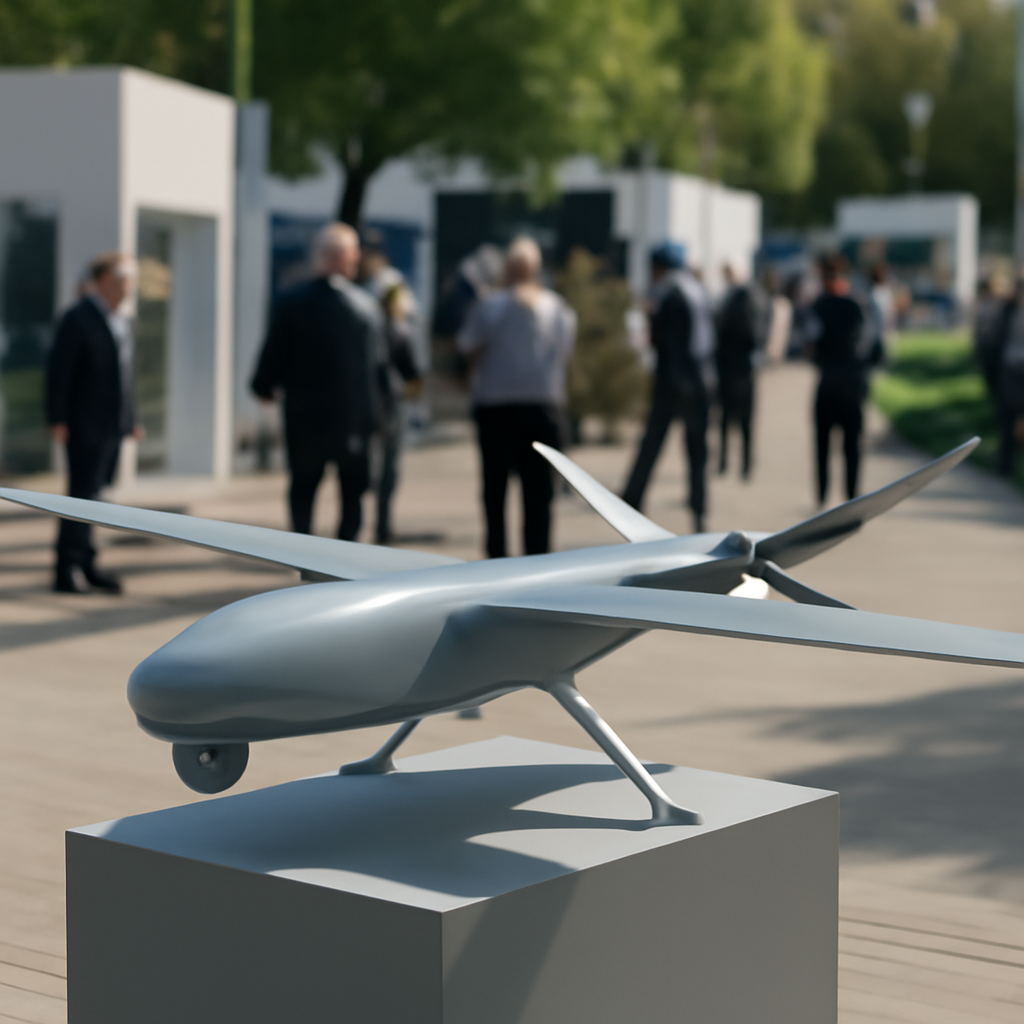
The F-1500 and F-5000 loitering munitions notably carry 1.5 kg and 5 kg warheads, respectively, according to Azerbaijani reporting of a sale announced at ADEX 2026.
DEFTECH (Blackyard) and the DT-001 ‘mothership’
Azerbaijani news media reported that a company identified as DEFTECH — also known as “Blackyard” — announced the sale of an unspecified number of unmanned aerial systems to Pakistan at the 6th Azerbaijan International Defence Exhibition (ADEX 2026). The systems cited in those reports center on the DT-001 reconnaissance/strike “mothership” platform, which is described as able to deploy the company’s F-1500 and F-5000 loitering munitions. The munitions are reported to deliver 1.5 kg and 5 kg warheads, respectively.
ADEX 2026 announcement and Quwa’s follow-up
The sale was reported in Azerbaijani outlets in connection with ADEX 2026; Quwa reached out to the founders of DEFTECH for confirmation and specific details and said it would update its reporting accordingly. As of Quwa’s item, the Azerbaijani media reports have not been verified outside those outlets.

This site is the portfolio.
OSINTSights runs on Cloudflare Workers, D1, R2, and Vectorize, with an AI pipeline on Hetzner ARM. Nubivance designed, built, and operates it. We do the same for clients.
See what we buildHow this sits with Pakistan’s one-way attack (OWA) trajectory
Quwa places the DEFTECH announcement alongside other recent supplier moves toward Pakistan’s one-way attack (OWA) drone approach. The reporting notes that Pakistan’s Ministry of Defence signed a deal with the American company Powerus, and that a Ukrainian company, Fire Point, has been marketing FP-1 and FP-2 OWA drones to Pakistan via a private Pakistani company. Quwa characterized Pakistan’s strategy as one that seeks to “rapidly amass numbers by drawing on both state and private suppliers.”
Supplier diversity and Pakistan’s production constraints
Quwa’s reporting underscores a structural constraint: Pakistan currently lacks the industrial production throughput to support a wartime effort at the scale seen in the Ukraine or Iran cases. Given that shortfall, the piece explains, supplier diversity — drawing on state-owned enterprises, domestic private firms, and overseas vendors — becomes important to maintaining war-ready stocks. At the same time, Quwa emphasizes that off-the-shelf purchases of this nature “do merit scrutiny,” even when multiple suppliers are in play.
How Pakistan’s Ministry of Defence, DEFTECH founders, and security analysts are positioned
- Pakistan’s Ministry of Defence: The MoD has already signed a deal with Powerus and is being approached by other vendors, suggesting procurement activity consistent with a scale-driven OWA approach.
- DEFTECH founders: Quwa has reached out to them for confirmation and more specifics; their responses will be central to establishing the terms, scope, and export controls (if any) tied to the reported sale.
- Security analysts and procurement watchers: According to Quwa’s framing, these observers will likely view such off-the-shelf purchases with skepticism while monitoring supplier diversity and production throughput as measures of Pakistan’s ability to sustain a scale-heavy drone posture.
The reportage from Azerbaijani outlets places DEFTECH’s DT-001 and its F-series munitions into a broader pattern: Pakistan is actively accumulating external solutions and suppliers to compensate for limited domestic production throughput, and recent deals—from Powerus to the marketing of Fire Point systems—fit a scale-driven doctrine. At the same time, the core factual points remain provisional: the number of systems sold, the exact sale terms, and operational intent were not provided in the Azerbaijani reports, and Quwa has said it sought confirmation from DEFTECH’s founders and will update the record.
Original report: https://quwa.org/pakistan/market-intelligence/demand-tracker-reports-of-azeri-loitering-munitions-sales-to-pakistan/