Brig. Gen. Michael Smith on the new deployments
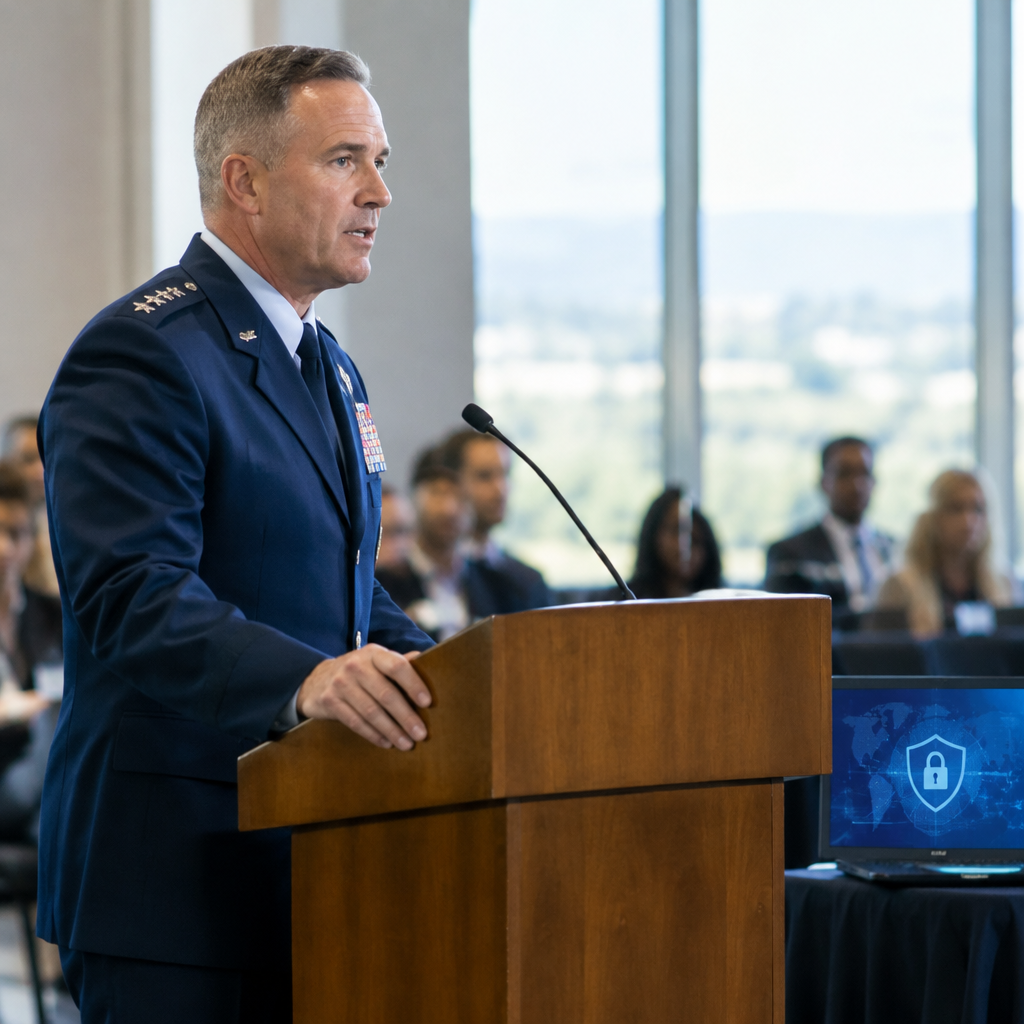
Brig. Gen. Michael Smith, director for command, control, communications, computers and cyber at PACOM, delivered the account at the TechNet Indo-Pacific Conference last week. He described the arrivals as “a level of additional cybersecurity defense here in this theater,” saying the newcomers assigned to the Defense Information Systems Agency Pacific provide capabilities PACOM did not have on site previously.
Smith emphasized the practical effect: before the arrivals, responsibility fell more narrowly within existing PACOM cyber staff. The comment that “when they weren’t here, it’s just me” made plain that the deployment relieves personnel pressure and expands operational bandwidth for theater defenders.
DISA-Pacific and the 'roll down' from DCDC
The servicemembers were moved from Maryland to Hawaii and assigned to the Defense Information Systems Agency Pacific (DISA-Pacific), the regional field command of the Fort Meade–based DISA organization. The personnel were drawn from the Department of Defense’s Cyber Defense Command (DCDC), also based at Fort Meade.
Smith described the action as a “roll down” of DCDC personnel to PACOM’s area of responsibility to “build out a more robust defender perspective with all the tools and assets to go with that.” The description signals an intent to embed DCDC-trained defenders at the regional level rather than rely solely on remote or centralized support.
The source states that DCDC falls under US Cyber Command and is responsible for defending the Pentagon’s data networks. The deployed individuals are characterized as trained to protect information and respond to incidents, making them operational assets for both day-to-day defense and incident response in the Pacific theater.

The cyber insurance questionnaire just landed. Now what?
SOC 2, HIPAA, insurance renewals - someone has to own security strategy. Nubivance provides fractional CISO leadership without the full-time salary.
Get a security leadChina, Guam and the operational context in the Pacific
While Smith did not discuss any specific threats to PACOM networks at the conference, the account framed the deployments against a contested cyber environment. The report notes PACOM “operates in the region with perhaps America’s most technically proficient adversary: China.” Analysts referenced in the source say Beijing has been caught targeting the networks of military critical infrastructure installations in Guam, aiming to cripple a Washington response to action in the region.
The story also records that US Cyber Command has sought to increase cyber defense funding in the region in recent years, a funding push that aligns temporally with the movement of DCDC personnel into PACOM’s area of responsibility.
What this means for technologists, policymakers, and PACOM
- Technologists and security teams: The arrival of DCDC-trained operators at DISA-Pacific creates immediate operational synergies — local presence for incident response, and hands-on integration of “tools and assets” intended to harden networks. Teams will need to align procedures with the newly embedded defenders to make effective use of that additional capacity.
- Policymakers and funders: The deployments dovetail with reported US Cyber Command efforts to increase cyber defense funding in the region. Policymakers monitoring resource allocation can view the personnel moves as an execution step tied to broader funding and capability decisions already underway.
- PACOM leadership and regional commanders: The shift reduces individual burden — as Smith’s remark underscores — and promises a “more robust defender perspective.” That ought to change planning assumptions for network protection, incident escalation, and the division of labor between theater-based and continental commands.
Next steps and a pointed question for Pacific cyber defense
The movement of DCDC personnel to DISA-Pacific under the banner of Cyber Defense Forces Pacific is a concrete, operational step: Pentagon cyber operators from Maryland are now in Hawaii to bolster theater defenses. It is framed by command-level intent (“build out a more robust defender perspective”) and by reported regional pressure, including activity attributed to China against installations in Guam. US Cyber Command’s push to increase regional cyber defense funding provides a parallel policy track to these deployments.
What remains open, and what the public record here leaves unanswered, is how long these personnel will stay, how their presence will be institutionalized within DISA-Pacific and PACOM, and whether the funding increases CYBERCOM has sought will match the scope of the theater’s needs. For now, the immediate effect is clearer: more defenders forward-deployed in Hawaii, easing operational strain and expanding local incident-response capacity for a command operating in a technically contested region.