US Navy Welcomes Its First Dive-LD Drone Submarine
Overview
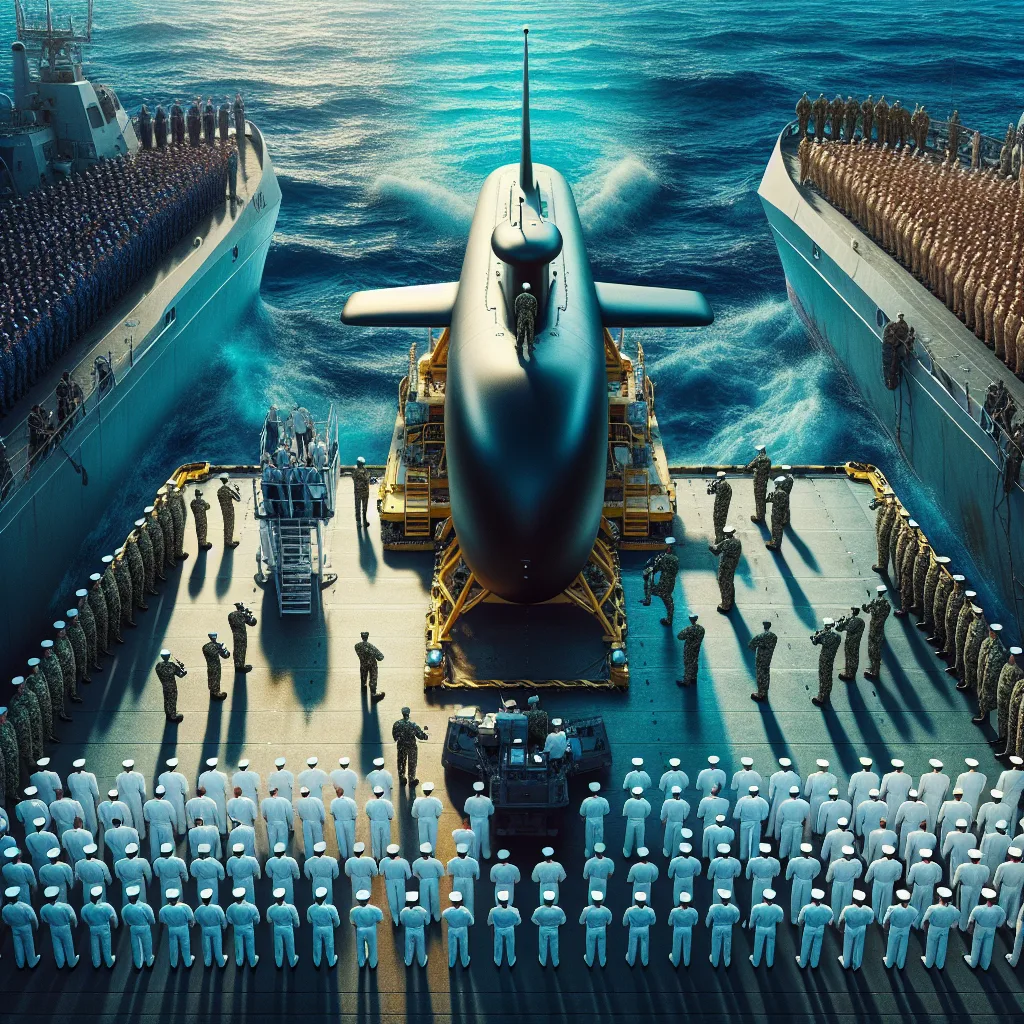
The recent delivery of the Dive-LD autonomous underwater vehicle (AUV) to the U.S. Navy marks a significant milestone in naval warfare and maritime security. This innovative technology, developed by defense tech company Anduril, is poised to transform the operational capabilities of the Navy, particularly in the realms of intelligence, surveillance, and reconnaissance (ISR). The implications of this advancement extend beyond mere technological enhancement; they touch upon strategic military dynamics, geopolitical stability, and the future of naval engagements. Stakeholders, including military operators, policymakers, and defense contractors, must navigate this evolving landscape with a keen understanding of its potential impacts.
Background & Context
The integration of unmanned systems into military operations is not a novel concept; however, the sophistication and autonomy of these systems have evolved dramatically over the past two decades. The U.S. Navy has been at the forefront of this evolution, recognizing the necessity of adapting to modern warfare’s complexities. The Dive-LD represents a culmination of years of research and development aimed at enhancing undersea capabilities. As global maritime tensions rise, particularly in contested regions such as the South China Sea and the Arctic, the need for advanced ISR capabilities becomes increasingly critical. The Dive-LD’s delivery to Unmanned Undersea Vehicle Squadron 1 (UUVRON-1) underscores the Navy’s commitment to leveraging cutting-edge technology to maintain maritime superiority.

Audit-ready is a season. It shouldn't be.
Evidence in spreadsheets, controls drifting between audits, frameworks multiplying on flat headcount. Nubivance runs continuous compliance on Rapid7 Cyber GRC - SOC 2, HIPAA, ISO 27001, PCI, CMMC.
End the scrambleCurrent Landscape
The Dive-LD is designed to operate autonomously, capable of executing missions that traditionally required manned submarines. This AUV is equipped with advanced sensors and communication systems, enabling it to gather and relay critical data in real-time. The current state of undersea warfare is characterized by a growing reliance on unmanned systems, with the U.S. Navy investing heavily in technologies that enhance operational efficiency while reducing risk to personnel. According to recent reports, the global market for AUVs is projected to grow significantly, driven by increasing defense budgets and the rising demand for maritime security solutions.
- Technological Advancements: The Dive-LD features state-of-the-art navigation and obstacle avoidance systems, allowing it to operate in complex underwater environments.
- Operational Flexibility: Its modular design enables the integration of various payloads, making it adaptable for diverse mission profiles.
- Cost Efficiency: By utilizing AUVs like the Dive-LD, the Navy can reduce operational costs associated with manned missions while enhancing data collection capabilities.
Strategic Implications
The introduction of the Dive-LD into the U.S. Navy’s operational framework carries profound strategic implications. Firstly, it enhances the Navy’s ISR capabilities, allowing for more comprehensive monitoring of maritime activities. This is particularly crucial in areas where traditional surveillance methods may be limited or compromised. Secondly, the deployment of AUVs can serve as a deterrent against potential adversaries, signaling a commitment to maintaining maritime security and readiness. Furthermore, the integration of such technology may shift the balance of power in undersea warfare, compelling other nations to accelerate their own technological advancements in response.
- Geopolitical Dynamics: The deployment of the Dive-LD could influence naval strategies among rival powers, particularly in contested waters.
- Risk Mitigation: Utilizing AUVs reduces the risk to human life in high-stakes environments, allowing for more aggressive operational strategies.
- Innovation Catalyst: The success of the Dive-LD may spur further investment in unmanned systems across various branches of the military, fostering a culture of innovation.
Expert Analysis
As a seasoned analyst, it is essential to interpret the implications of the Dive-LD’s introduction beyond its immediate operational capabilities. The shift towards unmanned systems reflects a broader trend in military strategy that prioritizes technological superiority and operational flexibility. The Navy’s investment in AUVs like the Dive-LD is indicative of a strategic pivot towards asymmetric warfare, where technology plays a crucial role in leveling the playing field against more conventional forces.
Moreover, the potential for collaboration between military and private sectors in developing such technologies cannot be overstated. The partnership with Anduril exemplifies how defense contractors can drive innovation while meeting the specific needs of military operators. This model may become increasingly prevalent as the demand for advanced military technologies continues to grow.
Recommendations or Outlook
Looking ahead, several actionable steps can be taken to maximize the potential of the Dive-LD and similar technologies:
- Enhance Training Programs: Develop comprehensive training programs for operators to ensure they can effectively utilize AUVs in various operational scenarios.
- Foster Public-Private Partnerships: Encourage collaboration between the military and defense contractors to drive innovation and reduce development timelines for new technologies.
- Invest in Cybersecurity: As AUVs become integral to naval operations, ensuring robust cybersecurity measures will be critical to protect sensitive data and operational integrity.
In terms of future scenarios, we may witness an escalation in the arms race for undersea capabilities, with nations investing heavily in their own AUV programs. This could lead to a new era of naval warfare characterized by stealth, speed, and technological sophistication.
Conclusion
The delivery of the Dive-LD drone submarine to the U.S. Navy is not merely a technological advancement; it represents a paradigm shift in naval warfare and maritime strategy. As the Navy embraces this new era of unmanned systems, the implications for global security, military strategy, and technological innovation are profound. Stakeholders must remain vigilant and proactive in adapting to these changes, ensuring that the U.S. maintains its strategic advantage in an increasingly complex maritime environment. The question remains: how will other nations respond to this technological leap, and what new dynamics will emerge in the realm of undersea warfare?