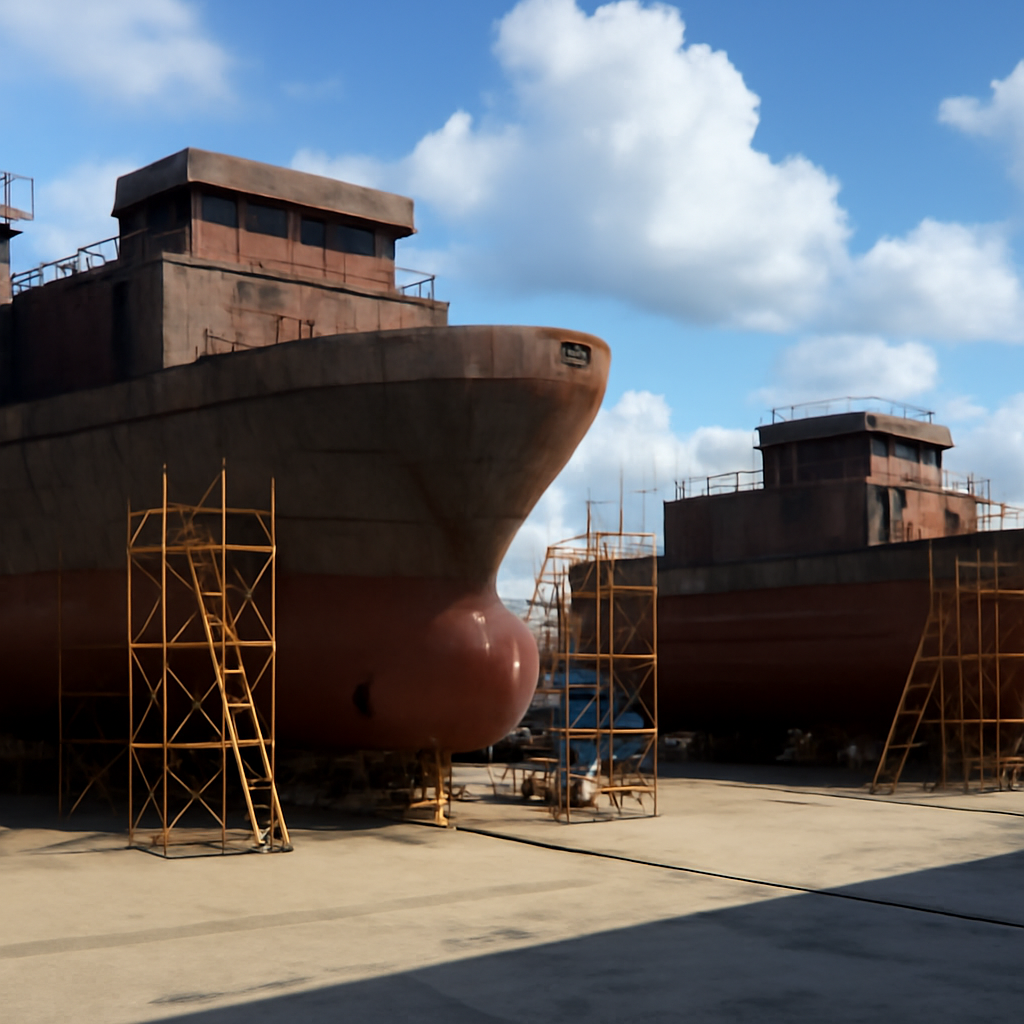
Strengthening the Depths: U.S. Navy Invests Nearly $1 Billion in Submarine Capabilities
The U.S. Navy has taken a significant step towards modernizing its undersea warfare capabilities, recently awarding General Dynamics Electric Boat a contract modification worth $986.7 million. This strategic investment aims to accelerate the development of Columbia-class ballistic missile submarines and enhance the submarine industrial base—a move that underscores the increasing emphasis on maintaining maritime superiority in an evolving global security landscape.
The Columbia-class submarines are designed to replace the aging Ohio-class fleet, serving as a cornerstone of America’s nuclear deterrent strategy. The new contract, revealed in a Department of Defense release, is focused on continued component development and lead yard services for this vital fleet. Such investments not only support technological advancements but also seek to ensure that the United States maintains a robust and capable undersea force amid rising geopolitical tensions.
Historically, submarine capabilities have been central to U.S. naval strategy since World War I, evolving significantly through the Cold War into an era characterized by high-tech warfare. The Columbia-class project represents a shift towards more advanced stealth capabilities, automated systems, and extended operational ranges—features deemed crucial as potential adversaries like China and Russia continue to expand their own naval capabilities.
Currently, the urgency for modernization is palpable within defense circles. The Columbia-class submarines will carry Trident II (D5) missiles, providing assured retaliation against any nuclear threats while operating undetected beneath the ocean’s surface. Additionally, this latest allocation aims to bolster not only weaponry but also overall support for Virginia-class submarines, which have been instrumental in U.S. naval operations for years now.
This investment matters immensely—not just for the Navy’s strategic posture but also for national security at large. As tension escalates in regions such as the Indo-Pacific and Eastern Europe, having a reliable and advanced submarine fleet ensures that U.S. interests can be protected globally while deterring aggression from rival powers.
Experts note that this nearly billion-dollar infusion is not merely about enhancing firepower; it’s also indicative of broader defense priorities aimed at ensuring resilience within domestic supply chains critical to national security efforts. Analysts suggest that fostering innovation within the submarine industrial base can mitigate risks associated with over-reliance on foreign suppliers, particularly as issues like cyber threats and material shortages come to bear.
- The role of technology: The evolution of sensor technology and artificial intelligence will likely play a pivotal role in future underwater combat scenarios.
- The geopolitical landscape: Understanding adversarial submarine capabilities—particularly from China—will inform U.S. strategies moving forward.
- The health of the industrial base: Continued support from Congress and other stakeholders is essential to sustain growth in this critical area.
Looking ahead, stakeholders should closely monitor congressional appropriations and budget allocations for further insights into how these developments may influence broader defense policies. It remains essential for policymakers to balance investments in cutting-edge technologies with those needed for workforce development within the shipbuilding sector—critical if the U.S. aims to secure its maritime dominance against sophisticated adversaries.
The stakes are high; as the Pentagon continues to refine its focus on great power competition, one has to ask: what would it mean for American security if our submarine capabilities fell behind? With geopolitical tensions rising daily, ensuring that undersea forces are prepared isn’t just about technological superiority—it’s about safeguarding lives and maintaining peace through strength. In these turbulent waters of international relations, every investment counts toward preserving an enduring maritime legacy.