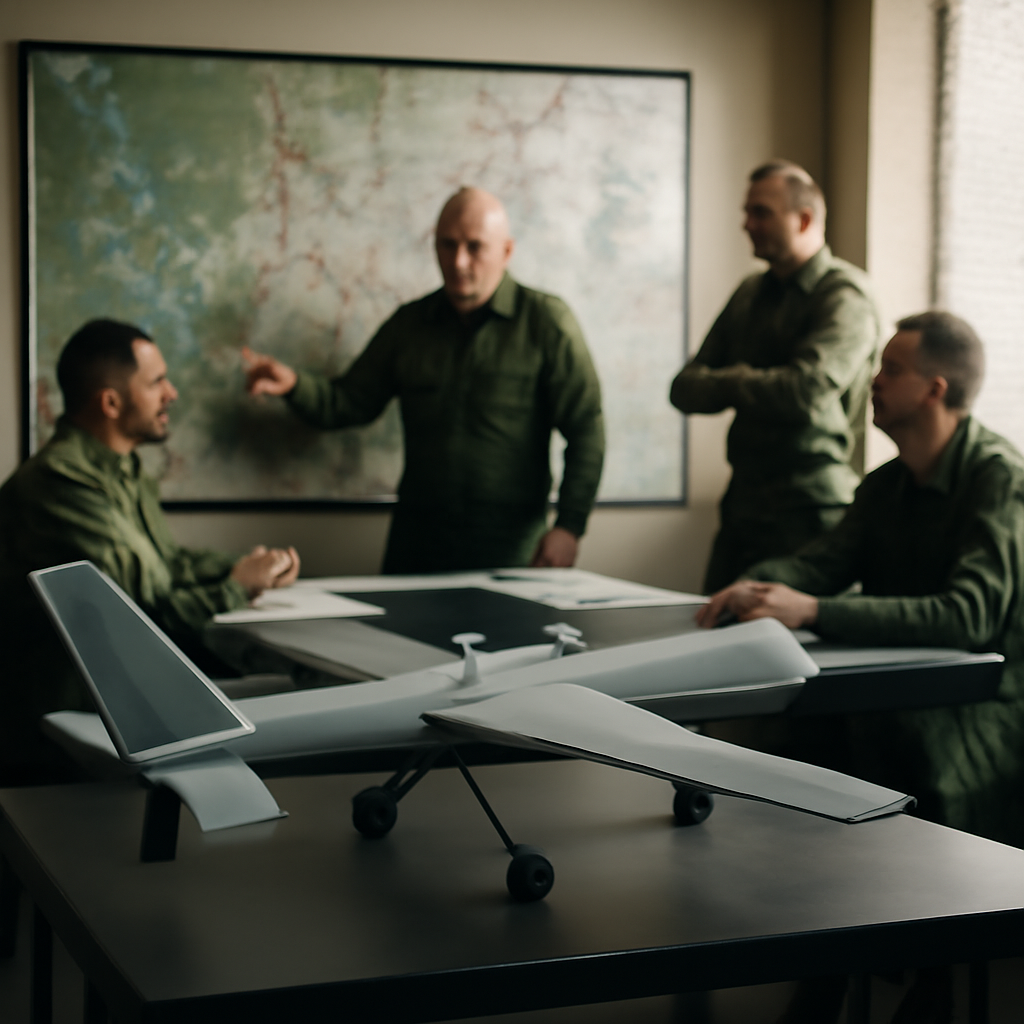
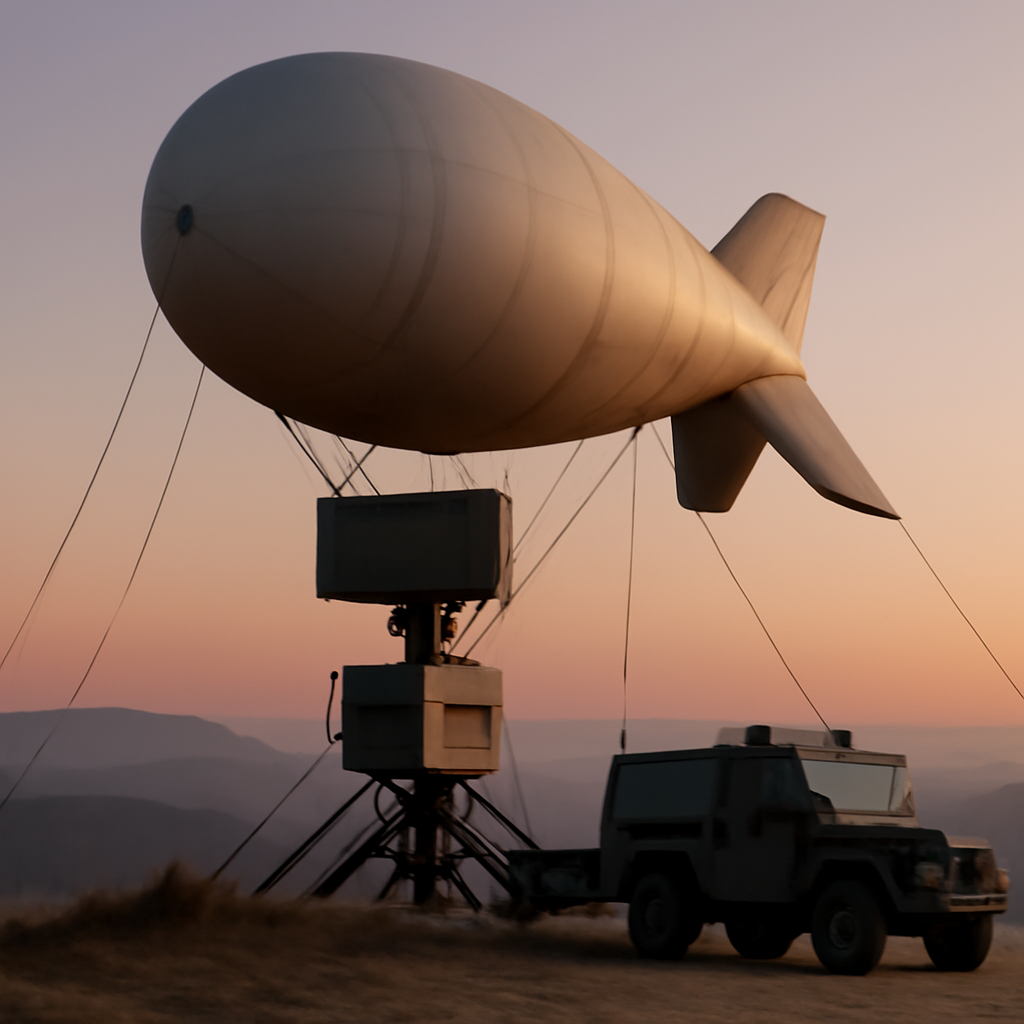
“Aurora Pulse was designed for senior leaders. It allows us to get together and really discuss at that strategic level how we would operate in this particular environment, and then how do we need to adapt our tactics, techniques and procedures,” Maj. Gen. AnnMarie Anthony, director of the Joint Electromagnetic Spectrum Operations Center (JEC), told Breaking Defense.
The tabletop: who gathered and what they did
In March, the JEC—through its newly created tabletop exercise Aurora Pulse—brought together senior leaders from across the U.S. defense and intelligence enterprise to work through electromagnetic spectrum operations in a demanding environment. Participants included representatives from the Coast Guard, the Joint Staff, members of the Intelligence Community, U.S. Northern Command, U.S. Cyber Command, U.S. Indo‑Pacific Command and U.S. Strategic Command. The exercise was the first time the JEC hosted a tabletop specifically designed for senior leaders, including J3s and J5s of the combatant commands, who the JEC described as the officers “in charge of operations and plans.”
Why the electromagnetic spectrum was the focus
The JEC framed Aurora Pulse around a simple operational premise: the electromagnetic spectrum is no longer a permissive domain. The center’s director told Breaking Defense that electromagnetic spectrum operations “are a critical warfighting maneuver space” and that adversaries are actively contesting it. The exercise organizers said spectrum operations had often been overlooked because U.S. forces faced a technologically inferior adversary “for the last 20 years,” but that “more sophisticated nation state actors understand how reliant the US military is on the spectrum” and are seeking to deny it.

Audit-ready is a season. It shouldn't be.
Evidence in spreadsheets, controls drifting between audits, frameworks multiplying on flat headcount. Nubivance runs continuous compliance on Rapid7 Cyber GRC - SOC 2, HIPAA, ISO 27001, PCI, CMMC.
End the scrambleWhy the Arctic scenario mattered
The tabletop used an Arctic scenario to raise both environmental and operational complexity. According to Maj. Gen. Anthony, the spectrum “operates differently” in the Arctic and the region “provides the most demanding conditions to evaluate.” Over three days, participants walked through complex scenarios that simulated operations in a degraded and congested electromagnetic spectrum environment, testing how potential adversaries could deny access and how environmental factors could disrupt systems. The gameplay structure let leaders propose approaches tied to specified objectives and then assess whether those approaches succeeded under simulated stress.
What leaders learned and where gaps were found
Throughout the exercise, Aurora Pulse generated concrete observations about coordination, tactics and management. Maj. Gen. Anthony said the event “allowed us to really explore our tactics, techniques and procedures, operating through the electromagnetic spectrum, and see where we need to do any changes or tweaks to our TTPs today.” She identified areas needing improvement in communications, coordination and spectrum management—insights the JEC framed as helping leaders adapt tactics and technologies “in order to maintain freedom of action.”
How combatant commands, the Intelligence Community, and the Coast Guard are implicated
- Combatant commands (J3s and J5s): The exercise put operations and planning leadership in the room to evaluate strategic-level tradeoffs and to test whether existing plans and TTPs hold up when the spectrum is contested; commanders will need to translate any TTP changes identified at Aurora Pulse into operational plans and force-level training.
- Intelligence Community: Participating intelligence elements were included to help model how adversary actions could deny spectrum access and to inform assessments that shape commanders’ understanding of threat capabilities in degraded-spectrum scenarios.
- Coast Guard: As a participant, the Coast Guard joined the joint dialogue on spectrum resilience and will be part of cross‑service coordination efforts around communications, coordination and spectrum management highlighted by the exercise.
Maj. Gen. Anthony said the JEC plans to run another senior-level tabletop, though no date has been set. She added that a future event will seek to bring “more quantitative feedback and modeling and simulation to participants” to increase fidelity in how leaders understand electromagnetic-spectrum operations.
The key, in the JEC’s framing, is simple and strategic: treat the electromagnetic spectrum as a contested maneuver space and test plans and TTPs where the stress is highest. Aurora Pulse did that in an Arctic construct, exposed shortfalls in communications and spectrum management at the leadership level, and signaled an intent to refine exercises with richer modeling and quantitative feedback—an explicit next step, even if the calendar for it is not yet written.