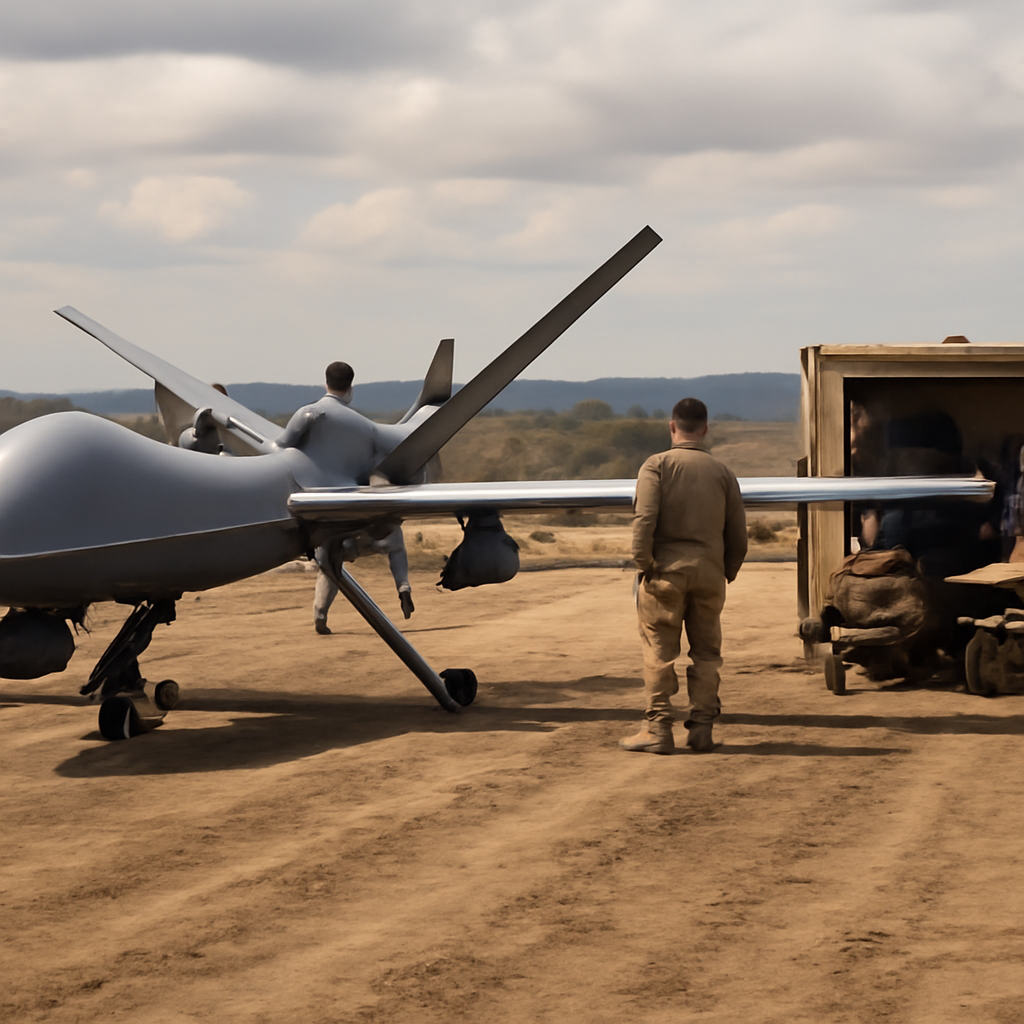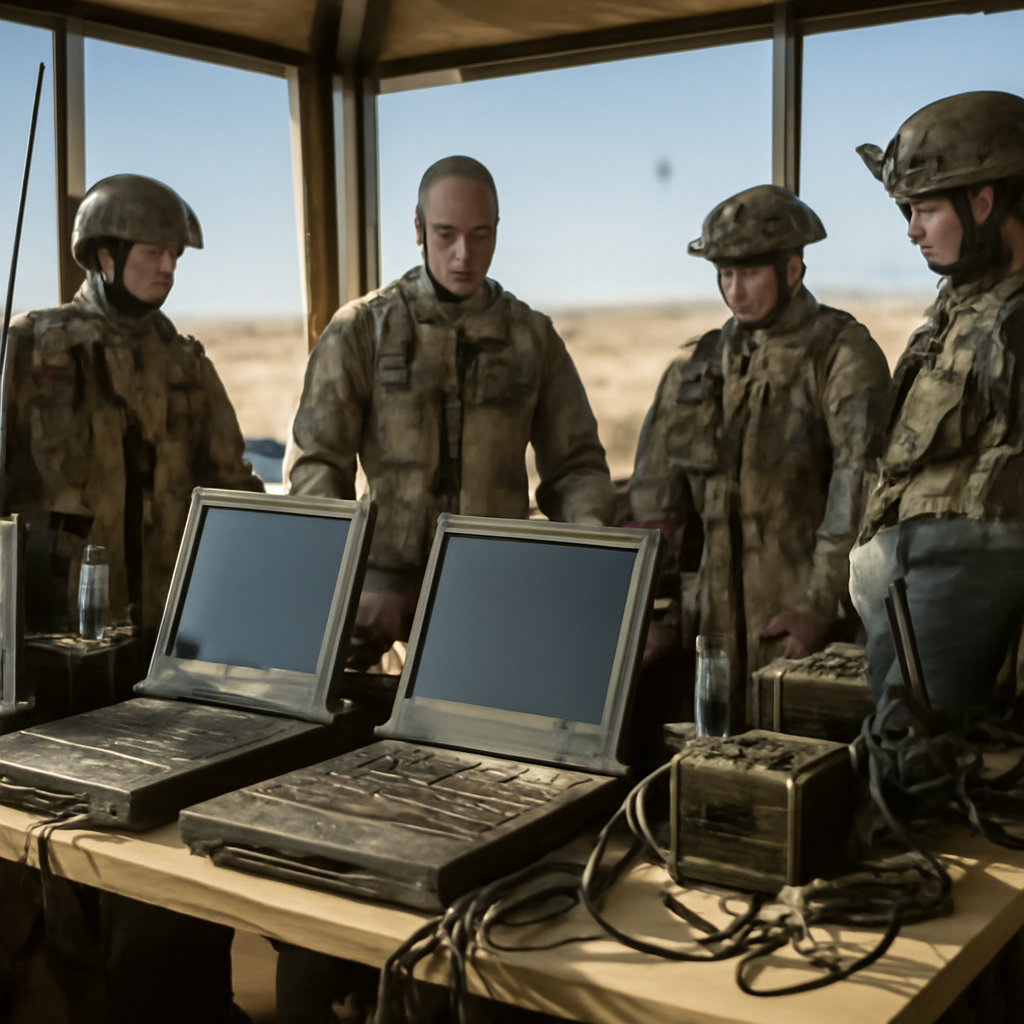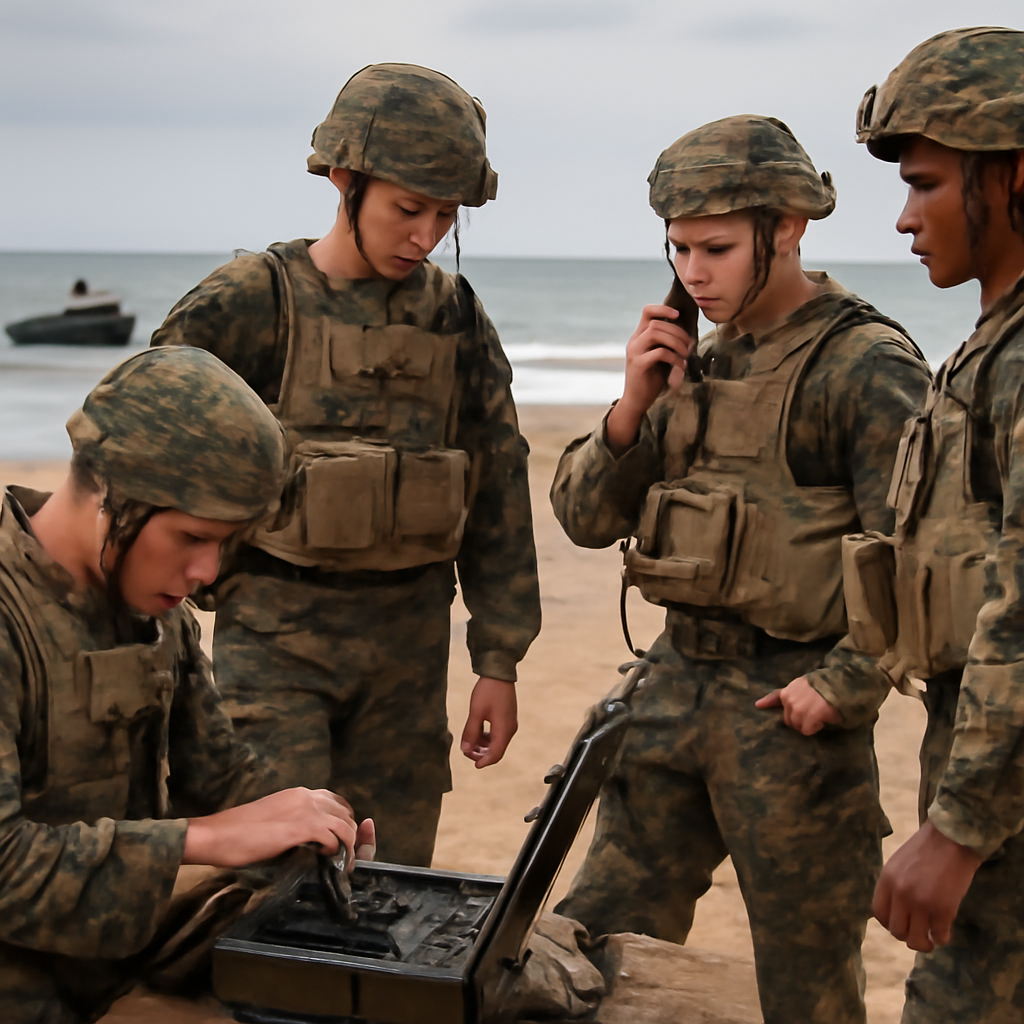
"3rd MLR basically did exactly what it was designed to do," Col. Gabe Diana told Defense One, a terse assessment that framed Exercise Balikatan in May as a practical test rather than a public relations victory.
Col. Gabe Diana’s assessment: capability demonstrated, not a finale
Col. Gabe Diana, commander of the Hawaii-based 3rd Marine Littoral Regiment, described Balikatan as “a real strategic victory” that showed the unit’s maturation from concept to operational capability. He stressed the exercise should be read as “a demonstration of capability… a data point that says, ‘yes, we can do these things,’” not as a moment to “spike the football.” Diana emphasized continued work and growth, closing with the modest assessment: “This is a journey, not a destination.” He made the remarks while preparing for exercise Kamandag, speaking to Defense One by phone from the Philippines.
What the 3rd MLR did during Balikatan
During Balikatan, the 3rd MLR served multiple mission‑command roles. It was mission commander for the joint task force maritime strike, a combined grouping that Diana said included U.S. Army, Navy, Air Force, and Marine Corps capabilities alongside troops from the Philippines, Japan, and Canada. The regiment also led maritime key terrain security operations in the northern part of the Philippines and acted as mission commander for integrated air missile defense during the exercise.

Audit-ready is a season. It shouldn't be.
Evidence in spreadsheets, controls drifting between audits, frameworks multiplying on flat headcount. Nubivance runs continuous compliance on Rapid7 Cyber GRC - SOC 2, HIPAA, ISO 27001, PCI, CMMC.
End the scrambleIntegration across services and partners: "any sensor, any shooter"
Diana described the regiment’s central achievement as synchronizing sensors, intelligence, aviation, maneuver formations, and long‑range precision fires “from across the combined joint force.” He framed this operational integration as an example of the commandant’s guidance on “any sensor, any shooter,” saying Balikatan allowed the unit to operationalize that approach. The combined nature of the task force — drawing on multiple U.S. services and three partner nations — was presented as an explicit validation of the 3rd MLR’s role as a forward integrator of joint and allied combat power.
Force design and program context: how the MLR fits
The 3rd MLR is the first of its kind and was activated in 2022. It is Hawaii‑based and specialized for operations in the shallow waters near the shore; the units were designed for operations in the Indo‑Pacific. In 2023, the Corps transitioned a unit in Okinawa into the 12th Marine Littoral Regiment, and last year it scrapped plans for an additional MLR. Diana framed the 3rd MLR’s Balikatan performance as validation that a forward distributed stand‑in force can integrate joint and combined combat power inside a “strategically significant maritime area.”
Logistics and the reality of rapid closure from Hawaii to the Philippines
Moving the regiment from Hawaii to the Philippines under exercise conditions proved instructive. Diana said the deployment produced “challenges” that “replicated some of the fog and friction that you would see if you had to close the force in crisis.” He called the exercise “an excellent rep” for having to close in a very short amount of time, integrate into a larger combined joint architecture, and “then get right into the fight.” Those logistical and command‑and‑control frictions were presented as intentional, useful stressors on the nascent capability.
What this means for the joint force, the Philippines, and allied partners
- For the joint force: The exercise offered a proof point that a Marine Littoral Regiment can serve as a mission commander integrating Army, Navy, Air Force, and Marine capabilities in a maritime littoral fight, validating efforts to synchronize sensors, fires, and maneuver across services.
- For the Philippines: The 3rd MLR led security operations in the northern Philippines during Balikatan, showing a role for the regiment in securing maritime key terrain in Philippine waters during combined operations.
- For allied partners (Japan and Canada): Participating troops were included in the joint task force maritime strike, indicating partner integration during mission command handoffs and combined precision‑fires synchronization.
Col. Diana’s repeated emphasis on learning — that Balikatan supplied data points rather than a final test — frames the regiment’s next steps. The 3rd MLR has moved from concept to demonstrable capability, but Diana’s closing note that “there’s a lot more growth to happen” makes clear the unit will continue to refine logistics, command integration, and the operational techniques required to sustain its role as a forward, distributed stand‑in force.