"By investing national resources to establish this critical sustainment capability on NATO’s Eastern Front, Allies are sending a clear message: the Alliance is united, serious about deterrence, and ready to back our words with action,” Michael Duffey, the undersecretary of defense for acquisition and sustainment, said today in a Pentagon release.
Poland to host a regional PAC-3 sustainment hub
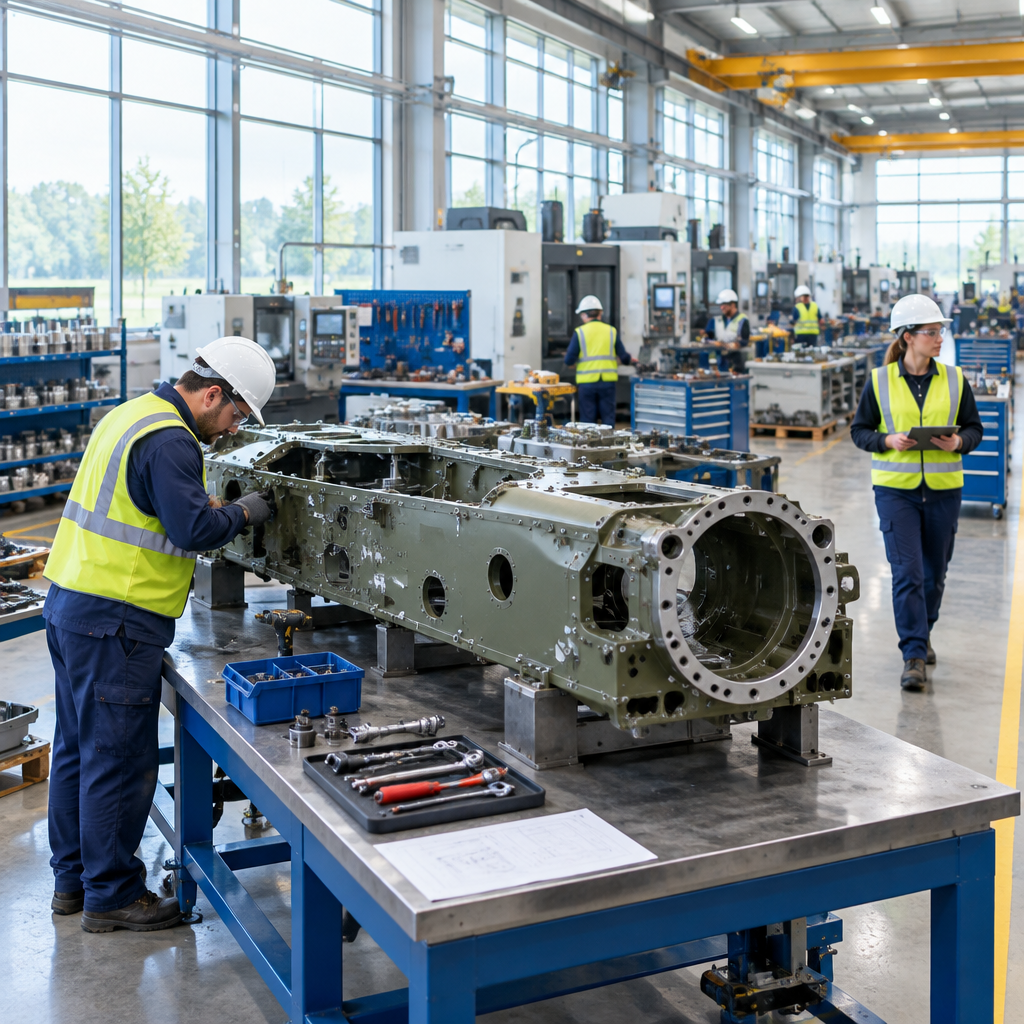
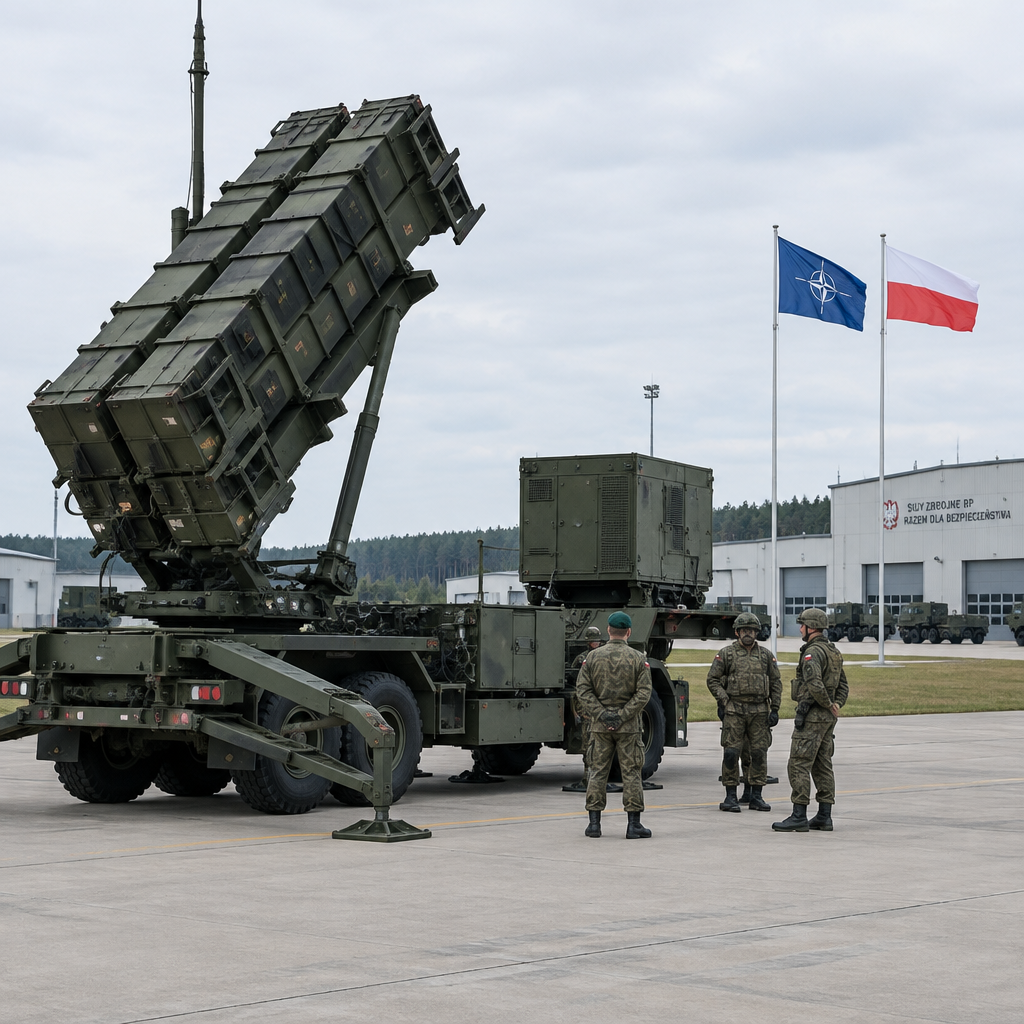
The Defense Department announced today that Poland will be the home of a new Patriot Advanced Capability 3 (PAC-3) missile maintenance facility. The announcement was made during NATO’s Conference of National Armaments Directors and follows a July social media post from Poland’s Defense Minister Władysław Kosiniak-Kamysz indicating Poland would be part of an agreement to bring a PAC-3 servicing facility to Europe; at that time, the minister’s post said the site location was still unclear.
Maintenance, repair and overhaul for Lockheed Martin’s PAC-3 missiles
The Pentagon said the facility will provide maintenance, repair and overhaul capabilities specifically for Lockheed Martin’s PAC-3 missiles. Officials described those capabilities as able to “dramatically shorten turnaround times and further secure critical supply lines,” language that frames the hub primarily as a sustainment — not production — center.

This site is the portfolio.
OSINTSights runs on Cloudflare Workers, D1, R2, and Vectorize, with an AI pipeline on Hetzner ARM. Nubivance designed, built, and operates it. We do the same for clients.
See what we buildAllied supply-chain integration: Germany, the Netherlands and Sweden
The announcement named Germany, the Netherlands and Sweden as partners who will provide support to the new facility through “critical supply chain” integration. That described role suggests the project will draw on parts, logistics and procedural links across multiple NATO governments and industry contributors to speed missile readiness and movement.
How the hub fits with production decisions and other European plants
The Pentagon release emphasized that the Poland facility will not be responsible for manufacturing PAC-3 missiles. It comes amid separate Pentagon remarks that officials are looking for options to license production of Patriot interceptors to Ukraine amid its ongoing war with Russia. The new sustainment hub also follows a 2024 effort in southern Germany: construction began then on a facility intended to produce over 1,000 PAC-2 interceptors for NATO allies, a plant established by Germany, the Netherlands and Spain in a deal worth nearly $6 billion.
What this means for NATO Allies, Lockheed Martin, and Poland’s defense ministry
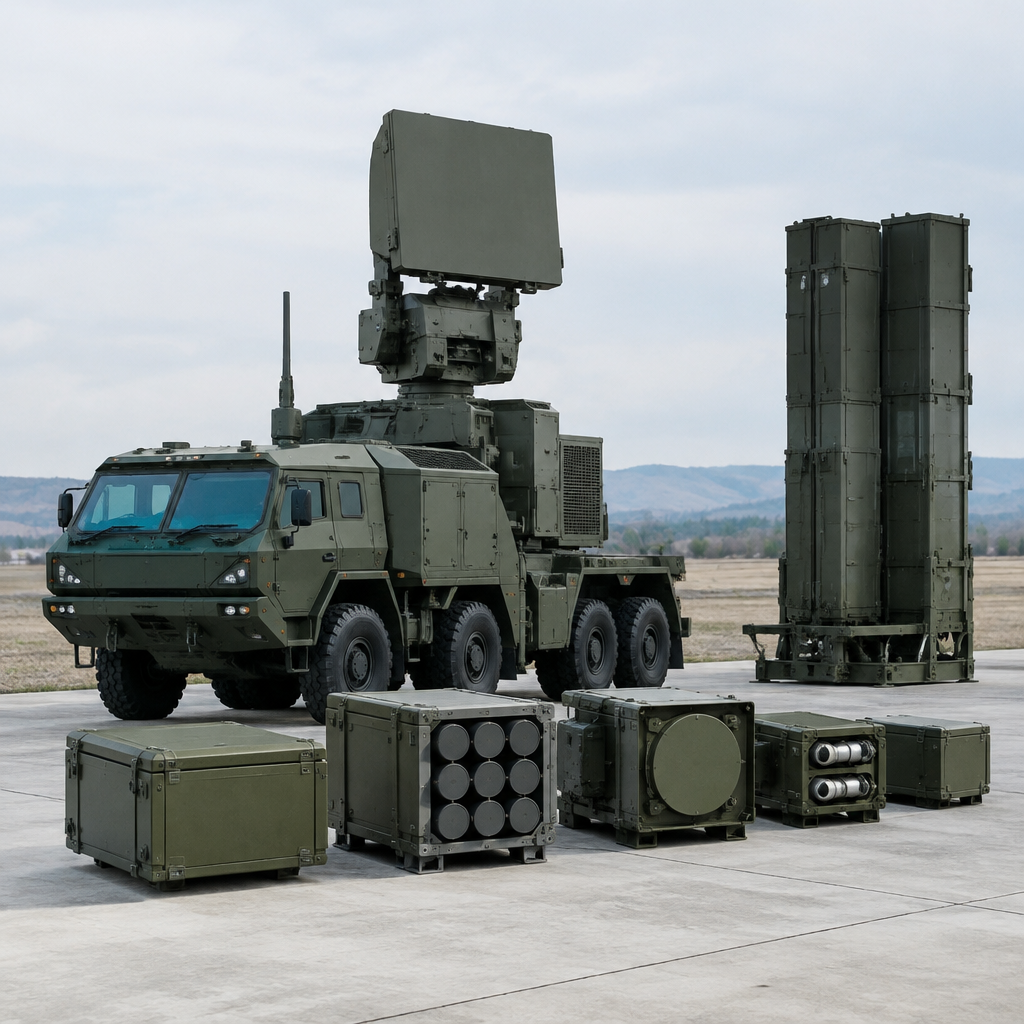
- NATO Allies: The Pentagon framed the hub as a “regional hub” that will “significantly enhance operational readiness across Allied air and missile defense forces, ensuring rapid surge capacity during crisis and reinforcing credible collective deterrence along NATO’s Eastern Front.” Allies can expect shorter missile turnaround and an integrated supply chain to support surge operations, according to the announcement.
- Lockheed Martin: The company’s PAC-3 interceptors are the stated focus of the sustainment work; the facility’s work on maintenance, repair and overhaul will directly support the readiness of those missiles without changing where or how they are manufactured, per the Pentagon’s language.
- Poland’s defense ministry: Hosting a regional sustainment hub fulfills the role Poland signaled earlier this year and places national infrastructure on NATO’s eastern flank to handle sustainment tasks that the Pentagon says translate industrial capacity into immediate combat power.
The Department of Defense framed the decision as a practical move to convert allied investment and American defense technology into faster operational readiness: “Fusing Allied investment with world-class American defense technology directly translates transatlantic industrial capacity into combat power — keeping launchers loaded, sustaining critical operations, and ensuring NATO Allies are prepared to fight tonight,” the Pentagon wrote in its announcement.
The choice of Poland as the sustainment location and the explicit naming of European supply-chain partners closes a chapter that began with a July ministerial post and extends an existing pattern of NATO members locating different pieces of Patriot sustainment and production across allied territory. The announcement leaves clear lines of responsibility — sustainment in Poland, production elsewhere — while reasserting the Alliance’s stated intent to shorten missile turnaround times and to bolster surge capacity along NATO’s Eastern Front.