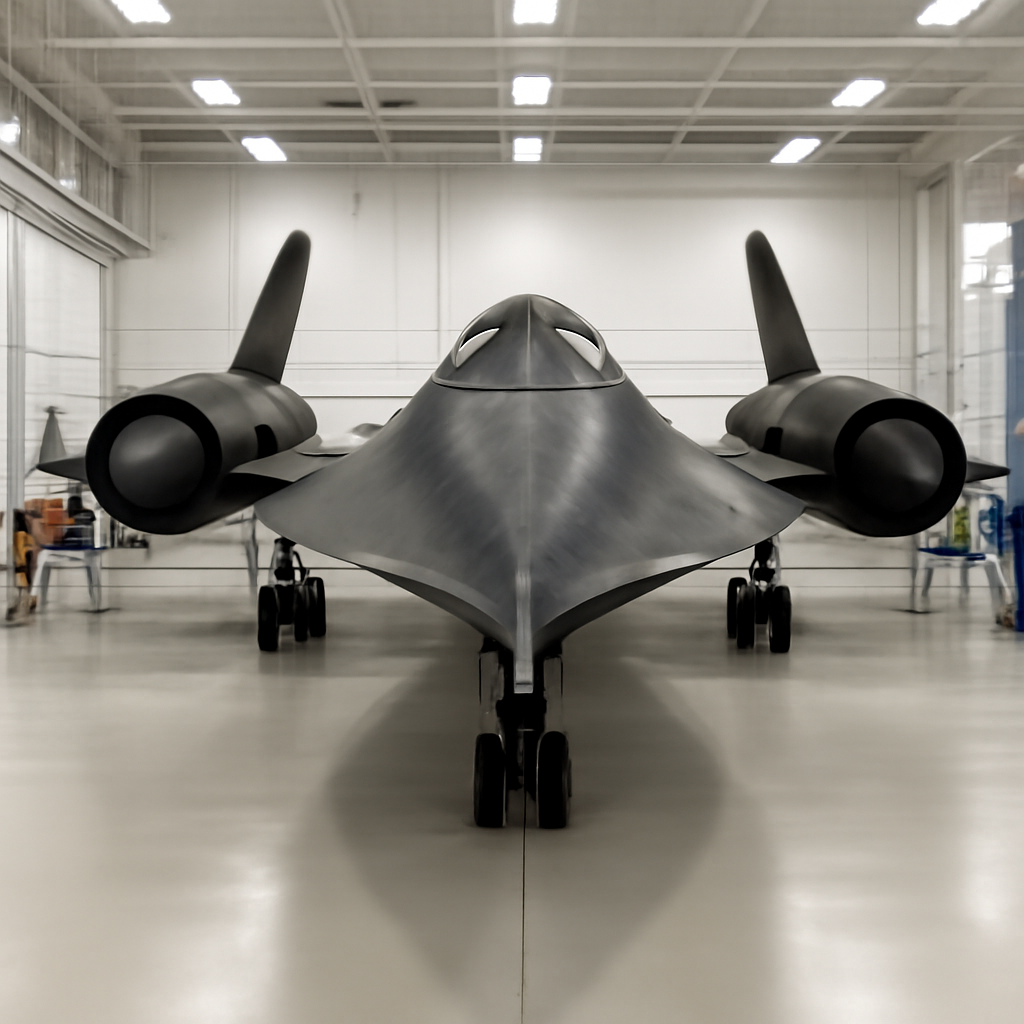
An initial batch of 80 F110 turbofan engines is reportedly required to power Turkey’s TF Kaan next‑generation fighter — and Washington looks set to approve their sale, even as some U.S. lawmakers push back, sources tell Reuters.
F110 turbofans: scale, cost, and export controls
The engines at the center of this decision are General Electric F110 turbofans. They are already used widely in the Turkish Air Force’s F‑16 fleet and in U.S. F‑15 variants, including the F‑15E Strike Eagle and the F‑15EX Eagle II. An F110 carries a typical flyaway unit cost of $10–$15 million. In Turkey, the engines are assembled under license by TUSAS Engine Industries (TEI), but those assemblies remain governed by U.S. export restrictions. Reuters cited four sources saying the Trump administration plans to proceed with a sale worth more than $700 million that would supply the engines — a move that would require formal notification from the State Department to Congress and could be finalized in the coming days.
TF Kaan program: ambitions, production plans, and dependence on U.S. supply
The TF Kaan is Turkey’s domestically developed twin‑engine fighter program, launched in 2010. The first prototype flew in early 2024. Reportedly, Ankara plans three pre‑production prototypes followed by 250 series‑production aircraft incorporating refinements; a contract for 20 Block 10 examples was signed last month. The Kaan was designed with a reduced radar signature and modern avionics, but the source describes it as not offering the same level of low observability as the F‑35 and as lagging the U.S. jet in sensor fusion and electronic warfare capabilities.
Critically, the Kaan depends on U.S.‑supplied F110 engines. Reports say an initial batch of 80 engines is needed to sustain the program’s early production. Turkish officials have expressed a longer‑term ambition to switch to a domestic TEI engine, the TF35000, but the source says it is unclear how realistic that switch is in the near term. Turkey has also explored alternatives from other suppliers, including Russia and Rolls‑Royce, according to the reporting. The Kaan is already positioned as an export candidate; the source reports Indonesia signed a contract for 48 Kaan fighters last June.

Audit-ready is a season. It shouldn't be.
Evidence in spreadsheets, controls drifting between audits, frameworks multiplying on flat headcount. Nubivance runs continuous compliance on Rapid7 Cyber GRC - SOC 2, HIPAA, ISO 27001, PCI, CMMC.
End the scrambleU.S. decision dynamics: White House signals, congressional resistance, and legal constraints
According to the reporting, President Donald Trump’s administration plans to approve the F110 sale despite opposition from some members of Congress. Ahead of a July trip to a NATO summit in Turkey, President Trump was asked if he would bring “a big gift bag” of F110 engines and potentially F‑35 jets; Trump replied, in part, “He’s a member of NATO… He really is a strong member of NATO. Yeah, I’m going to probably do something that’s going to make him very happy.”
Vice President JD Vance said a review was underway to determine whether Turkey could receive F‑35s, adding: “Pete and the entire team are reviewing this right now, because there are certain things that we have to certify have happened … in order to comply with American law,” referring to Secretary of Defense Pete Hegseth. Reuters cited four sources saying the engine deal should be finalized shortly and followed by a formal State Department notification to Congress. Representative Gregory Meeks of New York, the leading Democrat on the House Foreign Affairs Committee, has reportedly stood in the way of the engine sale during an informal review process; the Wall Street Journal reported the Trump administration is expected to override Meeks’ effort.
The source emphasizes an important legal constraint: U.S. law does not permit Turkey to operate or possess the Russian S‑400 air defense system if it seeks to rejoin the F‑35 program. Turkey was removed from the F‑35 program in 2019 after it refused to abandon its purchase of the S‑400; that event remains a binding legal and political hurdle for any return to the F‑35 family.
Victoria Nuland’s offer and the F‑35 reentry question
The source recalls that in early 2024 Acting Deputy Secretary of State Victoria Nuland suggested the United States might be willing to offer Patriot air defense systems if Turkey gave up its S‑400s, and that resolving the S‑400 issue would allow the United States to “welcome Turkey back into the F‑35 family.” The apparent move to clear the F110 sale is described in the source as a further softening of Washington’s posture and a potential stepping‑stone toward Ankara’s eventual readmission to the F‑35 program — though U.S. legal constraints tied to the S‑400 remain a central barrier.
What this means for the Turkish Air Force, U.S. lawmakers, and TEI
- Turkish Air Force: The reported engine sale would provide a near‑term boost to the Kaan program and Turkey’s broader fighter force, supporting the TF Kaan’s path toward the reported service entry target around 2030, though the source says that timeline remains questionable.
- U.S. lawmakers: Congressional review and individual objections — most notably Representative Gregory Meeks’ reported hold — will be the immediate procedural arena where the sale is contested. The administration, per reporting, can override such objections.
- TUSAS Engine Industries (TEI) and Turkish industry: TEI assembles the F110 under license, and the deal would sustain a flagship domestic aerospace program whose export potential is constrained by U.S. engine controls. The uncertainty over the domestic TF35000 engine underlines continued near‑term reliance on U.S supply.
The reported decision to move ahead on the F110 sale, and the formal notification that may follow, will be a tangible test of how U.S. defense-export rules and political calculations intersect with Turkey’s drive for an indigenous fighter. Final resolution will hinge on that notification, potential congressional action or override, and whether the broader S‑400 legal impediment is addressed — matters likely to follow closely as President Trump travels to the NATO summit in July.