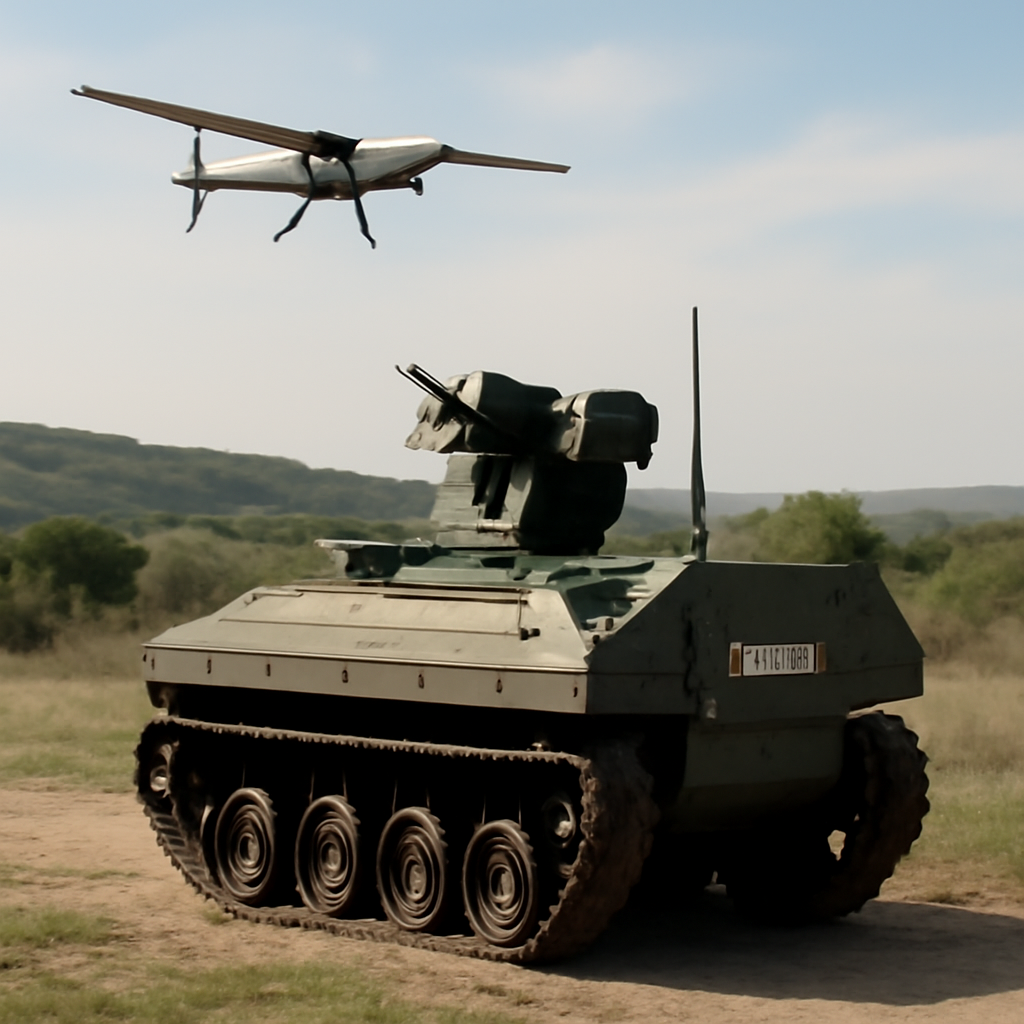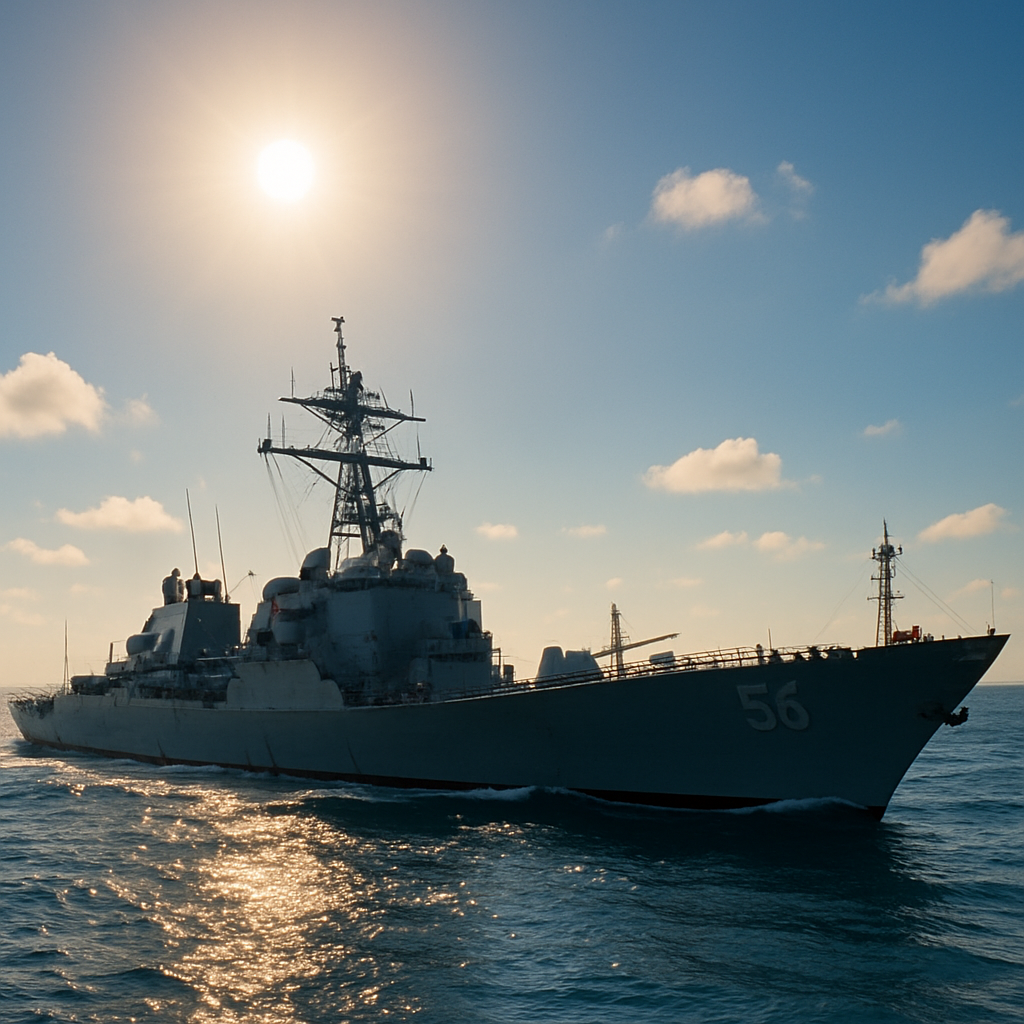
"As a direct gift from the United States to the world, we have established a powerful red, white and blue dome over the strait," Defense Secretary Pete Hegseth said during a Pentagon press briefing, framing the administration's new escort mission through the Strait of Hormuz as both protective and provisional.
Project Freedom: temporary U.S. escort operation
The Trump administration has named the effort to escort commercial ships through the Strait of Hormuz "Project Freedom," Hegseth said, describing it as "separate and distinct from Operation Epic Fury," "defensive in nature," and "temporary." Hegseth said the escorts began on Monday; two ships had transited the strait under escort since the program started, he added.
Operation Epic Fury: paused war and the War Powers Resolution
Defense officials described a distinction between Project Freedom and the broader campaign identified as Operation Epic Fury. Hegseth said Epic Fury, the war begun in February by the U.S. and Israel against Iran, is on pause during the ongoing ceasefire. In the briefing he asserted that the "clock stops" on the 60‑day limit imposed by the War Powers Resolution on U.S. military campaigns without congressional approval — a claim the report characterizes as erroneous.

Audit-ready is a season. It shouldn't be.
Evidence in spreadsheets, controls drifting between audits, frameworks multiplying on flat headcount. Nubivance runs continuous compliance on Rapid7 Cyber GRC - SOC 2, HIPAA, ISO 27001, PCI, CMMC.
End the scrambleGen. Dan Caine on ship backlog and recent attacks
Gen. Dan Caine, chairman of the Joint Chiefs of Staff, told reporters there remain more than 1,550 commercial ships trapped in the Arabian Gulf. He also described a spike in violence the previous day: "On Monday, Iran attacked U.S. forces with cruise missiles, drones, and small boats, which were countered by U.S. Navy and Army attack helicopters," Caine said. He added, "Thus far, today is quieter."
Hegseth, the president, and international expectations
Both Hegseth and President Donald Trump have repeatedly argued that the international community depends on the Strait of Hormuz more than the United States does, and that other nations should take on responsibility. Hegseth told reporters, "We're stabilizing the situation so commerce can flow again, but we expect the world to step up at the appropriate time, and soon we will hand responsibility back to you." He did not provide a timeline for that handoff. Asked whether Iran's attacks on U.S. ships in the strait would constitute a ceasefire violation and trigger renewed strikes inside Iran, Hegseth deferred to the president, saying, "Ultimately, the president is going to make a decision whether anything were to escalate into a violation of a ceasefire."
What this means for global commercial shippers, the U.S. military, and Congress
- Global commercial shippers: More than 1,550 vessels remain trapped in the Arabian Gulf, per Gen. Dan Caine — a backlog that Project Freedom has begun to chip away at, but only modestly so: two ships have transited since the escort program launched on Monday. Shippers will be watching for how long U.S. escorts continue and whether international partners take on the burden Hegseth said the administration expects them to assume.
- The U.S. military: Officials framed Project Freedom as defensive and temporary, and described active defensive responses to Iranian attacks involving cruise missiles, drones, and small boats. The military posture includes an ongoing naval and aviation presence in the strait to protect transits while the escort mission continues.
- Congress and legal oversight: The administration submitted written notice to Congress that hostilities have "terminated" as the 60‑day War Powers deadline passed. The briefing noted that "it's unclear under what legal authority the president would resume strikes against Iran," and that the administration has offered several rationales for the war, "some of which were contradicted by available evidence." Those statements frame renewed legal and political scrutiny should strikes resume.
The picture the Pentagon presented is straightforward but unsettled: a limited, named escort mission that has already moved a small number of vessels; a paused but not abolished kinetic campaign called Operation Epic Fury; and a diplomatic ask that other nations "step up" to relieve a U.S. role the secretary calls temporary. At the same time, the record includes active counterattacks against Iranian strikes and dovetails with a written notice to Congress that hostilities have "terminated" even as officials leave open the possibility of renewed action. Whether the "red, white and blue dome" will be a brief sheltering measure or the prelude to broader commitments will turn on decisions the president makes, the responses of other nations, and how the military environment in and around the strait evolves.
Source: Defense One — US escort of ships through Hormuz is a ‘gift to the world,’ Hegseth says