The U.S. State Department approved Foreign Military Sales on Friday valued at $1.57 billion for New Zealand and $106 million for South Korea, moves that would supply helicopters, torpedoes, precision-guided weapons and JDAM conversion kits to allied forces.
Five MH‑60R Seahawk helicopters and related systems proposed for New Zealand
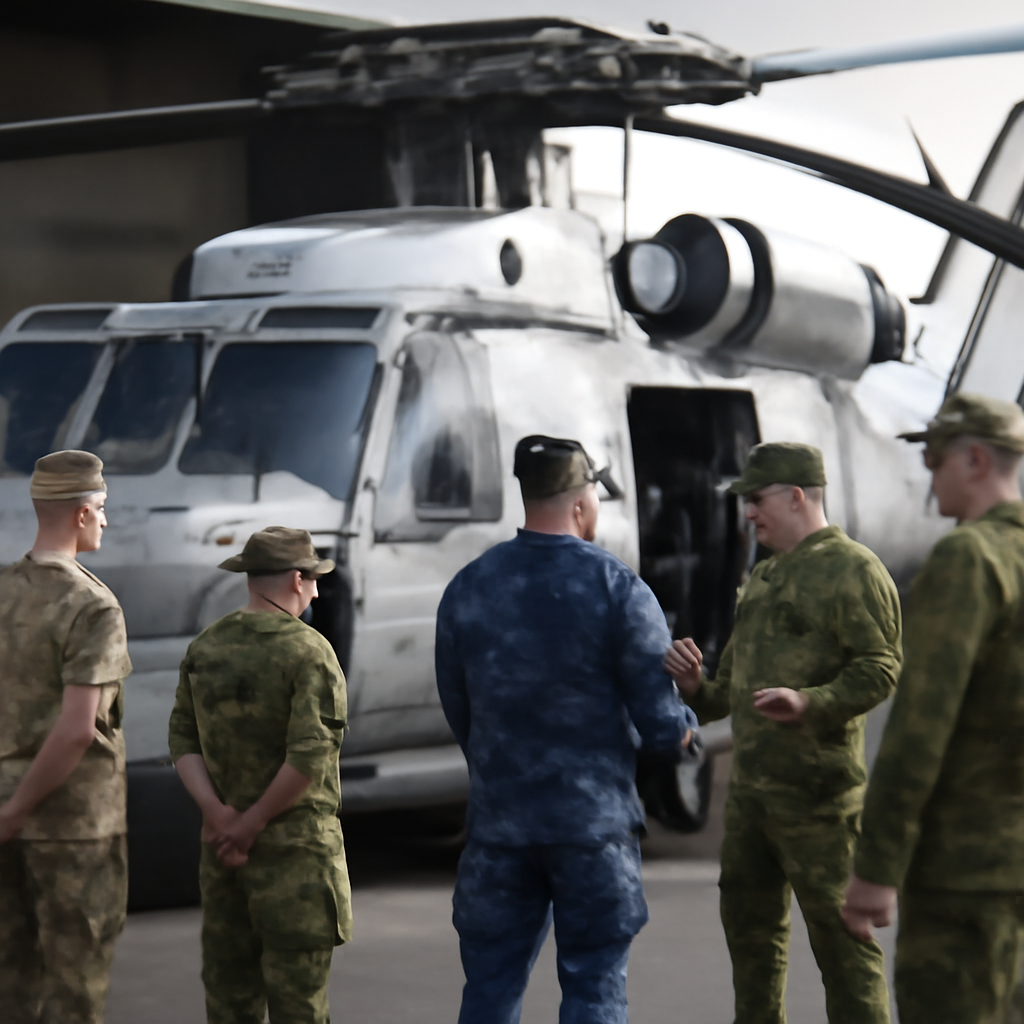
In the largest of the announcements, a first sale valued at $1.5 billion would make five Lockheed Martin MH‑60R Seahawk helicopters available to New Zealand. The package as announced includes airborne low‑frequency sonars and Link 16 Multifunctional Information Distribution Systems Joint Tactical Radio Systems (MIDS‑JTRS), systems that accompany the helicopters in the proposal.
The announcement notes that New Zealand previously selected the MH‑60R in August to replace eight Kaman SH‑2G Super Seasprite helicopters that were acquired from neighboring Australia in 2013, and the State Department’s approval would move that procurement forward — though FMS announcements are not final sales.
Missiles and guided‑rocket munitions included in the New Zealand package
Alongside the MH‑60R airframes and sensors, the potential sale to New Zealand includes 225 missiles and guidance sections for the Advanced Precision Kill Weapon System (APKWS) guided rocket and 65 AGM‑114R Hellfire missiles. The announcements list those munitions as part of the overall $1.5 billion sale.

The cyber insurance questionnaire just landed. Now what?
SOC 2, HIPAA, insurance renewals - someone has to own security strategy. Nubivance provides fractional CISO leadership without the full-time salary.
Get a security leadMK 54 lightweight torpedoes and anti‑submarine reach
A separate, same‑day approval for New Zealand covers 20 MK 54 lightweight torpedoes and related equipment for $69 million. The State Department noted the MK 54 torpedoes can be carried by the MH‑60R helicopters proposed in the larger sale as well as by the P‑8A Poseidon anti‑submarine multi‑mission aircraft already operated by New Zealand.
708 KMU‑557 and 58 KMU‑572 JDAM kits approved for South Korea
For South Korea, the State Department approved a $106 million potential sale for 708 KMU‑557 JDAM tail kits and 58 KMU‑572 JDAM guidance sets. The KMU‑557 converts the BLU‑109 2,000‑lb air‑dropped penetrator bomb into a satellite‑guided precision weapon, while the KMU‑572 is the conversion kit for the 500‑lb MK‑82 bomb, according to the announcement.
The notice further states that South Korea operates several aircraft types capable of employing both JDAM variants named in the sale, including the F‑35A Lightning II, F‑15K Slam Eagle and F‑16C/D multirole fighters.
FMS approvals, congressional review, and contract fluidity
The State Department’s announcements represent approvals of potential Foreign Military Sales but do not constitute final contracts. The notice makes explicit that quantities and dollar totals often shift during negotiations, and that the announcement triggers an opportunity for lawmakers to block the deal within a 30‑day period — a step the announcement characterizes as rare.
What this means for New Zealand, South Korea, and U.S. lawmakers
- New Zealand: The combined helicopter, sensor and weapons proposals would consolidate anti‑submarine and maritime strike capability in aircraft and munitions that can operate together — the MH‑60R, MK 54 torpedoes, APKWS and Hellfire missiles — aligning with New Zealand’s earlier decision to replace the SH‑2G Super Seasprite fleet.
- South Korea: The JDAM tail kits and guidance sets would expand the number of satellite‑guided options available for the country’s existing combat aircraft types named in the notice — enabling BLU‑109 and MK‑82 bombs to be converted into precision‑guided weapons.
- U.S. lawmakers and the State Department: These approvals initiate the 30‑day congressional review window and leave room for negotiation on final quantities and pricing, meaning the transactions remain subject to change before any contracts are completed.
Taken together, the State Department’s approvals lay out a set of concentrated capability enhancements for two partners: submarine‑hunting helicopters and their sensory and weapons suite for New Zealand, and expanded precision‑guided explosive options for South Korea’s combat aircraft. Whether and how those proposals finalize will depend on the follow‑on negotiations and the short congressional review period that the announcements now invoke.