Urgent Call to Action in the US-China AI Competition: Insights from Pentagon’s Ex-Digital Chief
Overview
The race for artificial intelligence (AI) supremacy between the United States and China has reached a critical juncture, with profound implications for national security, economic stability, and global technological leadership. As nations increasingly recognize AI as a cornerstone of future military and economic power, the stakes have never been higher. The insights from Radha Plumb, the former Chief Digital Officer at the Pentagon, underscore the urgency of a cohesive strategy that integrates cloud providers, infrastructure builders, and federal agencies. This report aims to dissect the current landscape of the US-China AI competition, explore its implications, and propose actionable recommendations for stakeholders involved.
Background & Context
The origins of the US-China AI competition can be traced back to the early 2010s when both nations began to prioritize AI as a strategic asset. The Chinese government unveiled its “Next Generation Artificial Intelligence Development Plan” in 2017, aiming to become the world leader in AI by 2030. In contrast, the United States has historically relied on its robust private sector to drive innovation, but recent geopolitical tensions have prompted a reevaluation of this approach.
As AI technologies evolve, they are increasingly intertwined with national security. The Pentagon’s recognition of AI’s potential to enhance military capabilities has led to initiatives like the Joint Artificial Intelligence Center (JAIC), which aims to accelerate the adoption of AI across the Department of Defense. However, the fragmented nature of the US approach—characterized by a lack of coordination among various stakeholders—poses significant challenges in effectively competing with China’s centralized strategy.

The cyber insurance questionnaire just landed. Now what?
SOC 2, HIPAA, insurance renewals - someone has to own security strategy. Nubivance provides fractional CISO leadership without the full-time salary.
Get a security leadCurrent Landscape
As of 2023, the AI landscape is marked by rapid advancements and fierce competition. The following key developments illustrate the current state of play:
- Investment Surge: The US has seen a surge in AI investments, with venture capital funding reaching over $40 billion in 2022 alone. In contrast, China’s government-backed initiatives have funneled billions into AI research and development, creating a formidable state-supported ecosystem.
- Technological Advancements: Both nations are making strides in critical areas such as natural language processing, computer vision, and autonomous systems. For instance, OpenAI’s ChatGPT has set new benchmarks in conversational AI, while China’s Baidu has made significant progress in autonomous driving technologies.
- Regulatory Frameworks: The US is grappling with the need for regulatory frameworks that balance innovation with ethical considerations. Meanwhile, China’s regulatory environment is more centralized, allowing for rapid implementation of policies that can accelerate AI deployment.
These developments highlight a competitive landscape where both nations are not only racing to advance their technologies but also to establish global standards and norms for AI usage.
Strategic Implications
The implications of the US-China AI competition extend far beyond technological advancements. They encompass a range of strategic considerations:
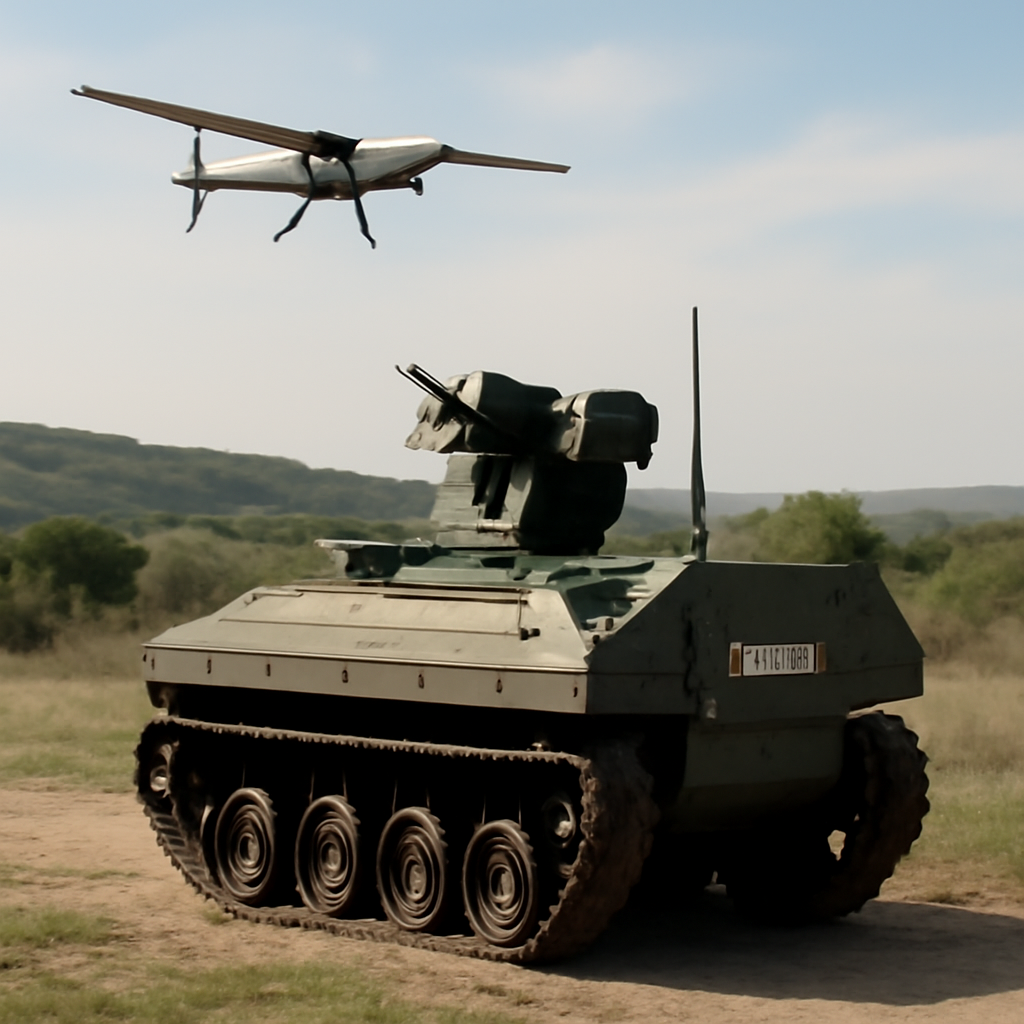
- National Security Risks: The integration of AI into military operations raises concerns about autonomous weapons and decision-making systems. The potential for AI-driven warfare necessitates a reevaluation of existing military doctrines and ethical frameworks.
- Economic Competitiveness: AI is poised to reshape industries, from healthcare to finance. Nations that lead in AI will likely dominate these sectors, influencing global economic dynamics and trade relationships.
- Geopolitical Tensions: The competition for AI supremacy is likely to exacerbate existing geopolitical tensions. As nations vie for technological dominance, the risk of conflict—both cyber and conventional—may increase.
These strategic implications underscore the need for a coordinated response from the United States to ensure it remains competitive in this critical domain.
Expert Analysis
In analyzing the current landscape, it is evident that the US must adopt a more integrated approach to AI development and deployment. Radha Plumb’s assertion that “all of these pieces need to work together in a coherent ecosystem” reflects a growing consensus among experts that collaboration among government, industry, and academia is essential for success.
Furthermore, the US must prioritize investment in foundational technologies and infrastructure that support AI innovation. This includes enhancing cloud computing capabilities, fostering public-private partnerships, and investing in workforce development to ensure a skilled labor pool capable of driving AI advancements.
Moreover, the US should consider establishing a national AI strategy that aligns with its broader geopolitical objectives. This strategy should encompass not only technological advancements but also ethical considerations, ensuring that AI is developed and deployed responsibly.
Recommendations or Outlook
To navigate the complexities of the US-China AI competition, the following actionable steps are recommended:
- Establish a National AI Strategy: The US government should develop a comprehensive national AI strategy that outlines clear objectives, funding priorities, and collaboration frameworks among stakeholders.
- Enhance Public-Private Partnerships: Foster collaboration between government agencies and private sector companies to accelerate AI research and development, leveraging the strengths of both sectors.
- Invest in Workforce Development: Prioritize education and training programs that equip the workforce with the skills necessary for AI-related jobs, ensuring a competitive edge in the global market.
- Promote Ethical AI Development: Establish guidelines and frameworks for ethical AI development that prioritize transparency, accountability, and fairness, addressing public concerns about AI technologies.
By implementing these recommendations, the US can position itself as a leader in the global AI landscape while mitigating the risks associated with the ongoing competition with China.
Conclusion
The US-China AI competition represents a defining challenge of our time, with far-reaching implications for national security, economic stability, and global technological leadership. As Radha Plumb emphasizes, a cohesive ecosystem that integrates various stakeholders is essential for success. The urgency of this call to action cannot be overstated; the decisions made today will shape the future of AI and its role in society. As we stand at this crossroads, one must ask: Are we prepared to rise to the challenge and seize the opportunities that lie ahead?