"The majority of Shaheds are destroyed by interceptors," Andrii Hrytseniuk, CEO of the defense incubator Brave1, told us — a blunt assessment that underpins months of Ukrainian innovation in small, fast, and cheap counter-drone weapons.
Brave1, Andrii Hrytseniuk, and production scale
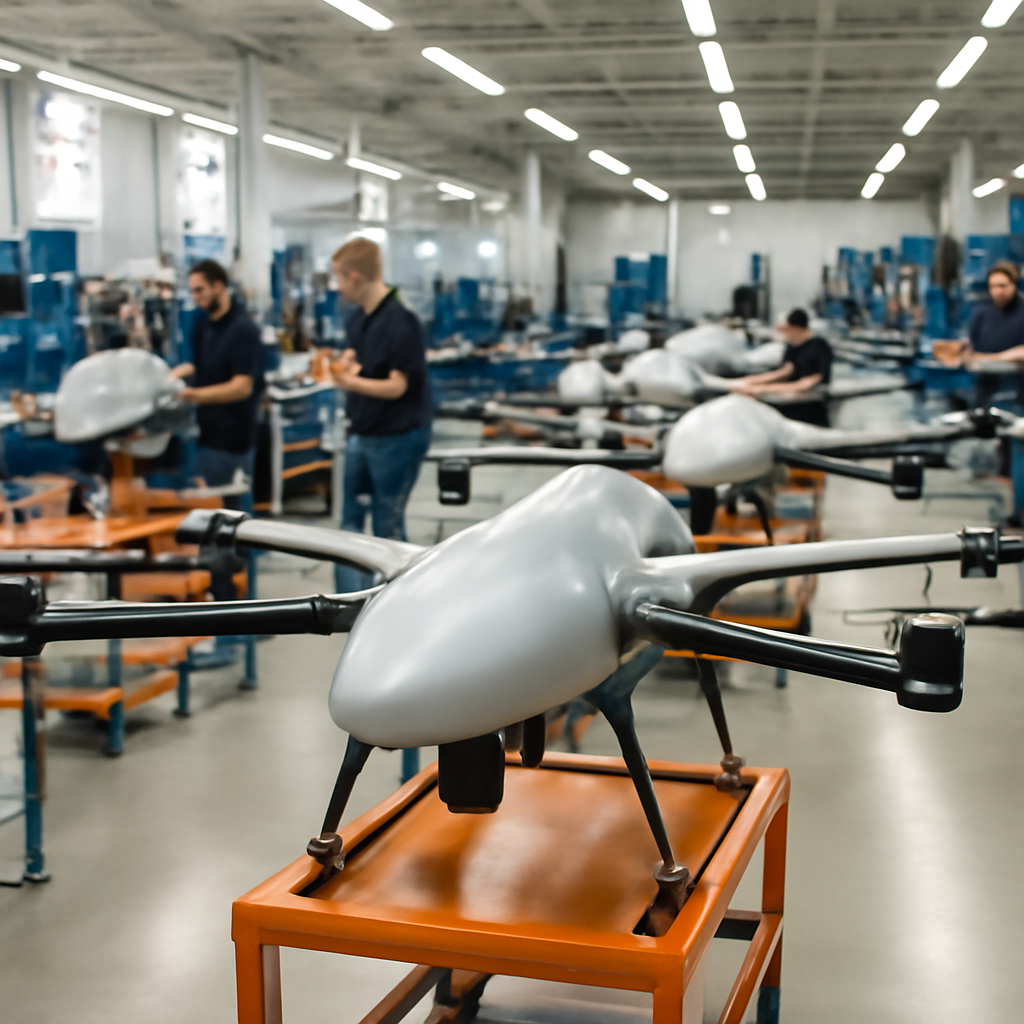
Hrytseniuk described an industrial surge: more than 150 Ukrainian companies now produce interceptor drones, and Brave1 counts "more than 2,300 different Ukrainian companies that are building weapons" within its cluster. He said Ukraine can manufacture more than 2,000 interceptors per day — "and this is not a maximum per day, more than 2,000" — and that number can expand further for export contracts. The scale claim comes in the context of mass Shahed attacks: during one assault Russia reportedly used "more than 1,300 Shaheds ... just during the last 24 hours," a pressure test for production and logistics.
Varieties of interceptors and tactical use
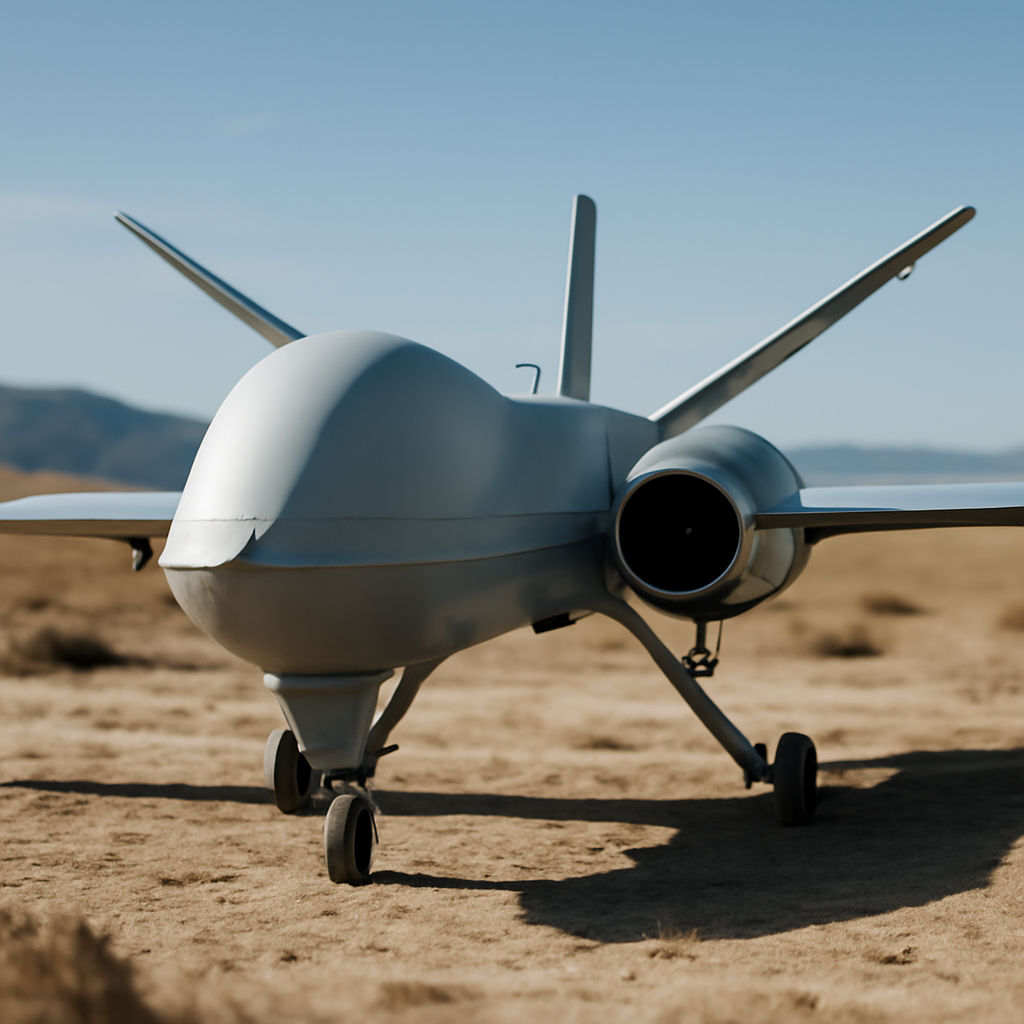
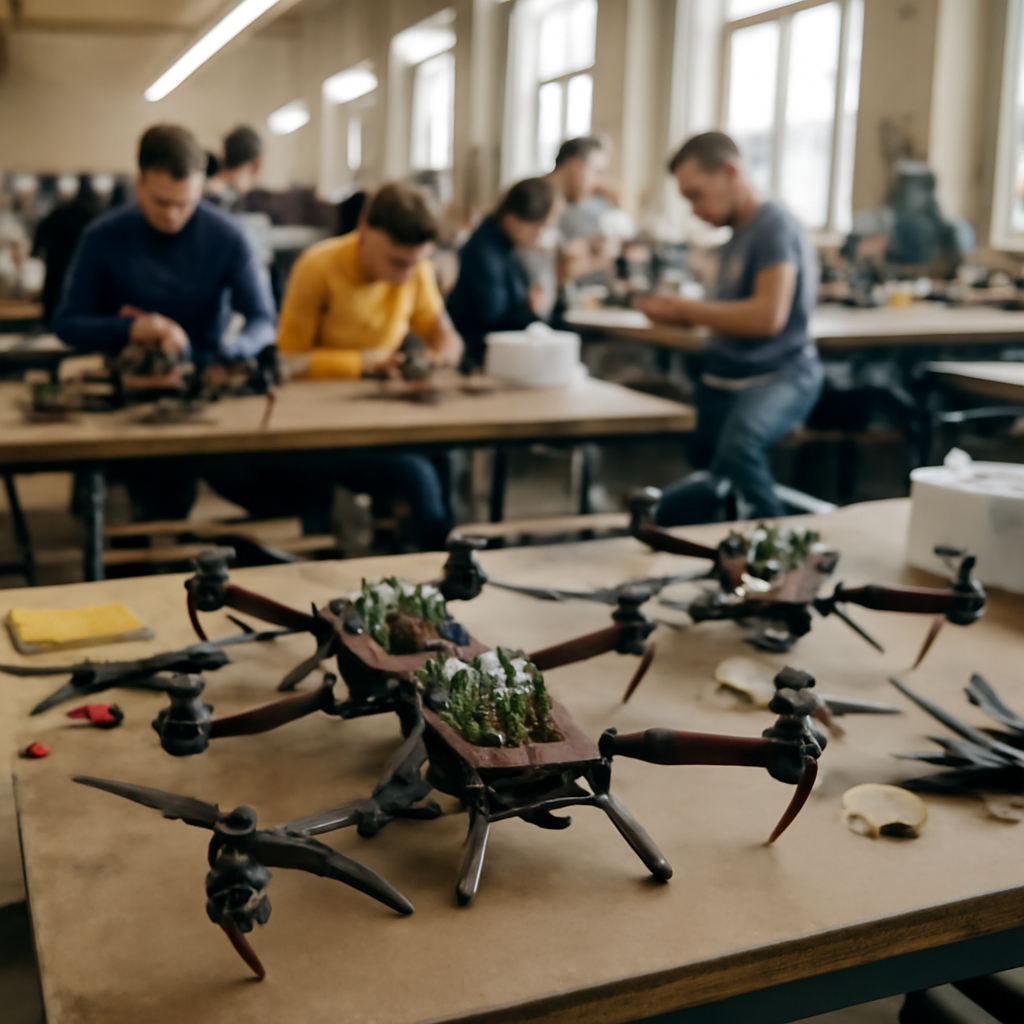
Ukraine’s industry, Hrytseniuk explained, did not produce a single design but a family of architectures. Producers deliver small rocket-type FPV drones, small and larger fixed-wing designs, and hybrid "X wing" craft that combine FPV and fixed-wing elements. Choice of interceptor depends on mission: small interceptors are deployed in the final kilometers against drones coming from the Black Sea and similar approaches, while larger, loitering interceptors — "flying for hours and for hundreds of kilometers" — are used to patrol and engage Shaheds at range. Hrytseniuk emphasized the need for a mix of platforms across different regions and conditions.

Audit-ready is a season. It shouldn't be.
Evidence in spreadsheets, controls drifting between audits, frameworks multiplying on flat headcount. Nubivance runs continuous compliance on Rapid7 Cyber GRC - SOC 2, HIPAA, ISO 27001, PCI, CMMC.
End the scrambleCost, effectiveness, and the role relative to Patriot
Cost is central to the Ukrainian approach. Hrytseniuk cited interceptor unit prices around $1,000 and speeds approaching "nearly 200 miles per hour," contrasting that with high-end effectors he called "more than $5 million a piece" — a reference to systems like Patriot interceptors used for ballistic and hypersonic threats. He drew a clear operational distinction: "Interceptors will never replace Patriot. Patriot is a great technology, the best in the world missiles for protection against ballistic missiles, hypersonic missiles. But of course, it absolutely doesn’t make any sense to use it against Shaheds. It’s extremely expensive, ... it is overkill." Public figures from Ukraine’s air defense command, Hrytseniuk said, show a 97% interception rate for Shaheds, though he declined to share detailed attribution of which weapons accounted for each kill.
AI, command models, and the larger system
On automation and decision authority, Brave1 favors a "human-on-the-loop" model: humans supervise and can arm, disarm, or cancel actions synchronously, but they are not required as a bottleneck for every engagement. Hrytseniuk said the effective hit rate is "much higher when the human is not in the loop, but on the loop." He underlined that interceptors are only one element of a broader, drone-based air-defense segment: radars, permanent control systems, navigation, and remote-control architectures matter as much as the kinetic vehicles themselves. Remote operation capabilities are mature enough, Hrytseniuk asserted, that pilots can control interceptors "from any place in the world" — even from New York or California — and cited claims that some systems can be operated from thousands of kilometers away.
What this means for the U.S., Gulf allies, and the Ukrainian military
- U.S. military and defense programs: Hrytseniuk credited mutual learning — saying "Most successful defense manufacturers learned from our military and Brave1 – both Ukrainian manufacturers, and Merops" — and pointed to the 2024 U.S. Merops counter-drone system’s deployment to Ukraine and later to the Middle East. He argued that direct Ukrainian input was essential to Merops’ performance and urged attention to cost and rapid deployment.
- Gulf states and Middle East defenders: Hrytseniuk said international interest grew as Shahed-type drones launched by Iran caused damage abroad. He recounted discussions with allied countries and described rising demand for interceptor capabilities able to counter long-range kamikaze drones and decoys — a capability set Ukraine says it has field-tested.
- Ukrainian military and industry: The domestic lesson has been iterative, asymmetric innovation under constraint: when missiles or ammunition were scarce, Ukraine developed interceptors, FPV attack drones, drone bombers, and naval drones. Hrytseniuk emphasized competition across many firms as a driver of fast improvement.
Hrytseniuk offered practical advice to other countries: do not assume ample preparation time; keep defender costs below attacker costs; and prioritize asymmetric solutions. He also flagged a policy knot: when asked about exports, he said Brave1 is "not deeply involved in export questions" and could not comment on current legal constraints, though he acknowledged past limits had been in place.
Ukraine’s interceptor story, as Hrytseniuk tells it, is one of rapid industrial adaptation: low-cost, varied drones deployed in large numbers, integrated with sensors and control systems, and operated under a human-on-the-loop model to meet a high interception rate against a specific threat. Whether that model scales for export customers — and whether legal and procurement systems will allow it to move abroad at the pace Brave1 claims — remains the immediate, concrete question.