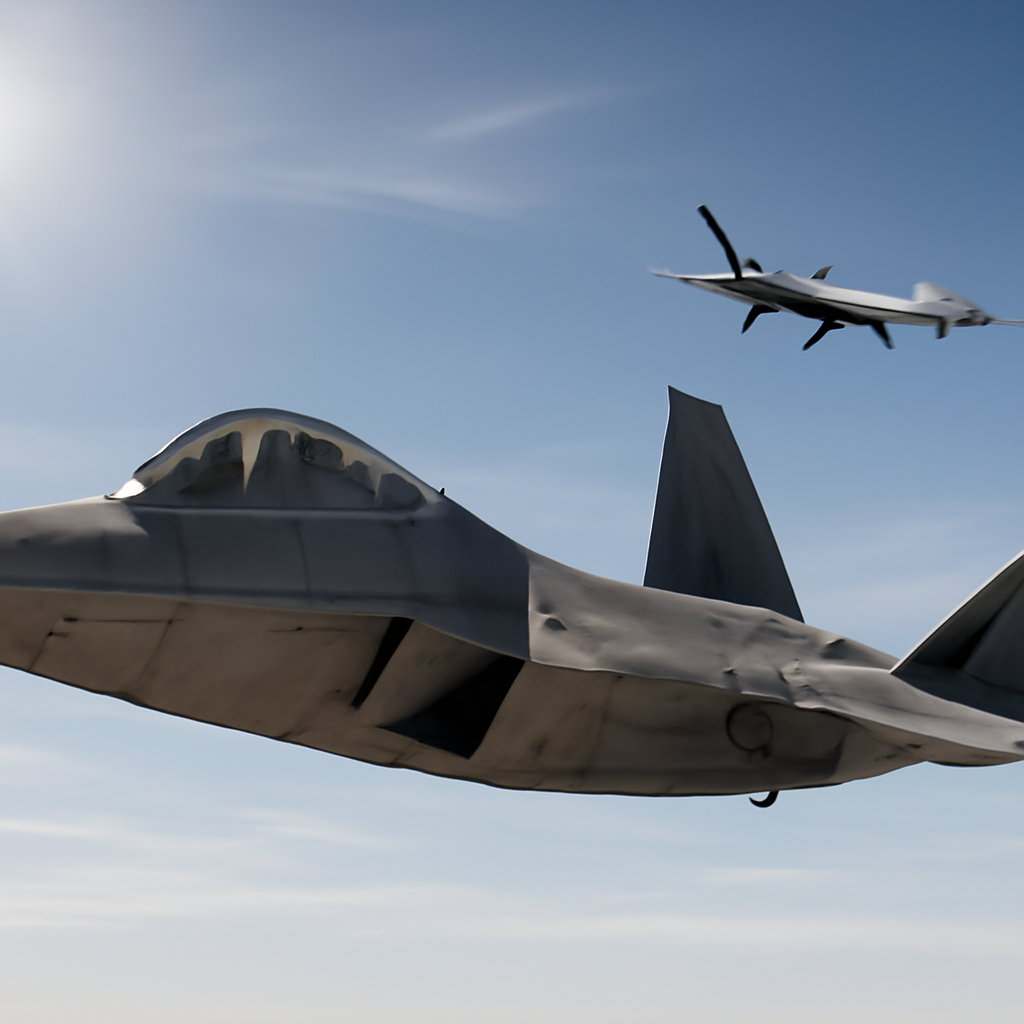
"Ukrainian companies will receive a real opportunity to enter partner countries’ markets, provided that our military has the right to receive the necessary volume of weapons first — only what companies can produce beyond the state order will be exported," Ukrainian President Volodymyr Zelenskyy wrote on X.
Zelenskyy's partial lift: export for a narrow set of partners
On Tuesday in Milan, President Volodymyr Zelenskyy announced that Ukraine will partially lift the wartime ban on exporting domestically produced weapons. The change is limited: exports will be allowed only to countries that Kyiv judges to be non-cooperative with Russia, and only for quantities produced beyond the state's own orders. Zelenskyy framed the measure as a way to keep Ukraine's military requirements first while allowing industry to generate external revenue.
“Drone deals”: what Kyiv says will be tradeable
Zelenskyy described the new arrangements as so-called "drone deals" — special agreements intended to enable the production and supply of Ukrainian-made drones, missiles, ammunition, software, and other sought-after weapon types. The announcement names drones and related systems broadly; it does not list every permitted item, but does single out missiles, ammunition and software alongside drones as part of the exportable categories.

This site is the portfolio.
OSINTSights runs on Cloudflare Workers, D1, R2, and Vectorize, with an AI pipeline on Hetzner ARM. Nubivance designed, built, and operates it. We do the same for clients.
See what we buildEarlier proposals and export-ready categories
The idea to ease the embargo is not new. Ukrainian officials had floated the concept of opening exports and cooperation with members of the Joint Expeditionary Force, a UK-led coalition of 10 countries that includes Norway, Estonia, Finland, Iceland, Lithuania, Latvia, Sweden, the Netherlands and Denmark. In a September interview with United24, a representative from Brave1, a government-supported defense technology hub, identified specific categories already seen as export-ready: naval drones, drone navigation software, turrets and unmanned ground vehicles.
Who will decide which countries can buy?
To guard against diversion to Moscow, Zelenskyy said the Ministry of Foreign Affairs, working in cooperation with intelligence services, will be responsible for determining the list of states to which export of military technologies is prohibited because of their cooperation with Russia. That institutional role was presented as the central control mechanism for the new export regime.
The embargo, industry pressure, and the financing argument
The export embargo has been in place since Russia's full-scale invasion in 2022, intended to divert all domestically produced weapons to the Ukrainian Armed Forces. Ukrainian companies have lobbied for several years to ease that restriction, arguing the ban has curtailed their ability to attract capital from abroad. Industry proponents say foreign sales could provide funds to expand production capacity and develop new technologies, which they contend would ultimately strengthen Ukraine's defense industrial base.
What this means for Brave1, Ukrainian defense companies, and the Ministry of Foreign Affairs
- Brave1: The hub — previously identified as flagging specific export-ready categories — stands to play a role in connecting Ukrainian producers with partner markets under the new "drone deals" framework, should companies be able to demonstrate surplus capacity beyond state orders.
- Ukrainian defense companies: Firms argue the change will open a new funding stream that could finance investment to raise production and develop technologies; any sales will be constrained to volumes above state procurement requirements.
- The Ministry of Foreign Affairs (with intelligence services): That ministry and the country's intelligence services have been placed at the center of the control mechanism, tasked with identifying which states will be barred from receiving exports due to cooperation with Russia.
Zelenskyy's announcement attempts to thread two priorities: keeping the Ukrainian Armed Forces supplied first, and enabling industry to monetize surplus capacity through specially negotiated "drone deals." Implementation will hinge on the Ministry of Foreign Affairs and intelligence services identifying the list of prohibited recipients and on companies demonstrating production beyond the state order. How quickly those practical details are settled and which countries are designated as cooperative or non-cooperative with Russia will determine the scale and shape of any future exports.
Original report: Ukraine to allow drone sales abroad, with caveats — Breaking Defense