149,346 people — that is the number reported in an Oregon attorney-general filing of Uber drivers whose personal information was taken after hackers broke into an AI supplier used by the ride-hailing firm.
What was taken from drivers
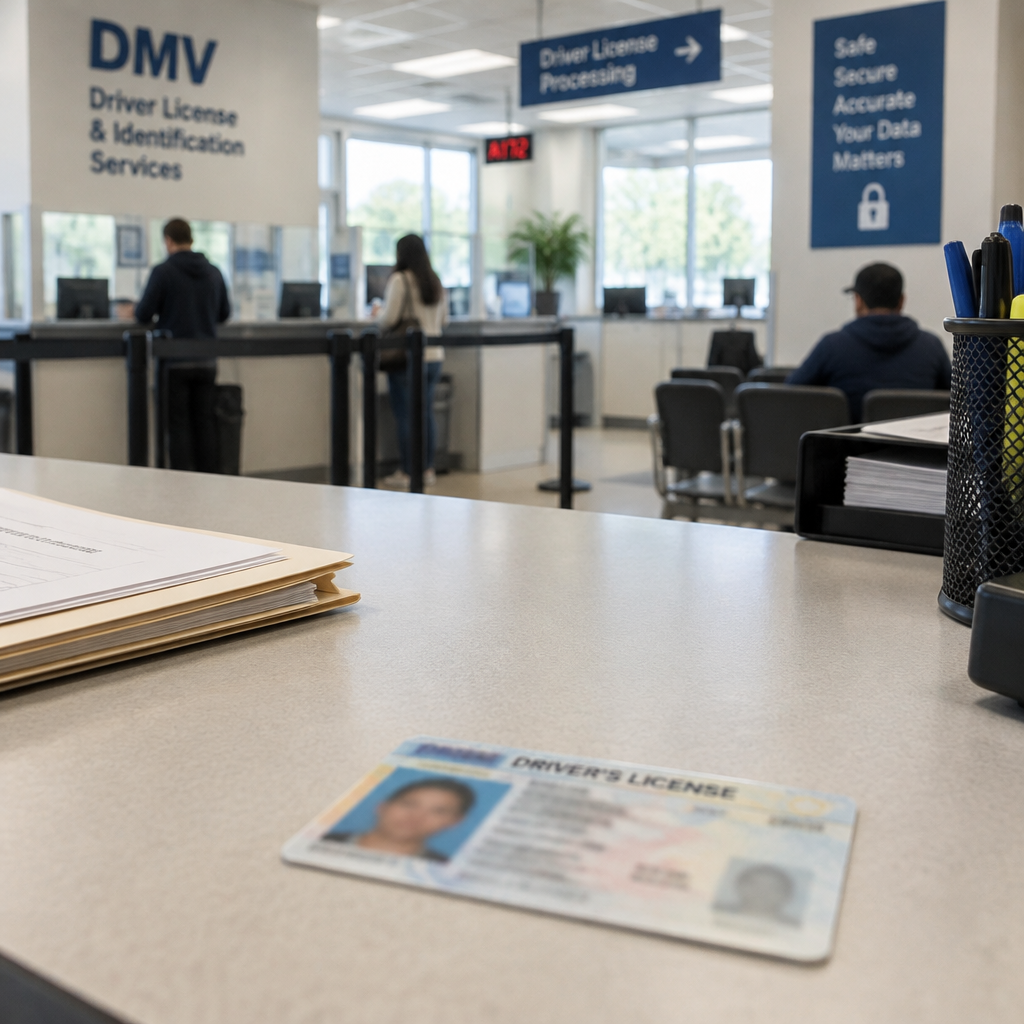
Uber says images of drivers' licenses and information extracted from those images were among the data exposed. The compromised fields, as described in filings, included names, home addresses, dates of birth, and license numbers. Uber has not specified whether drivers outside the United States were affected; The Register said it asked both companies that question.
Timeline: October discovery to November notification
According to a breach notification filed with Iowa's attorney general, the supplier alerted Uber to the intrusion on October 9. Uber cut the supplier's access that same day, and four days later determined attackers had accessed drivers' personal information on October 7. Uber began notifying affected individuals on November 10 — more than a month after it learned of the initial incident — and is offering free credit monitoring and fraud assistance to those notified. The company’s notification gives drivers 90 days from the date of their letter to sign up for those services.

Audit-ready is a season. It shouldn't be.
Evidence in spreadsheets, controls drifting between audits, frameworks multiplying on flat headcount. Nubivance runs continuous compliance on Rapid7 Cyber GRC - SOC 2, HIPAA, ISO 27001, PCI, CMMC.
End the scrambleHow the attackers got in: legitimate credentials and a dedicated cloud environment
Uber had set up a dedicated cloud storage environment for the supplier and said that environment featured security monitoring overseen by Uber's cloud security team. The intrusion succeeded because the attackers were using legitimate credentials, which prevented the monitoring from triggering alarms. Uber says those credentials could not be used to access its other systems, and that it has since revoked or changed the credentials associated with the supplier. Uber has not explained publicly why images of thousands of drivers' licenses were provided to an AI inference vendor.
Fireworks AI: sequence of incidents and collateral victims
Uber did not name the supplier in its filings, but told TechCrunch it was Fireworks AI, an inference outfit that provides infrastructure for developers to run and fine-tune AI models. Fireworks first disclosed a security incident on October 9 after discovering unauthorized use of its internal credentials and initially said it had no evidence intruders had obtained personal information or customer datasets. The company was then hacked again later in October and on November 9 disclosed that some customer data had been compromised.
- Fireworks acknowledged attackers accessed billing records, some customer datasets, and incomplete model weights.
- Productivity software maker Notion was among the affected customers; Fireworks said some Notion customers’ conversations with its AI assistant were exposed.
- Fireworks suspects financially motivated criminals were involved, with a commercial market for unauthorized access to large language models cited by the company.
What this means for Uber drivers, technologists/security teams, and enterprise buyers
- Uber drivers: Those whose information was included in the Oregon filing are being notified and offered credit monitoring and fraud assistance, but must enroll within 90 days of their notification letter.
- Technologists and security teams: The incident underscores the risk that legitimate credentials can render monitoring blind in a dedicated cloud environment; revoking and rotating supplier credentials was the immediate mitigation Uber reported.
- Enterprise buyers and procurement leaders: The case raises operational questions about why images of thousands of driver licenses were shared with an AI inference vendor and whether contractual controls or data minimization practices were adequate.
Beyond the immediate remediation steps Uber reported — cutting supplier access, revoking credentials, and notifying victims — two pointed issues remain in the public record: Uber has not explained why it provided large volumes of drivers' license images to an inference vendor, and it has not confirmed whether non-U.S. drivers were affected. Fireworks has linked the attacks to financially motivated actors and acknowledged exposure of billing records, customer datasets, and incomplete model weights; whether the stolen driver data will be reused, sold, or otherwise operationalized is unclear.
At minimum, the episode binds together three realities now familiar in cloud-era AI deployments: third-party inference infrastructure can hold sensitive identity documents; credential misuse can defeat conventional monitoring; and customer notifications can lag discovery by weeks. For the nearly 150,000 people named in the filing, the practical question is immediate — whether the credit monitoring and fraud assistance offered will be adequate and timely enough to blunt any misuse of the stolen data.