“10,388 personnel are deployed across the exercise area, including 1,305 from allied and partner nations drawn from 50 countries.”
50 participating countries and notable delegations on the ground
EFES 2026’s Distinguished Observer Day took place 20–21 May at the Doğanbey live-fire area in Seferihisar, İzmir, with Defence Minister Yaşar Güler, Chief of the General Staff General Selçuk Bayraktaroğlu, and all three Turkish service commanders in attendance. Defence ministers and chiefs of general staff from the 50 participating countries observed the culminating live-fire phases; Milliyet reported that President Recep Tayyip Erdoğan was also expected to attend.
The participating lineup included NATO members such as the United States, Germany, France, and the United Kingdom, alongside Azerbaijan, Pakistan, Malaysia, Japan, Sweden, Somalia, and Rwanda. Two participants drew particular attention: Syria’s army took part for the first time since the fall of the Ba’athist regime, conducting live-ammunition drills under Turkish Army supervision, and Libya sent rival western and eastern forces to the same exercise — with eastern Libyan personnel flying from Benghazi aboard a Turkish Air Force aircraft.
Autonomous systems on display: STM’s KARGU swarm and related platforms
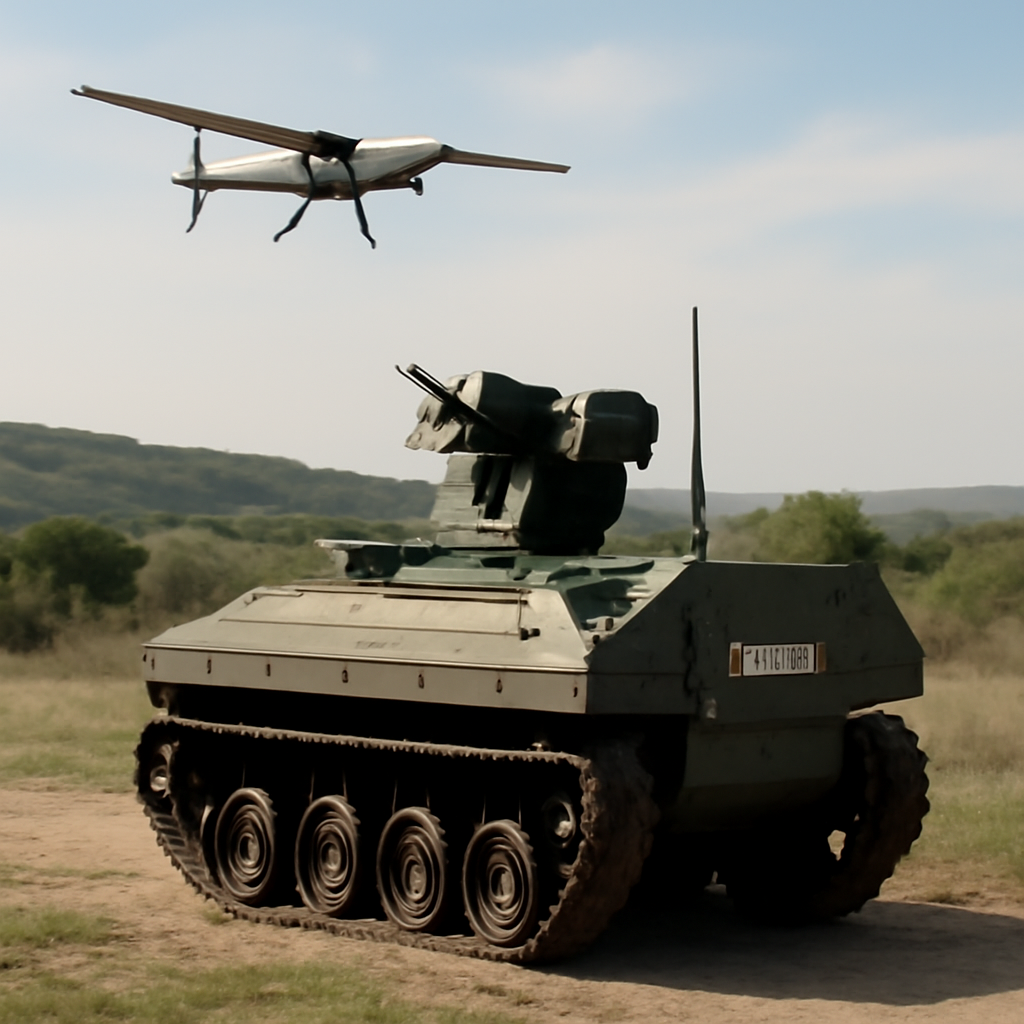
STM’s KARGU autonomous loitering munition swarm was a focal point. STM announced a field demonstration on 18 May in which a single controller coordinated 20 units simultaneously; that followed a January 2026 Polatlı live-fire test STM described as a world first, where 20 KARGU drones autonomously split into three sub-swarms and struck targets with live ammunition using indigenous algorithms.
The source describes the KARGU architecture as distributed rather than centralized, with each unit making autonomous decisions and the mission able to continue if individual drones are neutralised. Capabilities listed include interchangeable anti-personnel or armour-piercing warheads, anti-jamming antennas, and GNSS-denied navigation. The system has reportedly produced more than 1,000 units for the Turkish Armed Forces and is operationally deployed across 15 countries on four continents. STM also displayed the KUZGUN kamikaze UAV system (reported operational range exceeding 1,000 km) and the TUNGA-X interceptor, rated to reach 300 km/h to neutralise hostile loitering munitions.

The cyber insurance questionnaire just landed. Now what?
SOC 2, HIPAA, insurance renewals - someone has to own security strategy. Nubivance provides fractional CISO leadership without the full-time salary.
Get a security leadLayered air defence in the field: Aselsan’s ‘Steel Dome’
Aselsan’s integrated IAMD architecture — marketed at EFES as “Steel Dome” (Çelik Kubbe) — received its first operational exercise demonstration. The configuration brought together the long-range Siper interceptor with Hisar-A (short-range), Hisar-O (medium-range), and Sungur (very short-range/MANPADS) to create a layered defence intended to engage threats from cruise missiles and tactical ballistic missiles down to small commercial drones. MKE’s TOLGA short-range air defence system was also integrated into the daytime live demonstration.
Land, naval and air demonstrations: systems, platforms and the defence fair
More than 50 new weapons and systems were fielded for the first time, Rear Admiral Zeki Aktürk confirmed. Among them were the Panter 155mm truck-mounted howitzer (developed under ASFAT with MKE, Aselsan, and BMC), the Roketsan-produced KARAOK man-portable anti-tank missile, the Special Purpose Tactical Wheeled Armoured Vehicle, and the Karayel-class patrol boat.
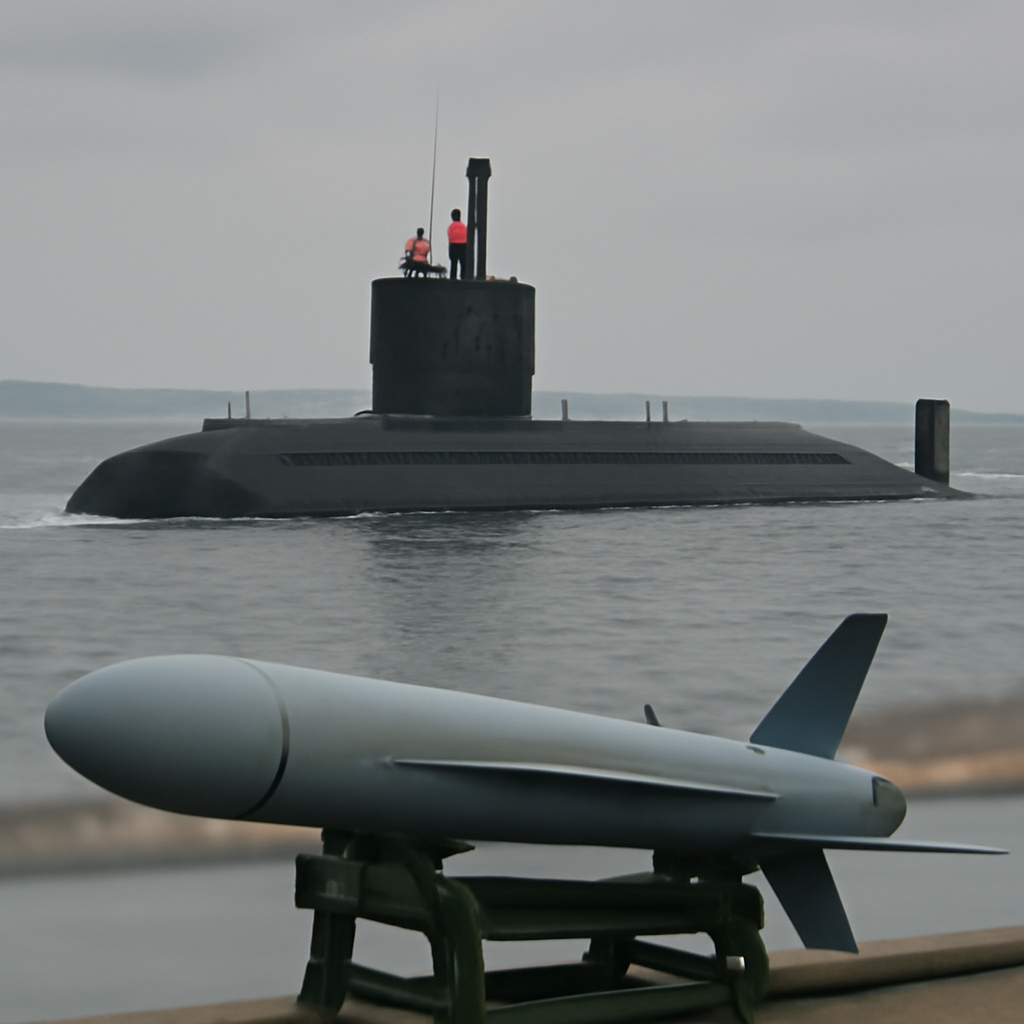
Roketsan deployed multiple systems — Sungur, TEBER precision guidance, MAM-T smart munition, and UMTAS long-range anti-tank missile — and displayed over 20 systems at the industry exhibition, including the ÇAKIR cruise missile, KARA ATMACA land-to-land cruise missile, AKYA heavyweight torpedo, ORKA lightweight torpedo, and a mock-up of the Tayfun Block 4 ballistic missile. Additional land systems included MEMATT mine-clearing, 105mm BORAN howitzer, ASLAN unmanned ground vehicle with SARP, Dragon Eye-2 thermal camera, EJDERHA IED system, YENER mine detection, and the MKE Alpay-II vehicle-mounted minefield breaching system.
Naval and air demonstrations included Baykar’s Bayraktar TB3 UCAV operating from TCG Anadolu, Bayraktar Akıncı providing CAS and ISR coverage, FNSS’s ZAHA Marine Assault Vehicle (debuted at EFES 2024), the first two New Type Landing Craft Tank vessels (C-159 and C-160), TAI GÖKBEY utility helicopter deployments, MİLGEM Ada-Class Corvette missions, and the Karayel-class patrol boat’s first operational exercise appearance.
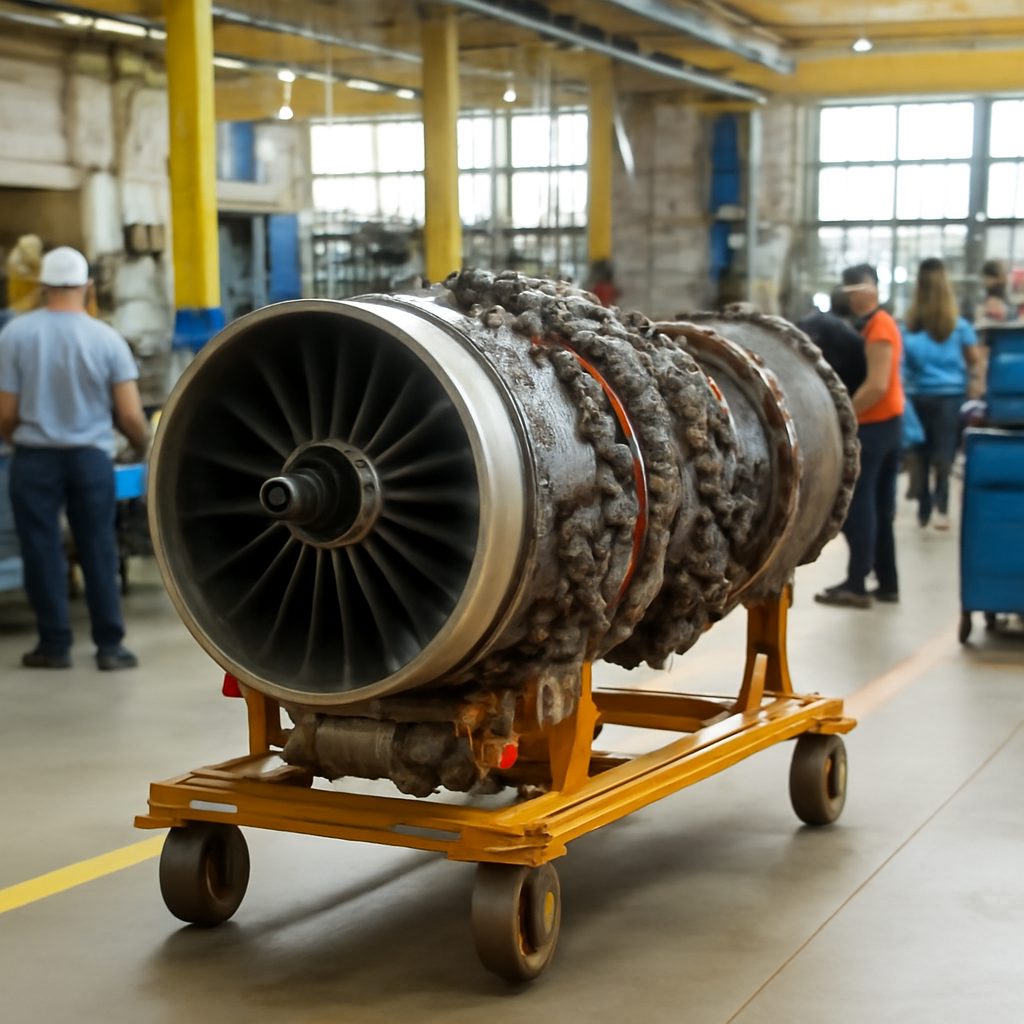
Running alongside the live events, a Defence Industry Exhibition hosted more than 50 Turkish firms. TAI displayed the KAAN fifth-generation fighter, Hürjet advanced trainer, and Anka-3 stealth UCAV in development configurations. The exhibition followed SAHA 2026 in Istanbul two weeks earlier, where export agreements reportedly exceeded $8 billion and the Ministry of National Defence revealed a 42,000 lbf turbofan engine and an intercontinental ballistic missile concept — making SAHA the static stage for contracts and prototypes that EFES then put into motion.
How procurement officials, Azerbaijan’s military leaders, and Turkish defence firms will act
- Procurement officials (notably from Pakistan): Pakistan’s participation gives its procurement officials a direct operational window into Turkish systems they are evaluating — from the KAAN fighter to naval platforms and autonomous strike systems — allowing live observation beyond static displays.
- Azerbaijan’s military leadership: Azerbaijani Lieutenant General Azer Aliyev and Turkish Aegean Army Commander General İrfan Özsert held strategic talks at EFES focused on expanding joint military activities, improving operational readiness, and deepening defence-industrial coordination between Ankara and Baku.
- Turkish defence firms and exporters: EFES paired with SAHA 2026 to present a two-step sales pitch — prototypes and contracts at the static show, operational validation at sea and on ranges — offering visiting delegations a chance to evaluate systems under realistic conditions.
EFES 2026 was designed as an operational shop window: prototypes unveiled at SAHA were fired, flown and sailed before delegations deciding where to allocate defence budgets. Whether those demonstrations convert to orders will be the concrete test following a show that combined large-scale multinational participation, first-time appearances by politically notable actors, and an intense focus on autonomous systems, layered air defences and export-ready platforms.