Tag: privacy
468 articles

Lawsuit Alleges Dating App Meete Exploits Users' Likenesses
A Tennessee lawsuit claims dating app Meete used a young woman's TikTok video in an ad without her consent, sparking concerns over user exploitation. The case highlights the alarming trend of apps profiting from users' likenesses without permission.

Congress Extends Surveillance Law Amid Renewed Scrutiny
Congress has given itself a 45-day reprieve, extending a contentious surveillance law that's raised alarm bells over its potential for abuse, despite revelations of major compliance problems. The law, Section 702, allows for warrantless snooping on foreign targets, but critics worry about its impact on civil liberties.

Proton CEO Warns Age Checks Threaten Online Anonymity
Proton CEO Andy Yen warns that mandatory online age checks could spell the end of anonymity, forcing every adult to surrender their ID just to access the internet. He argues that efforts to protect minors will inevitably sweep in adults, creating an ID checkpoint that threatens online freedom.
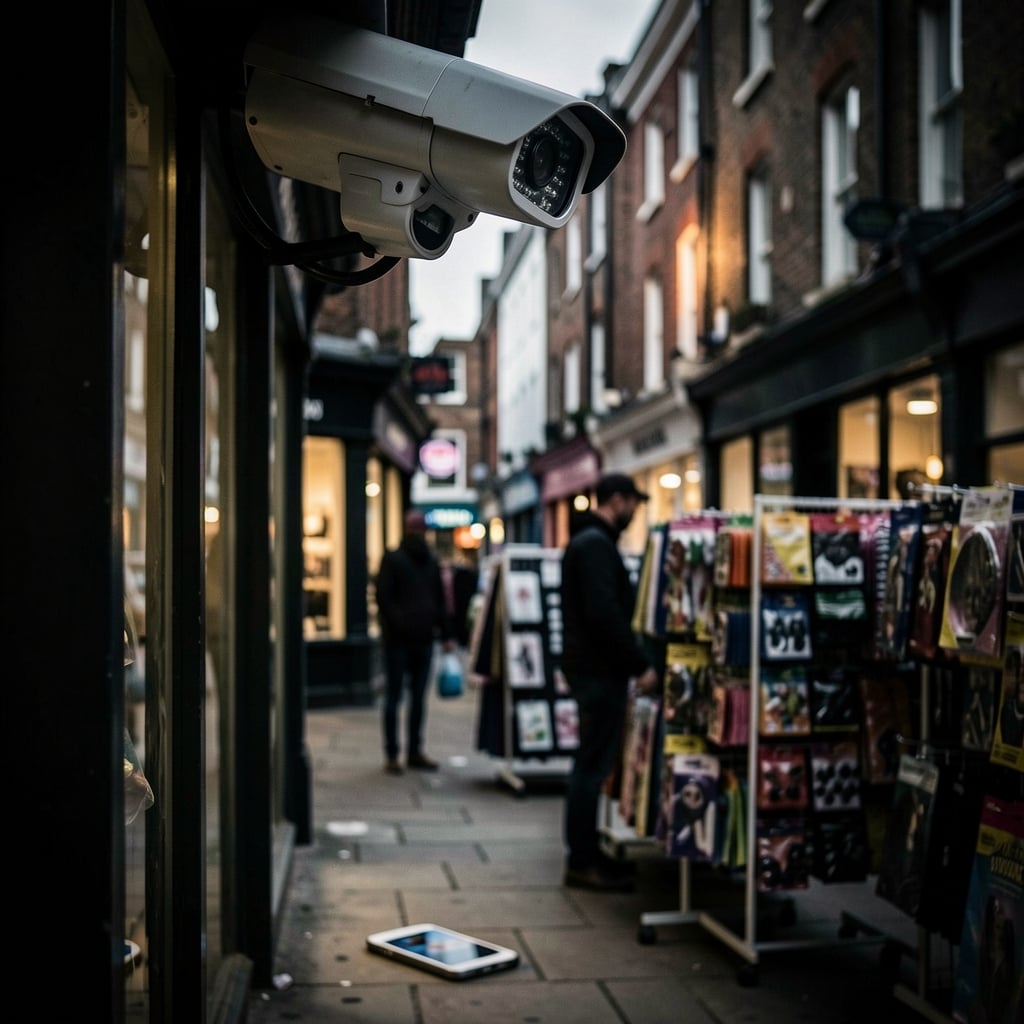
Met Police Deploys Surveillance Tech to Tackle London Shoplifting
The Metropolitan Police are testing a cutting-edge retail technology to combat London's shoplifting epidemic, and it doesn't rely on live facial recognition - but what does that mean for citizen privacy?

Google Chrome Fails to Thwart Browser Fingerprinting
If a browser claims to be safe but fails to block one of the easiest ways for advertisers to track you online, can it really be considered safe? Google Chrome, despite its reputation for security, surprisingly leaves users vulnerable to browser fingerprinting, a pervasive tracking method that can uniquely identify and follow you around the web.

Sanders Probes AI Impact on Privacy
Senator Sanders just had a striking conversation with an AI named Claude about the impact of artificial intelligence on privacy - and his one-line verdict says it all: Claude is actually pretty good on the issues. This brief endorsement carries significant weight, sparking important discussions about the role of AI in shaping our future.

LAPD Data Breach Exposes Sensitive Officer Records
A data breach has exposed sensitive records of the Los Angeles Police Department, raising urgent concerns about operational security, individual privacy, and institutional trust. The incident's implications extend far beyond a single breach, sparking questions about the vulnerability of law enforcement data.

New Mexico Ruling Threatens End-to-End Encryption
A recent New Mexico court ruling against Meta has sparked a crucial debate: is it riskier to have social platforms that shield private messages with end-to-end encryption, or to leave them exposed for law enforcement to scrutinize? This case highlights the tricky trade-offs between user privacy and public safety.

LinkedIn Harvests Browser Data with Secret Chrome Extension Scans
A recent report, dubbed BrowserGate, uncovers LinkedIn's hidden practice of scanning visitors' browsers for installed extensions and harvesting device data, raising serious questions about user privacy. The professional social network reportedly checks for over 6,000 Chrome extensions, leaving users to wonder: what should LinkedIn know about your browser?

LinkedIn Harvests Browser Data with Secret JavaScript Scripts
Did you know that LinkedIn is quietly harvesting browser data, including a list of your installed Chrome extensions, every time you load a page? A recent analysis, dubbed BrowserGate, uncovered the surprising truth behind LinkedIn's use of secret JavaScript scripts to scan visitor browsers.

Zoom Meetings Exposed by Rogue Web Service
Meetings meant to be private, ended up being public. A rogue web service called WebinarTV has been exploiting Zoom meeting security by searching for publicly available invites, joining and secretly recording sessions, and publishing them online.

Proton Unveils Meet, a Secure Video Conferencing Alternative
Say goodbye to compromising your privacy for seamless online meetings! Proton's new Meet platform is here to revolutionize video conferencing with end-to-end encryption, giving you the freedom to be yourself without worrying about surveillance or data exploitation.

Proton Mail Faces Alarming Data Leak to Authorities
Proton Mail, a popular encrypted email service, has faced a concerning data leak to authorities, raising questions about the balance between user privacy and cooperation with law enforcement. This recent revelation has sparked debate about the feasibility of upholding the fundamental human right to privacy in the digital age.

Critical Camera Alert: Apple's Indicator Light Shields Users from Devastating Malware Risks
Imagine being able to trust that your camera isn't being secretly used - Apple’s camera indicator lights offer a simple yet powerful solution, giving you peace of mind with a reassuring glow that alerts you when your camera is in use. This clever feature is a game-changer in the fight against malware and hacking, empowering you to take control of your digital security.

OpenAI Exclusive: Controversial Ads in U.S. Free ChatGPT
OpenAI is adding ads to free and low-cost ChatGPT for logged-in U.S. users, insisting your conversations won’t be sold. Still, that bargain—wider access for ad revenue—raises real questions about privacy, transparency and what happens when adtech meets powerful generative AI.

Australian Man Gets Seven Years in Stunning Harsh Sentence
A Western Australia man was sentenced to seven years after weaponizing public Wi‑Fi networks to steal intimate data — a stunning verdict that spotlights how vulnerable our everyday connections are and why you should avoid sensitive activity on open networks.

Metropolitan Police Stunning facial tech proven effective
The Metropolitan Police say live facial recognition deployments across London led to 962 arrests — a headline-grabbing claim that suggests real operational impact. Supporters call it a breakthrough, while critics warn it raises serious questions about bias, privacy and oversight.

Digital ID now targets personal data, not illegal work
When a government pivots a digital ID from an anti-illegal-work tool to a convenience, citizens are left asking who — and what — it really protects. Slogans won’t fix the real risks: mission creep, exclusion, and centralised personal-data vulnerabilities that only careful design and legal limits can address.

insider risk: Essential Defenses Against Costly Breaches
Insider risk is now a frontline threat—77% of organizations have suffered data loss—so prioritize least-privilege access, zero-trust IAM, and integrated DLP/UEBA/SIEM while building a people-first culture that balances privacy with protection. These must-have defenses stop costly breaches before trusted channels become exit ramps.

geostationary satellite communications: Shocking Risk
Point a few hundred dollars of consumer gear at the sky and you can snoop on vast swaths of unencrypted satellite traffic — from in‑flight Wi‑Fi and private calls to corporate and critical‑infrastructure links. It’s a wake‑up call: encrypt by default and update decades‑old satellite systems before curiosity becomes catastrophe.

payment data breach: Stunning Alarming Risk Exposed
About 180,000 people had names and payment details left exposed — putting them at heightened risk of fraud and identity theft; here’s what to do now to protect yourself and why companies must tighten their defenses.

social media surveillance: Stunning, Risky Threat
Imagine losing a visa over a tweet: a new Brookings report reveals how AI-driven social-media surveillance for visa enforcement risks chilling speech, making costly errors, and turning public expression into grounds for punishment. It’s a wake-up call to ask who watches the watchers and demand clearer rules, transparency, and safeguards.

pet records Exposed: Exclusive Risky Security Warning
More than 85,000 pet and owner records were left exposed, turning beloved pets’ details into a roadmap for scammers and raising real risks like spam, identity theft and fraudulent claims—here’s what went wrong and what you can do now to protect yourself.

auto insurance records Exposed: Shocking Risky Leak
Imagine anyone being able to read your policy—because more than 5 million auto insurance records were left publicly accessible online, putting drivers at immediate risk of fraud and identity theft. This glaring misconfiguration shows how easily useful data can become a goldmine for scammers.