Tag: operational security
89 articles

calendar invite Shocking Leak: Risky Trust Damage
A misconfigured Outlook calendar invite from Cifas accidentally exposed dozens of fraud-prevention professionals’ email addresses — a simple slip with potentially serious consequences. It’s a wake-up call that default-private settings, group aliases and basic training aren’t optional if we want to protect the people who protect us.
RMM software Must-Have Protections: Best Defenses
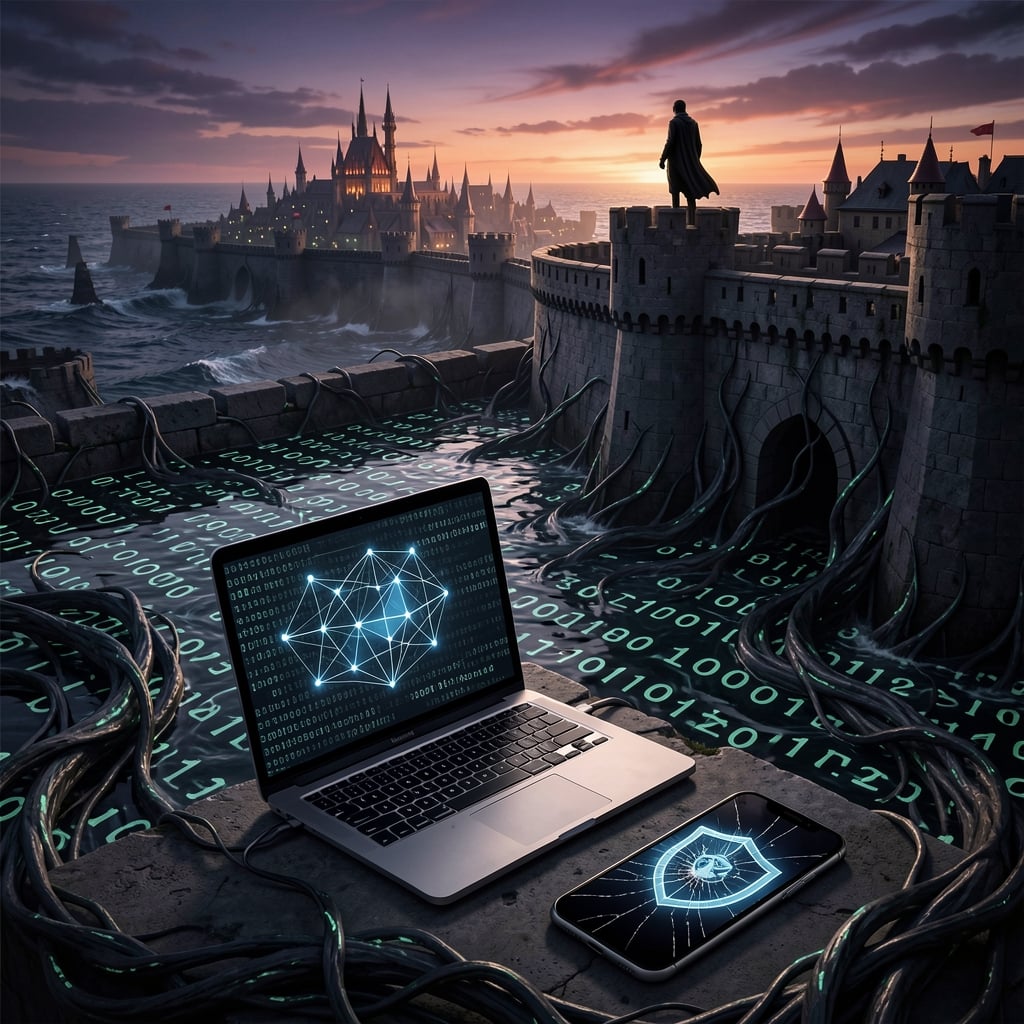
Remote monitoring tools like ScreenConnect make IT life easier—but when attackers hijack them through phishing or stolen credentials, that convenience becomes a powerful way to spread ransomware and steal data. Protect your RMM consoles with strong authentication, network segmentation, and vigilant monitoring before a single click turns into a network-wide crisis.

malware development: Exclusive Risky AI Abuse Exposed
OpenAI says it disrupted three groups misusing ChatGPT to develop malware — from a Russian actor refining a RAT and credential‑stealer to activity tied to China and North Korea — highlighting how easily generative AI can be repurposed for harm. The takedown bought defenders time, but it also raises urgent questions about policing, policy and how to keep powerful tools useful without arming attackers.

cyber incident: Explosive FEMA Cover-Up Risk
Leaked emails and logs now cast doubt on FEMA’s insistence that last month’s sweeping security firings weren’t cyber-related, raising urgent questions about hidden breaches, operational risk, and public trust. As investigators sift the evidence, people deserve clear, timely answers about whether critical disaster systems or personal data were exposed.

Rhadamanthys Stealer: Exclusive Dangerous Threat
Rhadamanthys has evolved from a simple credential stealer into a stealthy, full-stack threat that fingerprints devices and hides stolen data inside ordinary PNG images while pairing with proxy and crypt services for turnkey attacks. Defenders should boost telemetry, enforce phishing‑resistant MFA, and add content‑aware inspection (including steganalysis) to spot these covert exfiltration channels.

IIS server hijacking: Stunning Risky Threat
A Chinese‑speaking cybercrime group has been quietly hijacking Microsoft IIS servers to inject poisoned pages that hijack search results and steer real traffic to scams and affiliate schemes. If you run IIS sites, now’s the time to patch, lock down admin access, and add file‑integrity and content monitoring to stop stealthy SEO fraud before it ruins your reputation.

SharePoint incident: Stunning Air Force Privacy Scare
The Air Force is investigating a privacy-related SharePoint outage that left personnel without access to mission files and collaboration tools while working with Microsoft and cyber partners to restore normal operations. The disruption highlights how reliant modern missions are on commercial cloud services — and why stronger safeguards and clearer communication are essential when those systems fail.

major cyberattack: Shocking £206m Loss — Risky Fallout
After a major cyberattack forced the Co-op to isolate critical systems, the group now expects a £206m revenue hit — a sharp reminder that containing a breach can protect customers but comes with steep commercial costs.

Scattered Spider gang Exclusive Arrest Exposes Risk
U.K. police arrested 17‑year‑old Thalha Jubair after tracing gift‑card purchases back to the same crypto wallets used in Scattered Spider’s alleged $115M extortion campaign. It’s a striking reminder that sloppy opsec and smart crypto forensics can crack sophisticated social‑engineering rings — and that businesses must tighten people‑centric defenses.

cloud backup service breach: Stunning Critical Threat
SonicWall revealed threat actors accessed cloud-stored firewall preference files for about 5% of its devices — a small slice but a big risk, since exposed configurations act like blueprints that can speed and stealth targeted attacks. Now’s the time to audit vendor backups, rotate credentials, and enforce customer-controlled encryption to limit fallout.

cyber espionage: Dangerous Exclusive Threat to Trade
China-backed hackers impersonated a U.S. congressman to snoop on trade deliberations, using tailored spear-phishing to harvest credentials and gain persistent access to policymakers, think tanks and law firms. Proofpoint warns this stealthy campaign undermines trust in policymaking and shows why stronger email defenses, MFA and tighter operational security are urgently needed.

targeted spy attacks: Stunning, Dangerous iPhone 8 Risk
Apple rushed a rare backport to iPhone 8 and some iPads after a recently patched zero‑day appears to have been used in highly sophisticated, targeted spy attacks — a reminder that even older phones can be weaponized and updates matter.

attacker surveillance: Exclusive Risky Ethics Debate
Huntress’s cheeky description of an attacker “on a silver platter” has split infosec — praised by some as a rare, practical learning moment and criticized by others for risking privacy, investigative integrity, and even giving attackers tips. The debate highlights a bigger question: how can defenders share real-world lessons widely without creating new vulnerabilities or harming victims?

stream keys: Stunning Risky Exposure at Pentagon
A tiny, overlooked stream key left DoD livestreams dangerously open to hijack—proof that small credential slip‑ups can let adversaries impersonate official channels and spread confusion. The Pentagon says it’s fixed the issue, but stronger secrets hygiene and policy changes are still needed to stop a repeat.

AI-powered operations: Stunning Exposure, Defender Win
An attacker’s bid for stealth backfired when legitimate security software exposed their AI‑assisted playbook — Huntress telemetry captured model‑like artifacts that turned a covert campaign into a forensic treasure trove, proving AI speeds attacks but also leaves telltale traces defenders can use.

spear-phishing campaign: Risky North Korean Tactic Exposed
North Korea’s APT37 is luring South Koreans with real-looking internal briefings, turning trusted emails into powerful espionage tools — a wake-up call to strengthen MFA, behavior-based detection, and cross‑agency info sharing.

authentication bypass vulnerability: Critical Must-Have Fix
Click Studios has released an urgent patch for Passwordstate to fix a potential authentication bypass—update to 9.9 (Build 9972) now. After patching, audit logs and consider rotating high-value credentials to ensure your vault remains secure.

EU Cybersecurity Reserve Must-Have: Best Defense
ENISA’s new €36M EU Cybersecurity Reserve turns a long‑talked idea into a real, deployable digital fire brigade — pooling expert teams, forensic tools and logistics to help member states and critical infrastructure bounce back faster from cross‑border cyberattacks. If Europe pairs this funding with clear rules, joint exercises and legal certainty, the Reserve could become a reliable, lifesaving safety net rather than just another well‑intentioned plan.

cyber incident: Maryland’s Stunning, Risky Wake-Up
Maryland has confirmed a cyber incident affecting parts of its transportation system, but officials say all scheduled trips this week will be honored while investigators work to determine the scope. Commuters should stay alert for updates as authorities probe the issue and protect essential services.

SBOM minimums Must-Have Best Practices
CISA is revisiting its 2021 SBOM minimums and asking stakeholders for input to strike the right balance between useful, machine-readable inventories that speed vulnerability response and safeguards that prevent sensitive detail from aiding attackers. The update could nudge industry toward interoperable, automatable SBOMs while building practical options for protecting proprietary or security-sensitive information.

cyber intrusion: Exclusive Risky CIRO Data Breach
CIRO, the regulator that holds sensitive data on advisors and investors, has disclosed a cyber intrusion that could have exposed personal and firm information—raising urgent questions about privacy and market trust. The organization says it’s investigating and notifying affected people, but clear timelines and concrete remediation will be essential to restore confidence.

SIGINT World War II: Must-Have Lessons for Best Strategy
When codebreakers cracked enemy ciphers, victory still depended on trusted human messengers, tight secrecy, and rapid, context-rich delivery to commanders. SIGINT World War II reveals those high-stakes trade-offs and timeless best practices for turning raw decrypts into decisive action.

LVC tools: Must-Have Best Practice for Readiness
What if pilots could rehearse tomorrow’s high‑end fights today—seamlessly combining live jets, high‑fidelity simulators and computer‑generated forces? LVC tools stitch those elements together to boost readiness, cut costs and enable distributed, repeatable training—if services invest in standards, secure networks and validated scenarios to keep it real and safe.
portable forensics labs: Must-Have, Game-Changing Upgrade
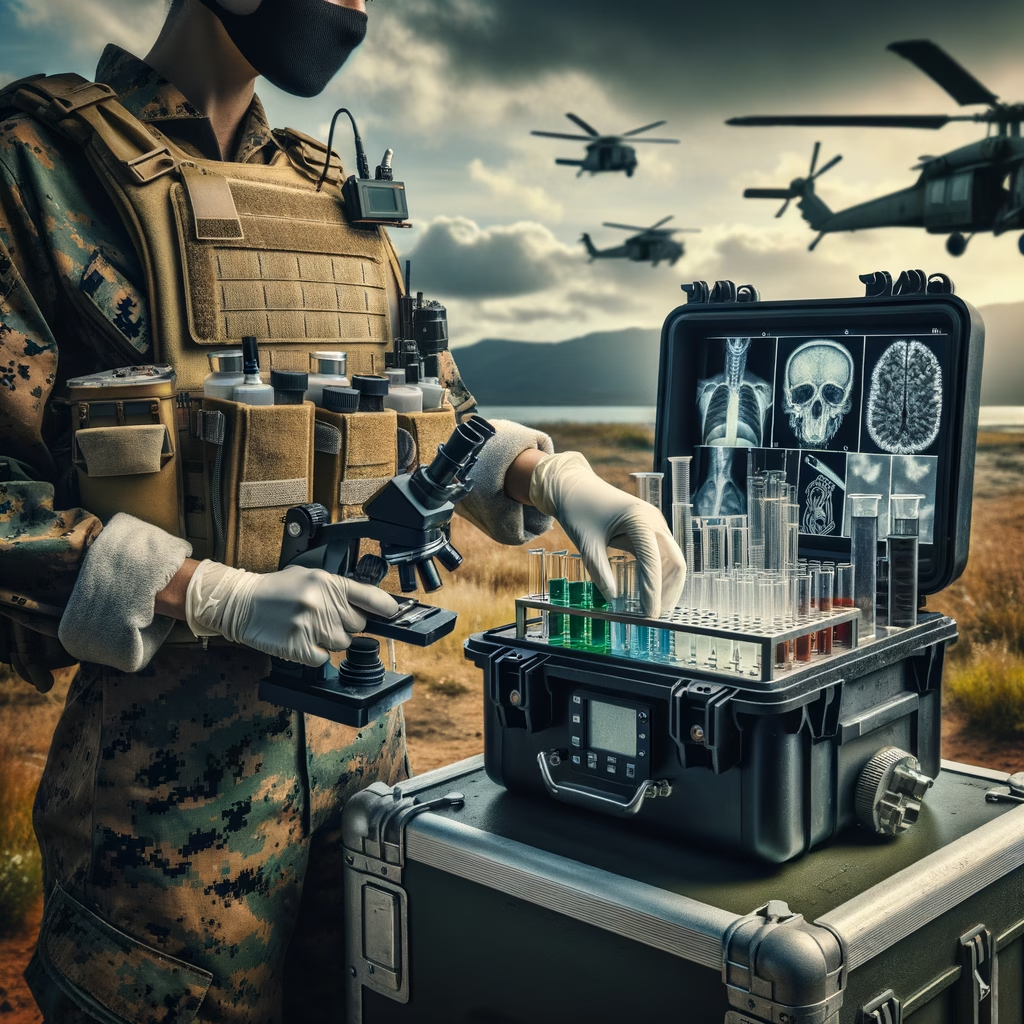
Imagine turning a scrap of blood or a smudge of a fingerprint into an ID in minutes, not days. The Marine Corps’ new portable forensics kits put lab-grade collection, analysis and secure reporting in warfighters’ hands to speed investigations, protect troops and sharpen intelligence—while calling for rigorous training, chain‑of‑custody rules and legal safeguards.