Tag: mfa bypass
245 articles

Microsoft Urges iPhone Users to Reauthenticate After Outlook Outage
If you're an iPhone user who relies on Outlook, you may need to re-enter your login credentials to access your account after a global outage hit the service. Microsoft has confirmed the issue is resolved, but iOS users will need to manually sign in again through the default Mail app.

Microsoft Fixes Entra ID Flaw That Enabled Service Principal Takeovers
Microsoft has patched a vulnerability in Entra ID that allowed hackers to hijack service principals, potentially leading to full takeover of sensitive systems. A security researcher discovered the flaw, which stemmed from overly broad permissions in the Agent ID Administrator role.

Robinhood Flaw Exploited to Send Convincing Phishing Emails
Scammers have found a way to send fake emails that look like they're really from Robinhood, complete with convincing details like unusual IP addresses and partial phone numbers. These phishing emails even appeared to come from Robinhood's official email address, making them super convincing.
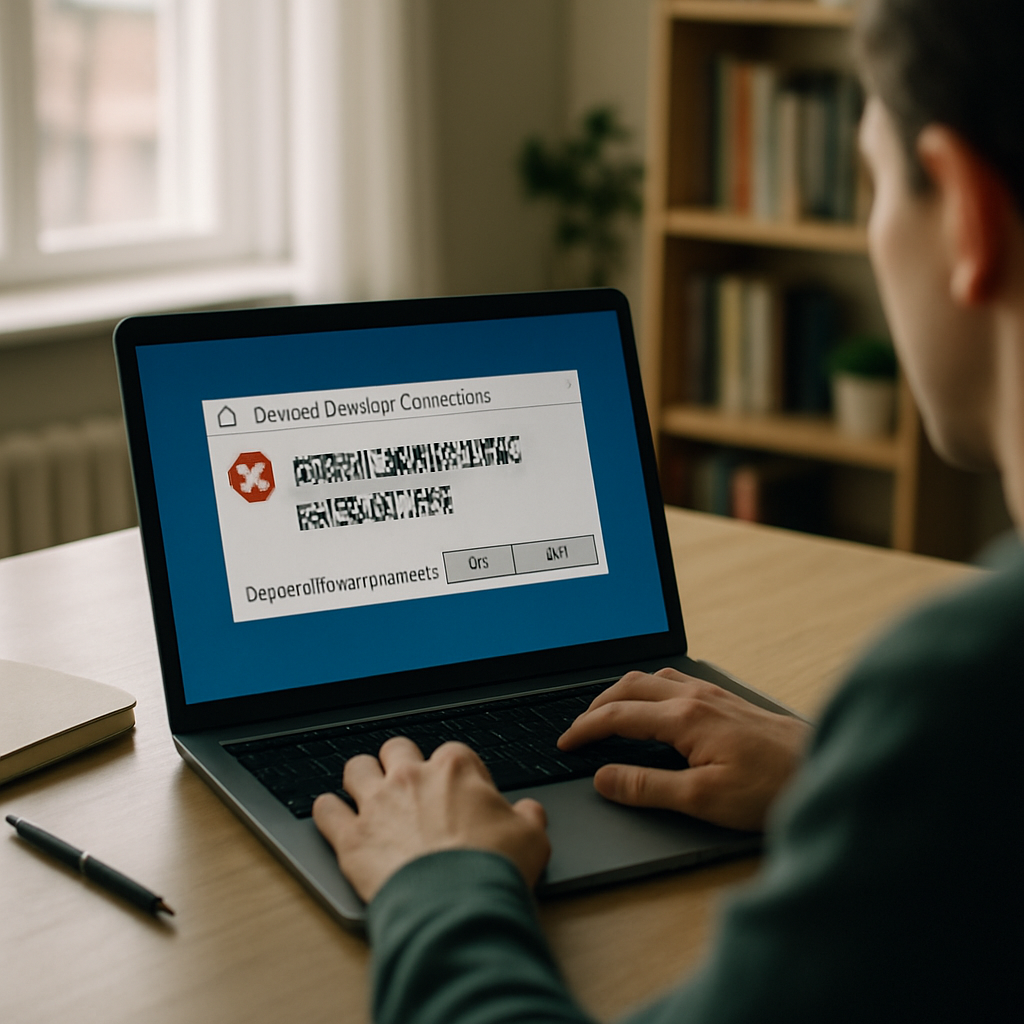
Microsoft Update Disrupts Remote Desktop Security Warnings
Microsoft's latest update aimed at boosting Remote Desktop security may have an unintended consequence: a display-scaling bug that makes crucial security warnings hard to read or even unreadable. This glitch comes at a critical time, as the update was designed to protect against phishing attacks that exploit .rdp files.

Stolen Credentials Empower Attackers in Identity-Based Breaches
While security teams obsess over complex threats, attackers often find it easier to simply walk in with stolen credentials - the quickest and most reliable way into networks. By focusing on sophisticated threats, we might be overlooking the front door, which is wide open with a copy of the keys in the wrong hands.
Malicious iOS Apps Expose Crypto Users to FakeWallet Threat
Beware of scammers on the official app store: over 20 fake cryptocurrency wallet apps were recently discovered on the Apple App Store, masquerading as legit software to steal user credentials and secrets. These malicious apps, dubbed FakeWallet, put unsuspecting crypto users at risk of losing their digital assets.
Hackers Exploit Apple Alerts to Fuel Phishing Scams
Scammers are exploiting Apple's own notification system to send fake emails that look legit, tricking you into divulging sensitive info with phishing scams disguised as iPhone purchase alerts. Be cautious when receiving Apple account change notifications - even if they come from Apple's servers!

Ransomware Exploits QEMU VMs to Evade Endpoint Security
Malicious software can now secretly launch a virtual machine inside your computer, allowing it to evade detection and phone home to its operator - a chilling new tactic that exposes weaknesses in traditional endpoint defenses. This stealthy approach, recently spotted in the Payouts King ransomware, uses the QEMU emulator to create a hidden virtual machine and bypass security measures.
ATHR Platform Exploits AI Voice Agents for Automated Vishing Attacks
Imagine a phone call that's both automated and coached by a human - a new cybercrime platform called ATHR is making this a terrifying reality, using AI voice agents to fuel highly convincing vishing attacks that can steal your credentials. By combining automation with human and synthetic voices, ATHR is taking voice phishing to a whole new level of sophistication.

Taboola Exploits Banking Sessions to Route Users to Temu Tracking Endpoint
Imagine a single line of code secretly redirecting people logged into their bank accounts to a commercial tracking site - that's what happened when a bank unknowingly approved a Taboola pixel that sent users to a Temu tracking endpoint. This sneaky exploit slipped past security controls, leaving both the bank and its users none the wiser.

AI-Driven Vulnerability Risks Expose Security Teams to Reality Check
The AI-driven vulnerability landscape just got a harsh reality check: with AI-powered tools like Anthropic's Claude Mythos speeding up vulnerability discovery, security teams are facing a daunting new challenge - keeping up with the rapid pace of exploit development. The real question is, are defenders ready to respond?

Microsoft Patch Tuesday Update Rectifies Zero-Day Flaws
This April's Patch Tuesday update from Microsoft is a critical one, bundling fixes for not one, but two zero-day flaws alongside over 160 other vulnerabilities, giving organizations and users a pressing decision: apply quickly or risk potential disruptions. By applying these patches, you can significantly reduce your exposure to cyber threats.

Malicious Chrome Extensions Infiltrate Web Store, Compromise User Data
Malicious Chrome extensions, masquerading as harmless tools, have infiltrated the official Web Store, putting millions of users' data at risk by stealing sensitive tokens, planting backdoors, and running ad fraud. Over 100 of these rogue add-ons have been identified, highlighting a growing threat in a marketplace we thought was safe.

Microsoft Patch Tuesday Addresses 167 Vulnerabilities, Fixes 2 Zero-Day Flaws
Microsoft's April Patch Tuesday update is a doozy, tackling a whopping 167 vulnerabilities, including two zero-day flaws that demand immediate attention. The question is, can you afford to wait - or do you need to act fast to safeguard your organization?

Zero Trust Fortifies Identity Security Against Credential Exploits
Stolen credentials are a hacker's dream come true, leading to easy privilege escalation and full network compromise - but what if you could lock down your identities and shut the door on these threats? An identity-first Zero Trust approach is the powerful solution you need to fortify your security.

JanelaRAT Malware Strikes Latin American Banks with 14,739 Attacks
Latin American banks faced a staggering 14,739 attacks from the JanelaRAT malware in 2025, putting sensitive information at risk and raising the stakes for financial institutions and their customers. This surge in attacks highlights the growing threat of JanelaRAT, a modified malware family that continues to target banks in countries like Brazil and Mexico.

Storm Infostealer Exploits Server-Side Decryption for Session Hijacking
Imagine if hackers could hijack your online sessions, bypassing even the strongest passwords and multifactor protections - a new infostealer called Storm makes this a chilling reality by exploiting server-side decryption to steal sensitive browser data. This sneaky malware allows attackers to take over your accounts, all without needing to crack your password.

Hungarian Government Credentials Exposed in Breach Data
The Hungarian government's digital defenses have been left vulnerable after nearly 800 state logins, including defense and NATO-linked accounts, surfaced in breach data, raising serious concerns about the nation's security posture. One alarming example? A username as simple as "FrankLampard", the name of a Premier League midfielder.

Google Chrome Bolsters Defenses Against Infostealer Cookie Heists
Google Chrome just got a major security boost with its new Device Bound Session Credentials feature, designed to prevent infostealers from swiping your session cookies and letting hackers impersonate you without a password. This update is a game-changer in the fight against cookie heists and stolen login credentials.

AI Tools Accelerate Healthcare Cyber Threats, Experts Warn
As AI tools become more advanced, experts warn that they can also supercharge healthcare cyber threats, autonomously identifying and exploiting software flaws at unprecedented speeds. This could lead to a dramatic surge in attacks on hospitals, clinics, and patients, making the threat landscape more treacherous than ever.

Phishing Gang Targets Dozens of Corporations in Helpdesk Scam Spree
Beware of the person on the other end of the line - a new phishing gang is impersonating IT helpdesks to scam dozens of major corporations, leaving investigators racing to keep up. Google is sounding the alarm on this latest extortion tactic, which uses clever social engineering to catch victims off guard.
Biometric Authentication Fortifies Against Stolen Credential Attacks
In a world where stolen credentials can turn authentication systems against us, traditional multifactor authentication can become just another vulnerability to exploit. Biometric authentication offers a powerful solution, fortifying defenses against stolen credential attacks by making it virtually impossible for hackers to replicate your unique identity.

GPU Price Doesn't Dictate Password Cracking Success
You don't need to break the bank on cutting-edge AI hardware to crack weak passwords - a recent study found that a $30,000 GPU doesn't outperform readily available consumer cards, proving that attackers can succeed with everyday tech.

Microsoft Device-Code Phishing Attacks Compromise Hundreds Daily
A shocking reality check: a sophisticated Microsoft device-code phishing campaign, dubbed "EvilTokens," is breaching hundreds of organizations daily, using AI and automation to snoop through corporate email inboxes and steal financial data. This alarming threat is making short work of traditional security measures, leaving businesses vulnerable to devastating attacks.