Tag: emerging threats
8358 articles
Shadow AI Exposes Access Control Gaps
The real risk of Shadow AI isn't about employees sharing sensitive info, but about unauthorized AI agents operating within your organization, connected to critical systems, and taking actions that can lead to data breaches and access-control failures. A staggering 65.4% of unused chatbots still have active credentials, leaving a gaping hole in your security.

AWS Unveils AI-Powered Platform to Streamline Vulnerability Management
Discover and remediate code vulnerabilities with ease using AWS Continuum, a game-changing platform that streamlines vulnerability management with AI-powered recommendations and automated remediation. With Continuum, you can gain confidence in your security posture and automate fixes based on your own risk profiles and priorities.

CISA Warns of Active Exploitation of Splunk Enterprise Flaw
A critical vulnerability in Splunk Enterprise, tracked as CVE-2026-20253, allows remote attackers to create or delete files on vulnerable systems without needing any login credentials. This security flaw affects specific versions of Splunk Enterprise, including 10.2.0 through 10.2.3 and 10.0.0 through 10.0.6.

Operation Endgame Disrupts SocGholish Malware Network
In a major win for global cybersecurity, Operation Endgame has successfully dismantled a significant portion of the SocGholish malware network, depriving cybercriminals of access to thousands of infected computer systems and preventing further damage to citizens, businesses, and organizations worldwide. This decisive action has already remediated 15,000 compromised websites and taken down 106 key infrastructure nodes.

Salesforce Disables Klue App Over OAuth Token Abuse
Salesforce has taken swift action to protect its customers by disabling the Klue Battlecards app integration after detecting unusual activity that may have led to unauthorized access to some customer data. This move ensures the security of the Salesforce platform, which remains unaffected by a vulnerability.

Cybersecurity Gaps Exposed in Non-Email Threat Detection
As cybercriminals shift their focus from email to other trusted channels, a glaring gap in non-email threat detection has emerged, leaving organizations vulnerable to attacks on messaging and social platforms. A recent survey of cybersecurity pros reveals that while 60% of attacks now target non-email channels, half of respondents admit their organizations lack confidence in detecting these threats.

AI-Generated Nudes Used in Cyberstalking Case Spark Federal Charges
A 21-year-old New York man has been federally charged for using AI-generated nude images and racist messages to terrorize a college classmate online, in a disturbing cyberstalking case that spanned multiple states. The accused allegedly hid behind fake social media and email accounts to wage a months-long campaign of harassment and intimidation.

Apple Patches Beats Studio Buds Flaw That Lets Hackers Eavesdrop via Microphone
Apple just released a crucial update, Firmware 1B211, to fix a major flaw in Beats Studio Buds that let hackers eavesdrop on you through the earbuds' microphone - even if they're not paired with your device. This security patch protects you from unwanted listeners lurking within Bluetooth range.

CISA Warns Fortinet Users of Credential Exposure After FortiBleed Leak
Fortinet users are being warned by CISA to take immediate action to protect themselves from credential exposure after a massive leak, known as FortiBleed, exposed nearly 74,000 firewall and VPN credentials. Take steps now to secure your devices and prevent malicious cyber actors from exploiting your compromised credentials.

Seoul, Canberra Cooperate on Nuclear Submarine Plans
Australia is charting a bold new course with its nuclear submarine plans, partnering with the US and UK to acquire cutting-edge vessels - but this AUKUS-driven pathway also brings risks and controversy. The deal's interdependence with its allies gives Canberra leverage, but also makes it vulnerable to blame-shifting and criticism.

Australia Bolsters National Security with Social Cohesion Focus
With a stark warning from ASIO Director-General Mike Burgess that social cohesion is fraying like never before, the Australian government is taking bold steps to bolster national security. A $53 billion boost to the national security budget since 2022 is just the beginning, as the government prioritizes unity and defense in a rapidly changing world.

Congress Probes Air Force's Combat Rescue Readiness Amid HH-60W Repurposing
The Senate Armed Services Committee is raising red flags about the Air Force's combat search-and-rescue readiness, warning that recent decisions could leave them critically short-handed in a major crisis. The committee is pressing urgent questions after the Air Force cut its helicopter buys and reassigned key rescue aircraft.

Senate Targets AI-Generated Deepfakes with NO FAKES Act
The NO FAKES Act is a crucial step towards shielding creators from the harmful spread of AI-generated deepfakes, granting them near-exclusive control over their digital likeness and allowing them to pass those rights down for at least 70 years after they're gone. This Senate-approved bill aims to put a national standard in place to protect individuals from unauthorized digital replicas.

Australia Forges European Alliances to Counter Hybrid Threats
Australia is stepping up its game in Europe, forging strong alliances with key nations to tackle the growing threat of hybrid coercion that knows no borders. Deputy Prime Minister Richard Marles and Foreign Minister Penny Wong recently led a diplomatic push, meeting with UK, German, French, and Finnish leaders to strengthen ties and safeguard Indo-Pacific security.

Ukraine Escalates Aerial Attacks on Moscow
Ukraine ramped up its aerial assault on Moscow, unleashing a barrage of drones and cruise missiles that struck the city's Kapotnya oil refinery, sparking massive fireballs and black plumes that were captured on dramatic resident-shot footage. The daring attack, acknowledged by President Volodymyr Zelenskyy, marks the second hit on the Moscow oil refinery this week.

Authorities dismantle Evil Corp's SocGholish botnet infrastructure
In a major win for cybersecurity, international authorities have joined forces to dismantle the notorious SocGholish botnet infrastructure, a multi-stage malware kit that had been exploited for ransomware campaigns and espionage since 2017. This coordinated effort has successfully disabled the malware's control points and seized related infrastructure.
Gentlemen Ransomware Targets EDR Defenses With Suite of Killers
Meet GentleKiller, a powerful tool used by Gentlemen ransomware to disable EDR defenses by targeting over 400 processes from 48 security vendors, allowing for smooth data theft and encryption. This sneaky utility relies on the bring your own vulnerable driver (BYOVD) technique to outsmart security engines.

US Carrier Exposed Credit Card Data in Clear Text
A newly hired database admin stumbled upon a shocking discovery on her first day - a main production server containing sensitive customer data, including full 16-digit credit card numbers stored in plain text, Social Security numbers, and billing information. The exposed data was found on a server that didn't even require a secondary system lookup, making it alarmingly accessible.

F5 Fixes Flaws in NGINX Open Source Enabling Remote Code Execution
F5 has issued urgent security updates for NGINX products after discovering two critical flaws, CVE-2026-42530 and CVE-2026-42055, that could allow remote code execution. These vulnerabilities, rated 9.2 on the CVSS v4 scale, pose a significant threat and require immediate attention to prevent exploitation.

US Navy Needs a Strategy to Back Up Its Planned Expansion
The US Navy is at a critical crossroads, with a rare opportunity to expand its fleet amid bipartisan support - but a clear strategy to back up this growth is noticeably missing. Without a comprehensive plan, this promising moment could slip away, leaving the Navy's future at risk.

CISA Gains Access to Anthropic's AI Vulnerability Model
The Cybersecurity and Infrastructure Security Agency (CISA) just gained full access to Anthropic's powerful AI Vulnerability Model, known as Mythos Preview - but there's a catch: clear guidelines on how to use it are still missing. This new tool could be a game-changer for cybersecurity, but unclear rules may hinder its effectiveness.

Pentagon Invokes Defense Production Act to Bolster Munitions Supply Chain
The Pentagon is taking a proactive approach to strengthening its munitions supply chain, leveraging the Defense Production Act to foster long-term industrial coordination through voluntary agreements. It’s a carefully planned move that’s taken nine months to come to fruition, according to Michael Cadenazzi, the Pentagon’s industrial base policy chief.
US Air Defenses Face Munitions Stockpile Challenges
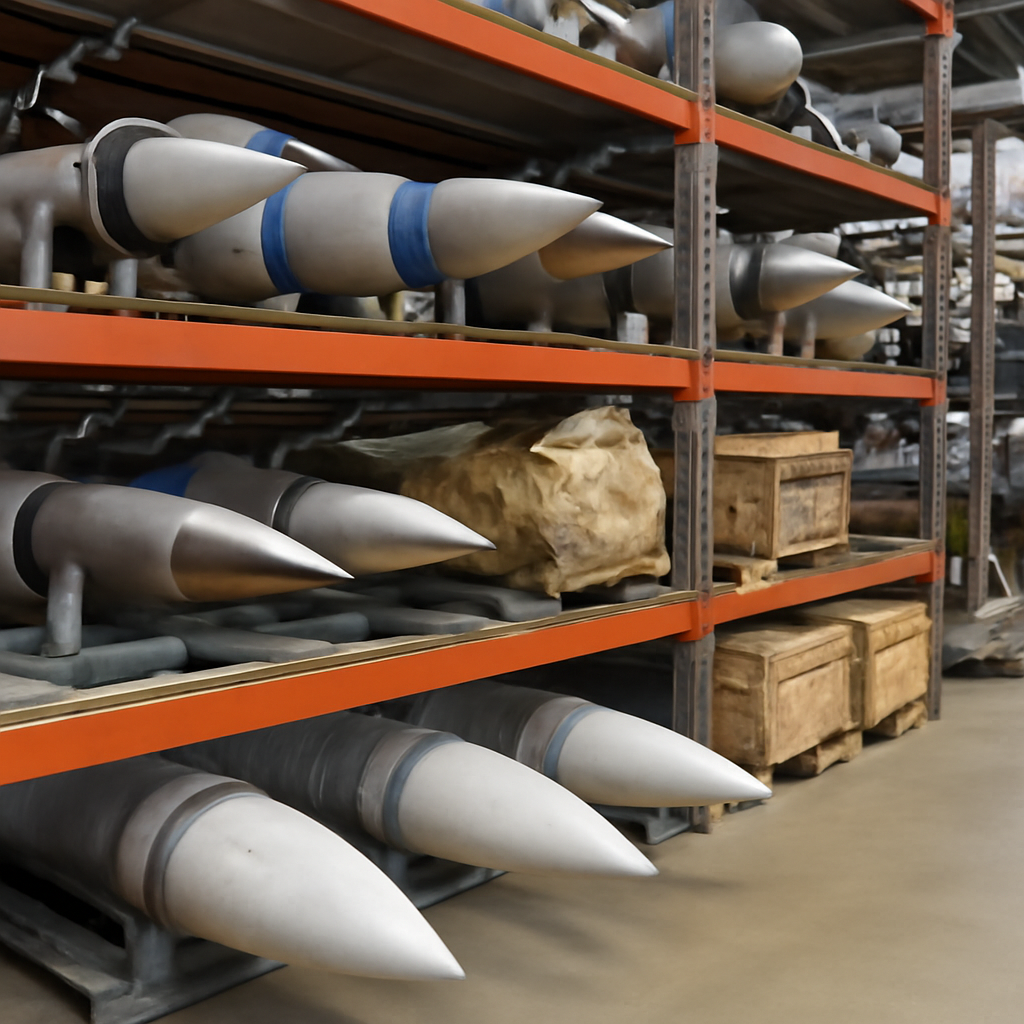
The US air defense systems have proven effective, but their success relies on a dwindling stockpile of crucial components like solid rocket motors, leaving the nation with fewer interceptors and limited options to defend against threats. A balanced approach, or "high-low mix," is urgently needed to address the pressing issue of munitions shortages.

Chinese Investors Secretly Bought SpaceX Stakes Before IPO
Meet the secretive investors who helped skyrocket SpaceX's valuation from $33.3 billion to a staggering $2.7 trillion - and discover how a US-based middleman, Tomales Bay Capital, quietly sold stakes to foreign buyers, including Chinese investors, before the IPO.