Tag: emerging threats
8354 articles

Oracle E-Business Flaw Exploited in Ongoing Attacks
A critical flaw in Oracle E-Business, known as CVE-2026-46817, is being exploited by attackers, allowing them to take over vulnerable systems with just HTTP network access. This highly severe vulnerability, with a CVSS score of 9.8, has now been targeted in real-world attacks, with security researchers observing exploitation attempts on Oracle E-Business honeypots.

Anthropic Bolsters AI Models with Enhanced Security Guardrails
Anthropic is stepping up its AI security game with enhanced guardrails, but acknowledges a trade-off: its new classifier may flag more harmless requests during everyday coding and debugging tasks. The company is moving forward with redeploying its advanced models, Claude Mythos 5 and Claude Fable 5, starting July 1.

Microsoft Accelerates Post-Quantum Cryptography Migration to 2029
Microsoft is speeding up its transition to post-quantum cryptography, aiming to integrate quantum-safe security into its critical products and services by 2029, in response to rapid advancements in quantum computing. This accelerated timeline is part of its effort to stay ahead of emerging threats and secure trust chains.
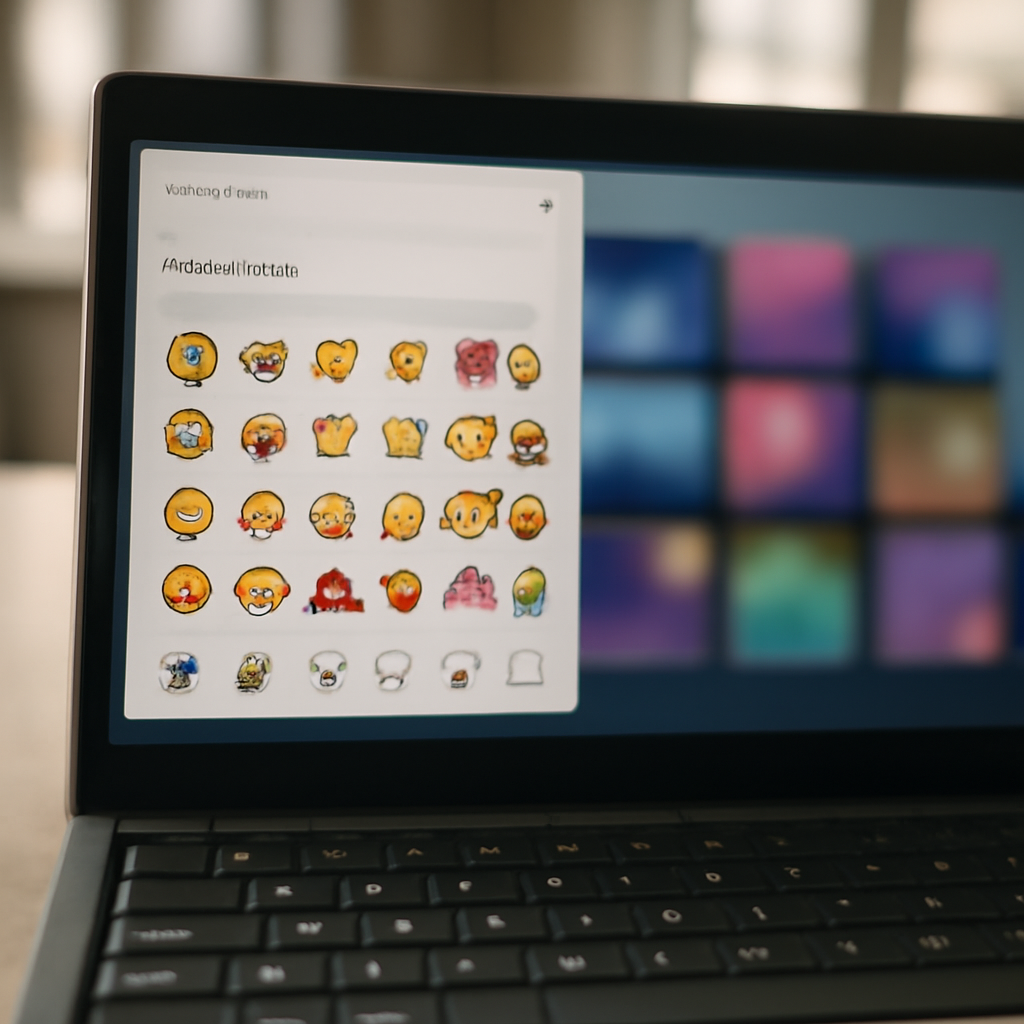
Microsoft Restores GIF Functionality in Windows Emoji Panel After Provider Shutdown
Microsoft has restored GIF functionality in the Windows Emoji Panel after a brief outage caused by the retirement of the Tenor GIF service, and has since switched to a new provider, GIPHY, to keep the fun going. The update, KB5095093, fixes the issue that left some users seeing a "GIF service is not available" message.

Microsoft Accelerates Post-Quantum Cryptography Push by 2029
Microsoft is speeding up its post-quantum cryptography push, aiming to complete the transition by 2029, as advances in quantum research increase the urgency to protect against potential cyber threats. The move is driven by the risk of cryptographically relevant quantum computers emerging sooner than expected, capable of cracking current encryption methods.

Amazon Fined $2.25M for Withholding Fraud Evidence
Amazon has been fined $2.25 million for allegedly blocking identity-theft victims from accessing records of fraudulent transactions, violating the Fair Credit Reporting Act. The company reportedly told some consumers that they couldn't access the requested records, adding to the frustration of those trying to recover from scams.

Aflac Japan Discloses Data Breach Compromising Millions
Aflac Japan has suffered a massive data breach, exposing sensitive personal and financial information of nearly 4.4 million customers after a mysterious hacker gained access to company systems for 10 days in June. The breach, confined to Aflac's Japanese operations, has sparked an ongoing investigation into its full impact.

AI Models Expose Millions to Phantom Squatting Phishing Threat
Millions are now at risk of falling prey to a new, rapidly evolving phishing threat called phantom squatting, where attackers exploit AI-generated links to create malicious websites that can evade detection. By registering domains invented by large language models, hackers can create seemingly trustworthy sites that are actually designed to steal sensitive information or spread malware.

US Lifts Export Controls on Anthropic's AI Model Fable 5
Big news: the US has lifted export controls on Anthropic's AI model Fable 5, allowing it to be accessible to users worldwide again after a brief shutdown. This comes after Anthropic made significant strides in curbing a concerning technique, successfully stopping it in over 99% of attempts.

Adobe Fixes Seven High-Risk Flaws in ColdFusion, Campaign Platforms
Adobe is urging administrators to act fast and install a critical security update within 72 hours to patch seven high-risk vulnerabilities in its ColdFusion and Campaign Classic platforms that are being targeted by hackers. This update fixes maximum-severity flaws that could put your systems at risk if left unaddressed.

Researcher Exposes API-Driven Malware Delivery in ClickFix Campaigns
Security researcher Bert-Jan Pals' in-depth analysis of 3,000 live payloads reveals that the ClickFix campaign's API-driven malware delivery method is rapidly evolving, making it a persistent threat that's hard to defend against. This sneaky tactic moves malicious actions off the page and into backend services, issuing commands on demand with fresh disguises on every request.

Azure CLI Hit by Massive Password Spray Attack Targeting 78 Accounts
In a staggering display of cyber aggression, a threat actor launched a massive password spray attack on Microsoft's Azure CLI, racking up over 81 million login attempts and breaching at least 78 accounts across 64 organizations in just two weeks. The relentless campaign, which unfolded between June 12 and June 26, successfully compromised accounts at an alarming rate of two to four per day, with some days seeing spikes of up to 30 breaches.

China Unveils Mobile Electromagnetic Aircraft Catapult in Action
China is taking a giant leap forward with its cutting-edge Electromagnetic Aircraft Catapult, now showcased in action on a mobile, three-truck system that's capable of launching drones and potentially even manned aircraft. The country is even eyeing an ambitious production target of 2,000 of these innovative systems per year.

Sweden Bolsters Ukraine's Air Defense with Gripen E Fighter Jets
Sweden is taking a powerful stance in support of Ukraine's defense with the provision of 16 cutting-edge Gripen E fighter jets, a game-changing addition to the Ukrainian Air Force's capabilities. This historic deal, valued at approximately $2.5 billion, marks a significant boost to Ukraine's air defense.

Ukraine's Fire Point Nears FP-9 Ballistic Missile Flight Test
Ukraine's Fire Point is on the brink of a major milestone with its FP-9 Ballistic Missile, having completed all major development work except for engine testing, which is set to happen this month. The company is aiming for flight tests over the summer, with battlefield trials expected by autumn.

US Navy to Sunk Ticonderoga Cruiser in RIMPAC Wargames
Get ready for the ultimate show of naval power: the US Navy will sink the Ticonderoga cruiser, ex-USS Mobile Bay, during the massive RIMPAC wargames exercise, a biennial spectacle involving 30 nations and 30,000 personnel. This epic drill, taking place in Hawaiian waters, will put tactics and firepower to the test in a live-fire sinking exercise.

LLMs Expose Software Supply Chain to Phantom Squatting Threat
Imagine a hidden threat lurking in the software supply chain, where 250,000 "phantom" domains lie waiting to be claimed by malicious actors - a vulnerability uncovered in a staggering 2.1 million URLs generated by LLMs. This phantom squatting threat has the potential to compromise security, and it's essential to understand its scope and impact.

Citrix Discloses High-Severity NetScaler Flaw with CitrixBleed Echoes
Citrix has uncovered a high-severity flaw in its NetScaler appliances, adding to concerns about the trend of fragile memory management in these systems, which can lead to sensitive data leaks with just a misconfiguration. This latest vulnerability, CVE-2026-8451, was discovered by watchTowr researchers and is part of six newly disclosed vulnerabilities in Citrix's NetScaler ADC and Gateway appliances.

Citrix Fixes Flaws in NetScaler Software Exposing Users to File Reads and DoS Attacks
Citrix has patched six high-risk vulnerabilities in its NetScaler software, including flaws that could expose users to file reads and devastating denial-of-service attacks. These critical updates address issues with CVSS scores as high as 8.8, emphasizing the urgent need for users to apply the fixes.

Organizations Lag in AI Usage Visibility, Exposing Security Gaps
Most organizations are flying blind when it comes to AI usage, with nearly half of respondents citing internal AI systems and Large Language Models as their top security concern, yet many still underestimate the risks of employees sharing sensitive data with public LLMs. This blind spot leaves a gaping hole in their security defenses.

Anthropic Restores Claude Fable Access After US Lifts Export Curbs
Big news: Anthropic is restoring access to its powerful Claude Fable model after the US Department of Commerce lifted export controls, and you can expect Fable 5 to be back online starting Wednesday. The update brings new possibilities for users, with Mythos 5 also available, albeit to a select group of corporate partners.

BioShocking Attack Exploits AI Browsers for Data Theft
Researchers have uncovered a chilling new attack, dubbed BioShocking, that exploits AI browsers to steal sensitive data by cleverly tricking them into treating real actions as fictional. This ingenious technique uses a simple game to condition AI agents into accepting fake actions as valid, putting even the most secure systems at risk.

Microsoft Accelerates Quantum-Safe Transition Amid Rising Risks
Microsoft is speeding up its transition to quantum-safe cryptography, aiming to protect critical products and services from the growing threat of quantum computer attacks by 2029. The move is a response to rapid advances in quantum research, which have brought the risks of quantum computing closer than expected.
Malicious PyPI Packages Expose Telegram Bot Servers to Hacker Control
Hackers have launched a sneaky attack, hiding malicious code in fake Python packages on PyPI, which can take control of Telegram bot servers and give attackers access to sensitive info like chats, contacts, and environment variables. This backdoor can be activated with a simple command, allowing attackers to execute any Python code on the victim's machine.