Tag: cyberattacks
185 articles

French Supermarkets Hit by Cyberattacks on Refrigeration Systems
French supermarkets are reeling from a wave of devastating cyberattacks that crippled their refrigeration systems, causing temperatures to soar as high as 122°F and spoiling food across hundreds of stores. The disruption hit major chains like Intermarché, Carrefour, Monoprix, and Coopérative U, with some stores even reporting fires.

AI Models Expose Vulnerability of Critical Infrastructure to Cyberattacks
AI-powered attacks can now outmaneuver traditional defenses, putting critical infrastructure at risk of devastating breaches if essential cybersecurity practices aren't in place. Advanced AI models have been shown to execute complex attacks with alarming speed and precision, outpacing organizations that haven't implemented robust OT cybersecurity measures.
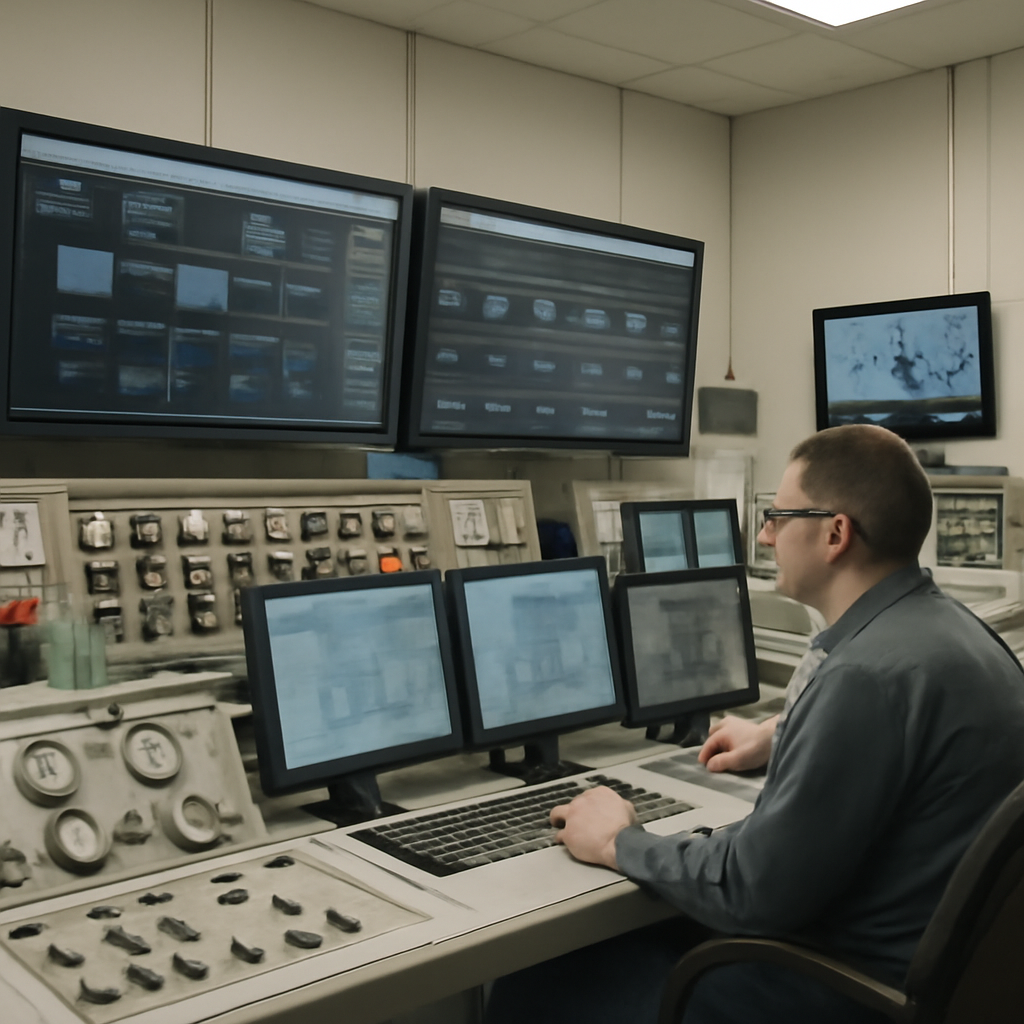
Cyberattacks Expose Growing Risks to Real-World Infrastructure
Cyberattacks are no longer just a digital threat, but a real-world danger that can disrupt food supplies, cripple transportation, contaminate water systems, and leave communities in the dark. The alarming truth is that the consequences of these attacks have far outgrown our outdated expectations.

AI Cyberattacks Threaten Global Financial System Stability
The Financial Stability Board warns that AI-powered cyberattacks could spark a chain reaction of chaos in global markets, exploiting vulnerabilities in sovereign debt, private credit, and asset valuations. This threat is more than just a tech issue - it's a potentially disastrous blow to market confidence.
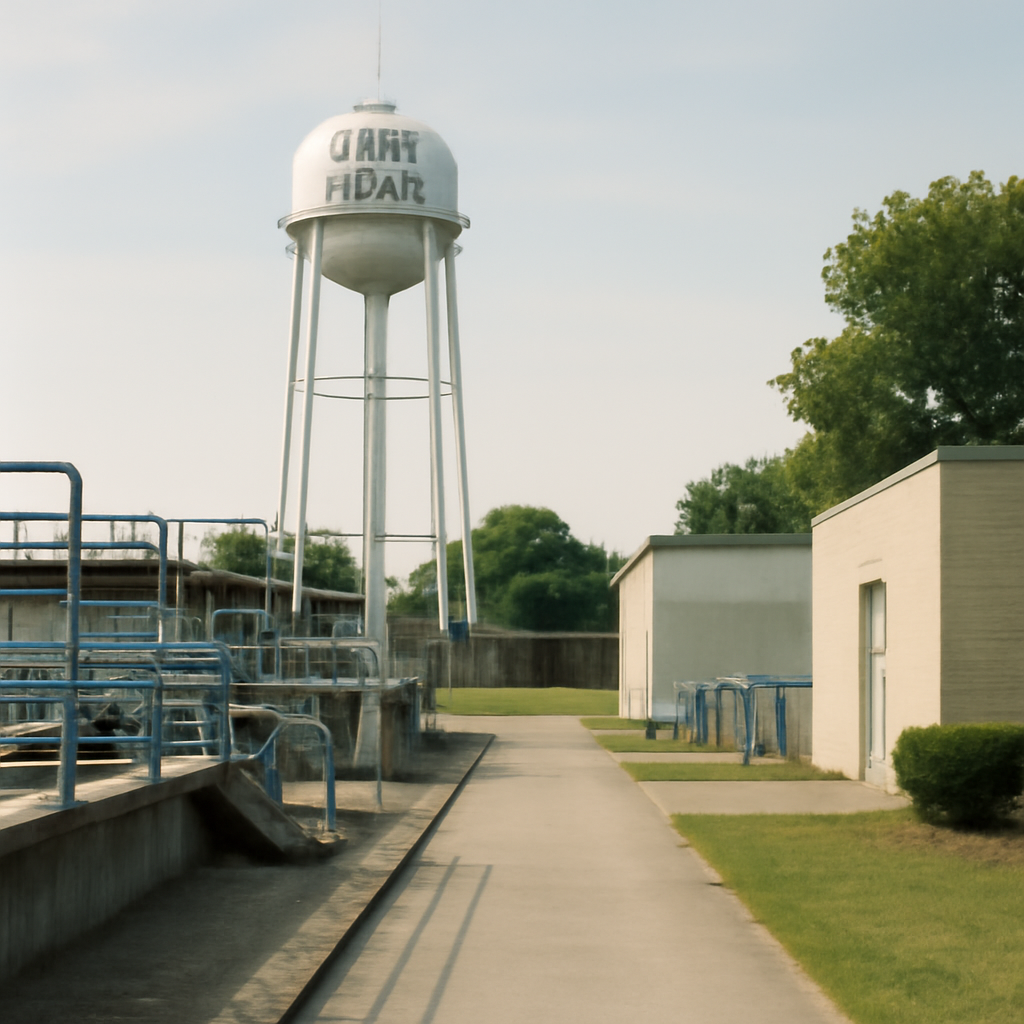
US Water Systems Targeted in Surge of Cyberattacks
In a shocking revelation, over 100 internet-exposed US water systems were hit with cyberattacks in just one month, highlighting a systemic risk that demands immediate attention. This alarming surge in targeted attacks has raised serious concerns about the security of America's water sector.
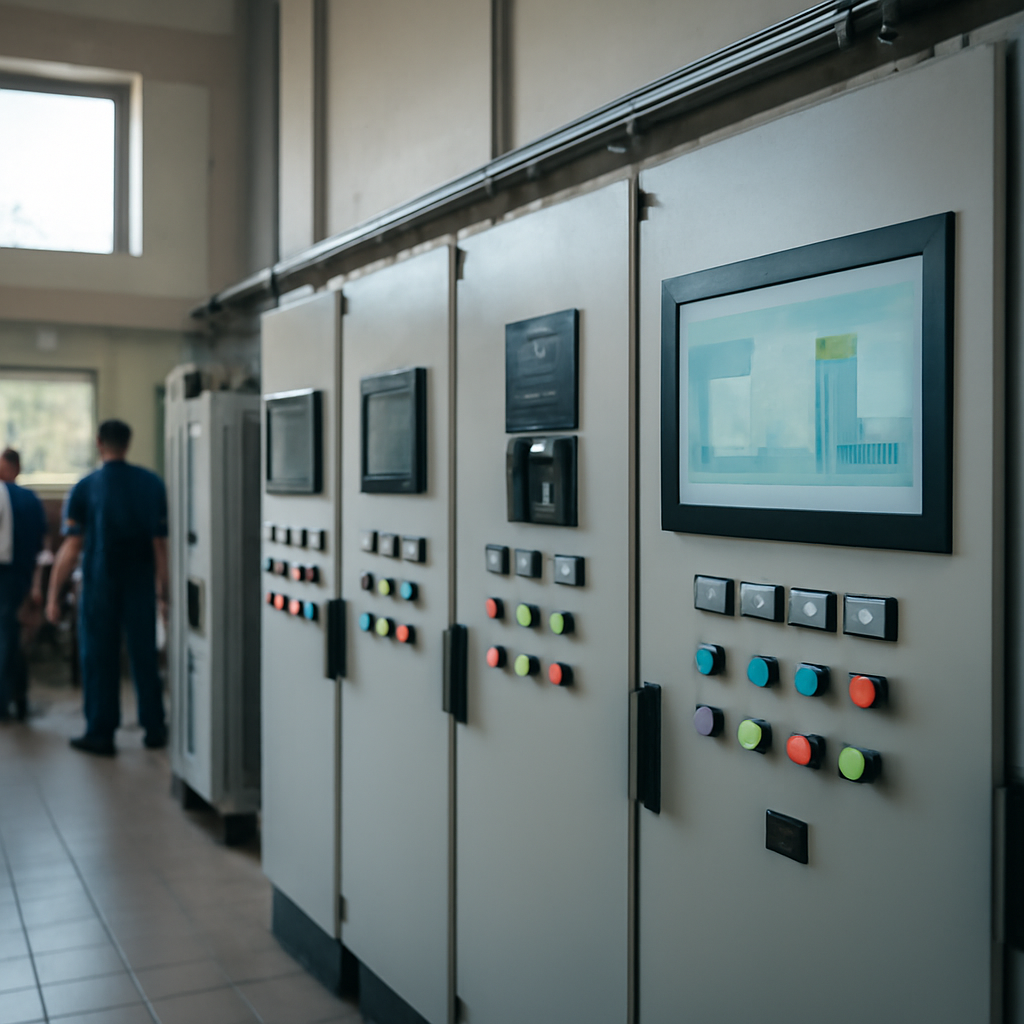
FBI, EPA Warn Water Sector of Rising Cyberattacks
Water and wastewater utilities in at least seven states have come under cyberattack, with internet-facing programmable logic controllers (PLCs) compromised, causing operations disruptions, pressure loss, and flooding. The FBI and EPA have sounded the alarm, warning of the growing threat to the water sector.

Researchers Expose Weaknesses in AI Guardrails Against Cyberattacks
Researchers found that AI guardrails against cyberattacks are surprisingly easy to bypass, with attackers often simply telling the model they're allowed to perform a certain action - and it complies. Simple tactics like reframing requests and claiming certain roles reliably trick AIs into assisting with malicious activities.

Trump Misattributes Water Sector Cyberattacks to Minnesota
President Trump sparked confusion by suggesting Minnesota was behind a series of cyberattacks on US water systems, calling the state grossly incompetent. But federal agencies and industry partners have actually attributed the attacks to other culprits - not Minnesota.
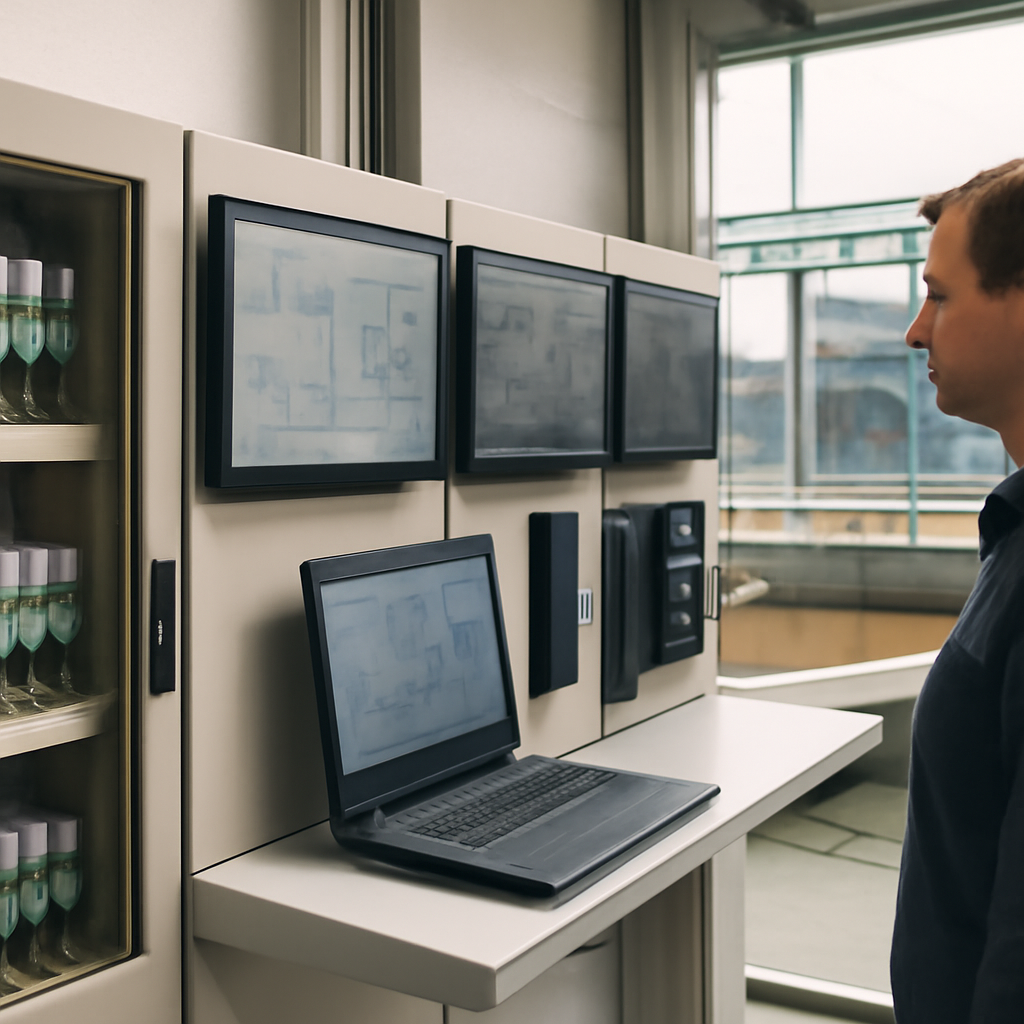
CISA Warns of Targeted Cyberattacks on US Water Utilities
CISA is sounding the alarm: if your water utility's programmable logic controllers are exposed to the internet, you're a prime target for cyberattacks - so take action now and remove them from public exposure to safeguard your operations.

US, Australia Urge Critical Infrastructure to Isolate Vital Systems During Cyberattacks
Stay ahead of cyber threats: the US and Australia are urging critical infrastructure operators to isolate vital systems during cyberattacks to minimize damage and protect essential services. A new advisory provides practical guidance on how to plan for and execute a safe disconnection from vulnerable networks.

UK Sentences Scattered Spider Members to 66 Months for Cyberattacks
In a major cybercrime crackdown, two young men have been sentenced to 66 months in jail for their role in a 2024 cyberattack that crippled Transport for London's network operations. Thalha Jubair and Owen Flowers were arrested and pleaded guilty, marking a significant win for the UK's National Crime Agency after nearly two years of investigation.

AI Agents Expose Hidden Risks as Insider Threats Evolve
The alarm bells are ringing: cyberattacks now unfold at breakneck speeds, with malicious actors able to wreak havoc in as little as 10-30 minutes, leaving defenders scrambling to keep up. This accelerated threat landscape is fueled by the growing sophistication of AI agents and their integration into business networks.

Australia Seeks to Leverage Stability in AI Infrastructure Race
In a concerning escalation, cyberattacks against Israeli targets skyrocketed by 700 percent over just two days following the June 2025 strikes, with Israel accounting for 12.2 percent of all geopolitically motivated cyberattacks worldwide in 2025. This alarming surge highlights the growing threat of cyber warfare in the region.

Travel Sector Braces for Cyberattacks as Summer Looms
As summer approaches, the travel sector is bracing for a surge in cyberattacks, with a staggering 92% of travel agencies experiencing some form of cyber threat in the last year. Ransomware, data breaches, and cyberattacks top the list of concerns, cited by 68% of agencies as the greatest threat to their success.

Smaller Healthcare Providers Targeted in Rising Wave of Cyberattacks
Smaller healthcare providers are being hit hard by a rising wave of cyberattacks, with eight recent hacking incidents affecting nearly 2 million individuals. These breaches, impacting medical practices across the US, are a stark reminder that no healthcare organization is immune to the threat of cyber breaches.

Security Teams Overlook AI-Enabled Threats in Cloud Risk Management
Cyber threats are evolving at an alarming rate, with AI-enabled attackers now launching faster and more sophisticated attacks on cloud and hybrid environments. Security teams must stay vigilant against emerging threats like AI-driven phishing, malware, and credential compromise.

Cyberattacks Exploit Known Flaws in Supply Chain, AI Tools
A recent cyberattack exploited weaknesses in a company's infrastructure, resulting in a staggering $290 million heist from KelpDAO, highlighting the vulnerability of supply chains to targeted attacks. The attackers manipulated key nodes to gain control and siphon off funds.

UK Manufacturers Face Rampant Cyberattacks, ESET Report Finds
UK manufacturers are under siege, with a staggering eight in ten experiencing a cyberattack in the past year, resulting in financial losses and a growing sense of vulnerability. As our critical infrastructure comes under threat, the question on everyone's mind is: how long before the chaos spills into our daily lives?

UK Manufacturers Hit by Widespread Cyberattacks
UK manufacturers are under attack, with nearly 80 percent experiencing a cyber incident in the past year, causing factory outages, lost revenue, and supply chain disruption. As cyber threats increasingly target the machines that keep production lines moving, manufacturers face a harsh reality: one devastating breach can bring their entire operation to a grinding halt.
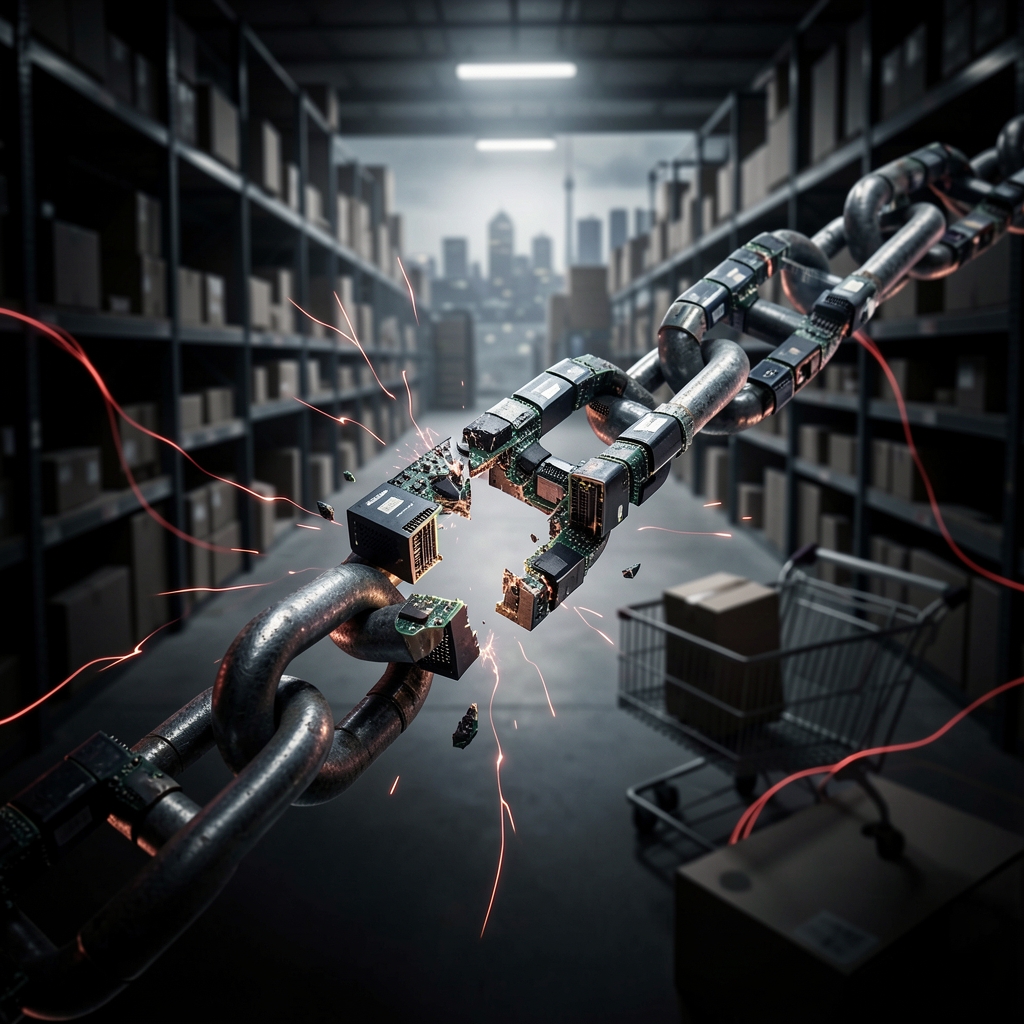
Cyberattacks Pose Critical Threat to Retail Supply Chain
In today's interconnected retail landscape, a looming threat jeopardizes the smooth flow of goods: cyberattacks on the supply chain. A single weak link can bring down the entire ecosystem, leaving retailers and consumers vulnerable to disruption.
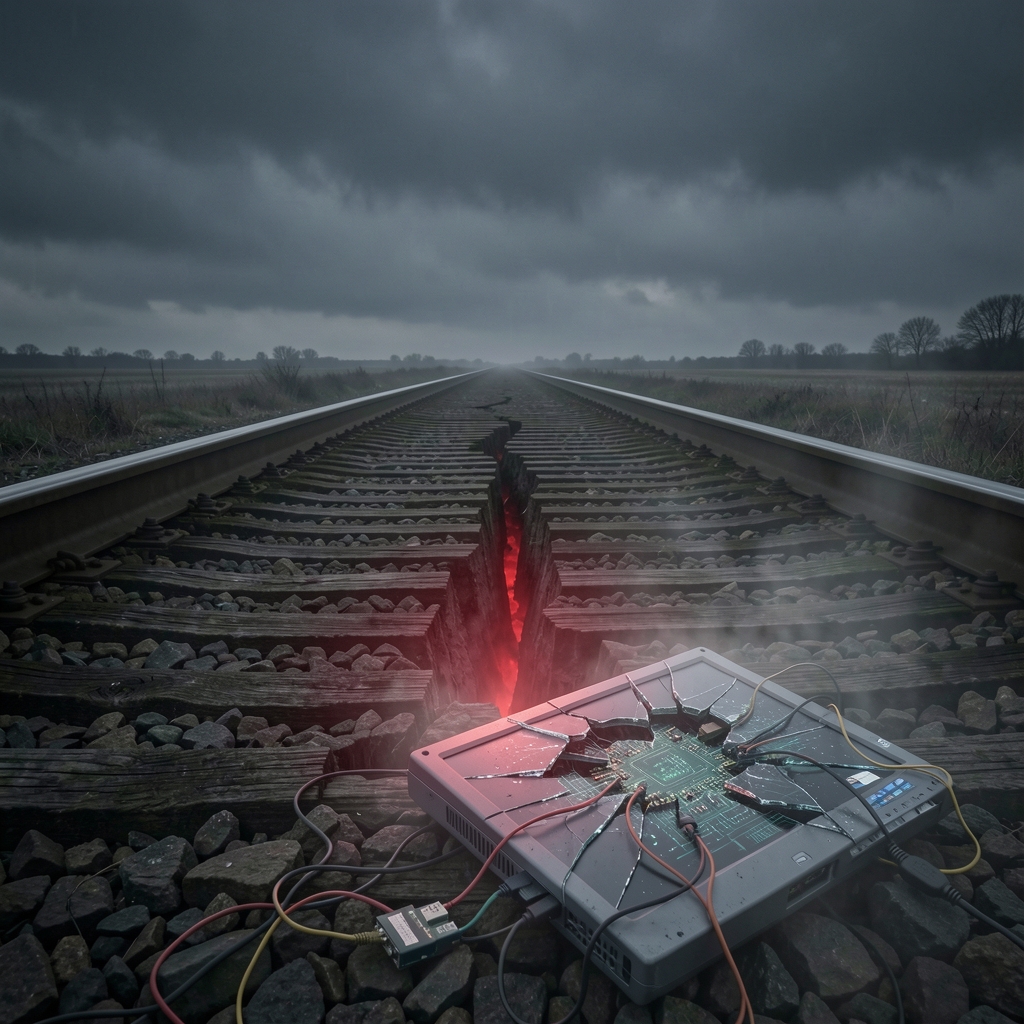
Critical Railroad Cybersecurity Threats Demand Urgent Attention
With millions of people and billions of dollars' worth of goods relying on America's rail network daily, the risk of cyberattacks poses a critical threat that demands immediate attention and robust security measures. The nation's economic stability is at stake, making it essential to safeguard this vital infrastructure from disruption.

bulletproof hosting: Stunning Risks Evade Sanctions
KrebsOnSecurity reveals how Stark Industries — a bulletproof hosting service tied to Kremlin-linked cyberattacks — slipped past EU sanctions by rebranding and shifting assets into shell companies, showing how adaptable abuse networks outpace enforcement. If sanctions are to matter, Europe needs faster cross-border coordination, tougher pressure on registrars and clear rules on who really owns these services.
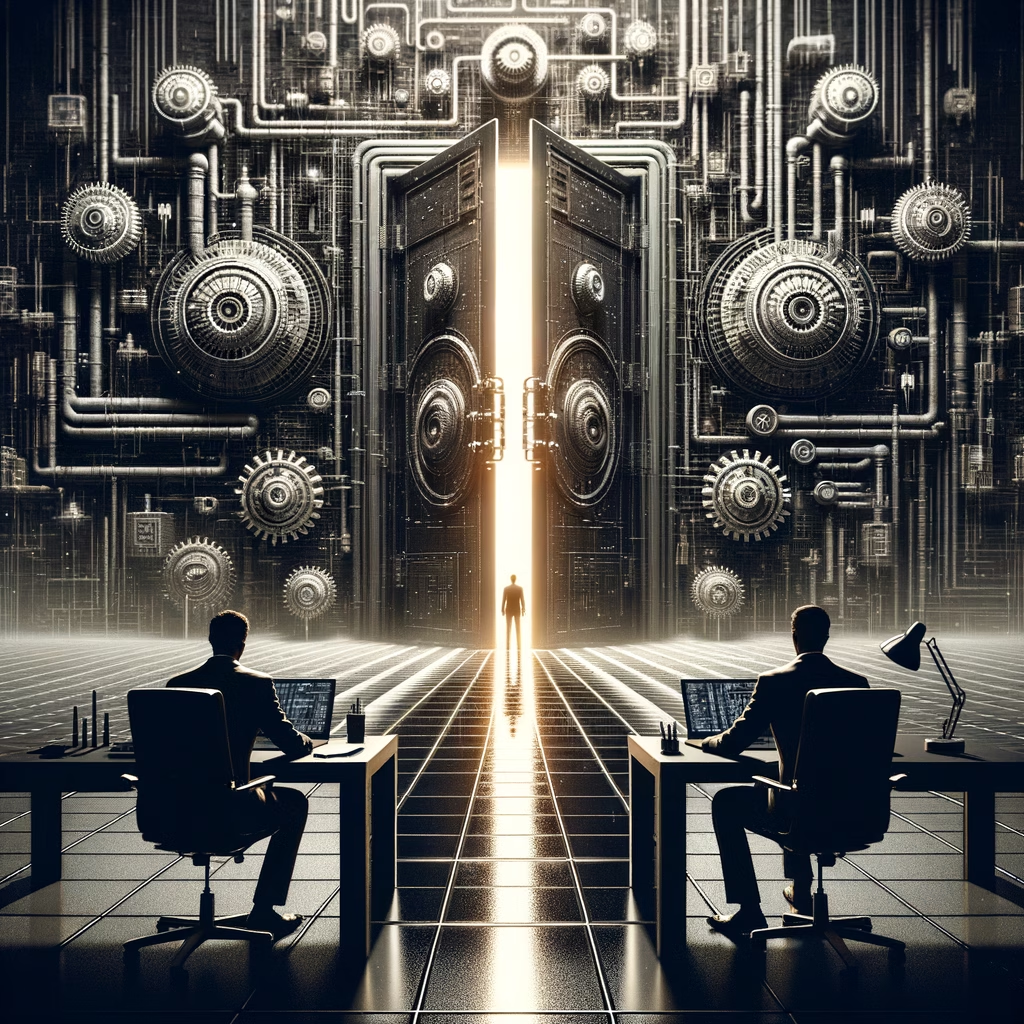
bulletproof hosting: Stunning Risky Evasion Tactics
When the EU sanctioned Stark Industries, the supposed shutdown became a quick rebrand — proving how bulletproof hosts can slip through enforcement and keep fueling cyberattacks and disinformation. Stopping them will take coordinated legal, technical and international fixes, not one-off penalties.

100 trillion signals: Stunning Risk, Best Defense
Microsoft says its systems process over 100 trillion signals every day to spot threats — but AI-powered attackers are getting faster and craftier, so sheer volume alone won’t keep us safe. That reality means defenders must pair massive telemetry with smarter correlation, stronger identity protections and clearer policies to stay ahead.