Tag: cryptography
63 articles

Researchers Quantify Cryptanalysis Effort on Public-Key Algorithms
Researchers may be overestimating the time spent on cryptanalysis of public-key algorithms, with publication-based estimates possibly being far off the actual time spent, according to cryptographer Matthew Green. He developed a unique method to quantify cryptanalysis efforts by analyzing thousands of academic papers.

Federal Agencies Scramble to Fortify Infrastructure Ahead of Post-Quantum Deadlines
The clock is ticking: with post-quantum deadlines looming, federal agencies are racing against time to fortify their infrastructure and shield sensitive transactions from potential cyber threats. By 2030 and 2031, they must adopt post-quantum cryptography to protect high-value assets and digital signatures.

Ransomware Affiliate Betrayal Exposes Insider Threats
A shocking 94% of Internet of Medical Things devices are vulnerable to future "harvest-now, decrypt-later" attacks due to their inability to be upgraded to post-quantum cryptography, leaving sensitive health data at risk. This stark gap in security exposes a critical weakness in healthcare systems.
US Prepares for Quantum Threat to Encryption
The clock is ticking: with Google aiming to adopt post-quantum cryptography by 2029, it's time for Congress and federal agencies to take the quantum computing threat to encryption seriously. A powerful quantum computer could rapidly crack the cryptographic codes that safeguard our emails, finances, and sensitive communications.

Europol, US GAO Warn of Looming Quantum Threat to Global Cryptography
The clock is ticking: Europol and the US GAO are sounding the alarm on the urgent need for post-quantum cryptography to safeguard global security, warning that proactive defence is crucial to protecting cryptocurrencies and more. Immediate action is needed across government and industry to address this looming threat.

AI Decrypts 1809 Cipher
In a groundbreaking feat, artificial intelligence has cracked a 200-year-old cipher written by Napoleon's nephew in 1809. This historic code, shrouded in mystery for centuries, has finally yielded its secrets to the power of AI.

RSA Factoring Attack Evolves Into Faster Forgery Method
Researchers have discovered a way to forge digital signatures on 1024-bit RSA keys, using a massive 1380 CPU core-years of computing power over five months - but here's the catch: it doesn't actually break the keypair. This clever forgery method only works with so-called "pure signatures" created with RSA and no extra formatting.

AI Model Cracks Unbroken Enigma Code
In a stunning breakthrough, a single instruction to GPT6 Astra led to the cracking of an unbroken Enigma code, with the AI model autonomously analyzing and targeting a specific message. This impressive feat has left experts amazed, with one blog post describing it as "pretty amazing".

AI Deciphers 370-Year-Old Cipher in Minutes
In just 44 minutes, Claude Fable 5.1 cracked a 370-year-old cipher that had stumped codebreakers for centuries. This impressive feat showcases the incredible potential of AI-powered cryptography!
G7 Urges Industry to Accelerate Post-Quantum Encryption Defenses
The G7 cybersecurity working group is sounding the alarm: many organizations are neglecting to prepare for the quantum threat, and it's time to prioritize post-quantum encryption defenses to safeguard critical systems and data. Don't wait - the transition to post-quantum cryptography is a business risk that requires immediate attention and coordinated action.

Google Cloud Accelerates Post-Quantum Security Push with 2027 Milestone
Google Cloud is proactively bolstering its defenses against future quantum computer threats, aiming to complete a major milestone in its post-quantum security migration by 2027. The tech giant has mapped out a multi-year plan to adopt quantum-resistant cryptography, tackling key risks in data security and digital signatures.
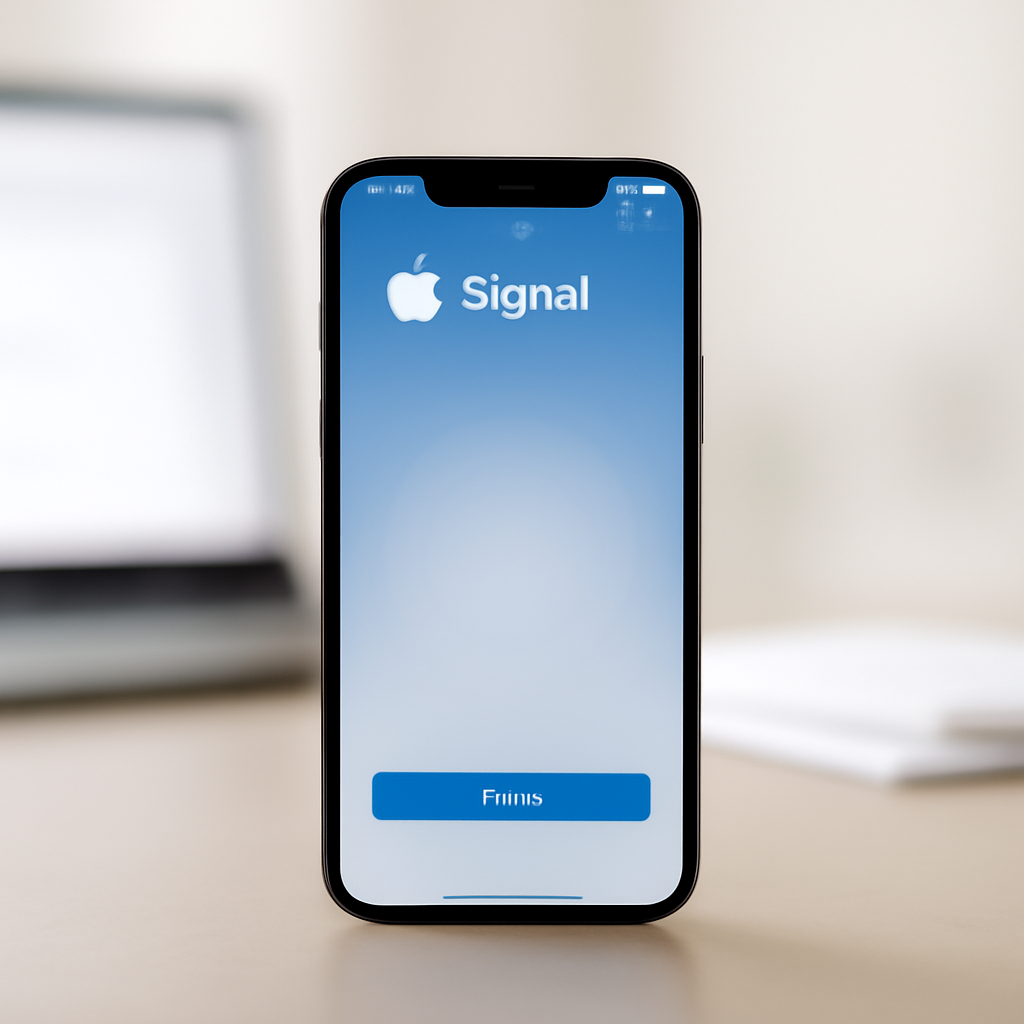
Signal Bolsters Encryption with Automatic Key Verification Feature
Say goodbye to the hassle of manually verifying safety numbers - Signal's new Automatic Key Verification feature adds an extra layer of protection to ensure your encrypted chats remain private and secure. This innovative update lets you confirm your chats haven't been intercepted, without needing to meet in person or use another channel.

Signal Bolsters Encryption with Automatic Key Verification
Say goodbye to encryption anxiety - Signal's new Automatic Key Verification feature lets you easily confirm that your contacts' public keys match up, with just a tap and a reassuring green checkmark. Simply hit the "Verify automatically" button in your contact's profile, and breathe easy knowing their key is secure.

Python Ecosystem Integrates Post-Quantum Encryption Standards
The Python ecosystem just got a major boost in security with the integration of post-quantum encryption standards, making it easier to future-proof your systems. The popular pyca/cryptography library now supports ML-KEM and ML-DSA, the NIST-standard primitives for secure key establishment and digital signatures.
US Government Accelerates Post-Quantum Cryptography Transition
The US government is taking a proactive approach to stay ahead of emerging threats by accelerating its transition to post-quantum cryptography, a critical step in safeguarding federal systems against advanced cryptographic attacks. A new Executive Order is driving this effort, requiring federal agencies to rapidly adopt this next-generation security measure.

Claude AI Exposes Faster Attacks on Post-Quantum Cryptography Scheme HAWK, AES
Anthropic's Claude AI has made a groundbreaking discovery, cracking a post-quantum cryptography scheme in just three hours and 42 minutes on a 96-core server. The AI, specifically Mythos Preview, uncovered a hidden symmetry that paved the way for a direct key-recovery path.

Encryption Debate Intensifies as Governments Target End-to-End Security
Limiting end-to-end encryption would have far-reaching and devastating effects on cybersecurity, commerce, and government operations. Governments worldwide are pushing laws to restrict this vital security measure, sparking a heated debate about the future of online protection.
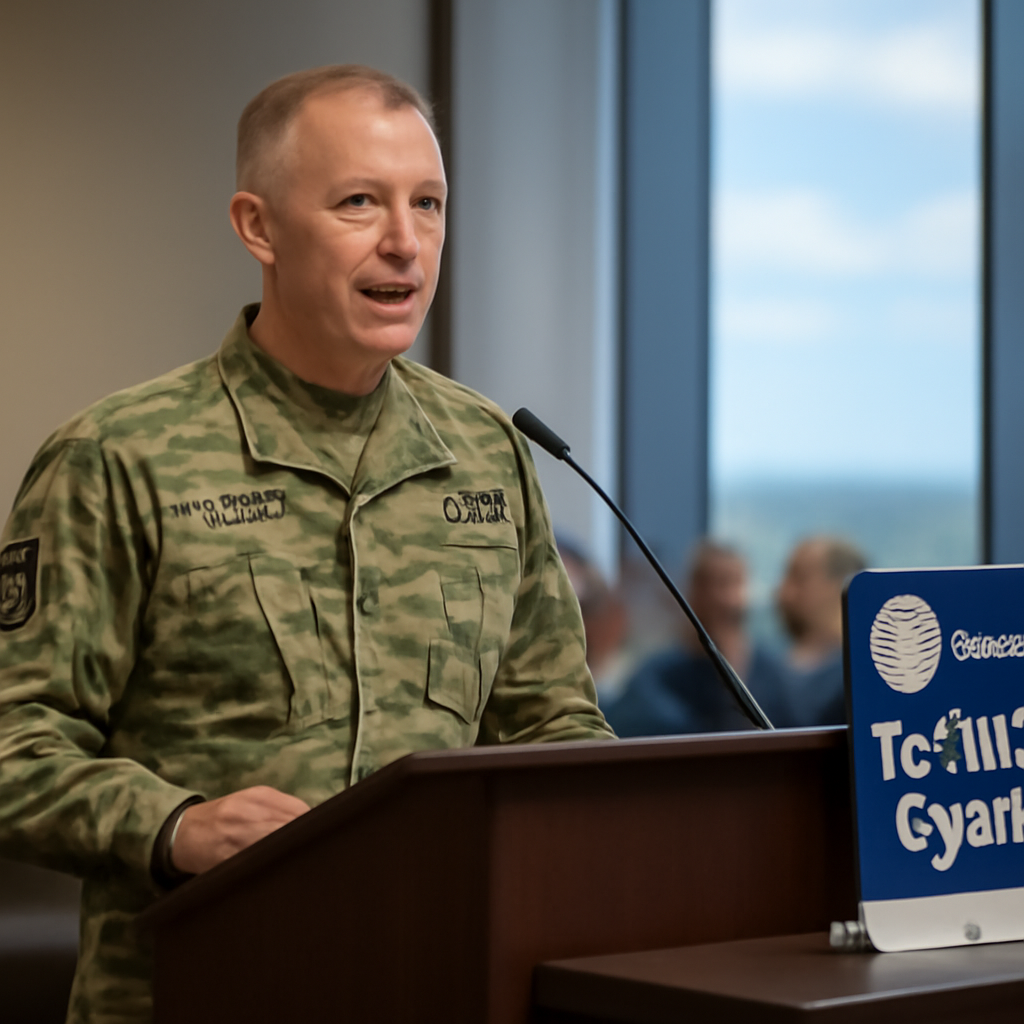
US Defense Pushes Post-Quantum Cryptography Amid AI Adoption Drive
The US Defense Department is rallying the troops - literally - to tackle the challenges of modernization, with Lt. Gen. Paul Stanton calling for a united front between government and industry to safeguard the nation's digital future. It's a call to action that's resonating loud and clear, with collaboration and platforms taking center stage over isolated solutions.

Turing's Voice Encryption System Uncovered in Wartime Papers
A treasure trove of wartime papers, known as the "Bayley papers," has surfaced in London, selling for nearly $500,000 and revealing groundbreaking details about Alan Turing's pioneering voice encryption system. This long-hidden collection has finally been transferred into the public sphere, offering historians and technologists a fascinating glimpse into Turing's secret work.

Post-Quantum Cryptography Gains Urgent Momentum
In a major milestone, over 70% of human-generated HTTPS requests are now secured with post-quantum key exchange, according to Cloudflare's latest telemetry data, marking a significant leap towards a more secure digital future. This rapid adoption signals that post-quantum cryptography is no longer just an experiment, but a vital protection for billions of online requests every day.

Microsoft Accelerates Post-Quantum Cryptography Push by 2029
Microsoft is speeding up its post-quantum cryptography push, aiming to complete the transition by 2029, as advances in quantum research increase the urgency to protect against potential cyber threats. The move is driven by the risk of cryptographically relevant quantum computers emerging sooner than expected, capable of cracking current encryption methods.

Microsoft Accelerates Quantum-Safe Transition Amid Rising Risks
Microsoft is speeding up its transition to quantum-safe cryptography, aiming to protect critical products and services from the growing threat of quantum computer attacks by 2029. The move is a response to rapid advances in quantum research, which have brought the risks of quantum computing closer than expected.
Weak RSA Keys Exposed in Widespread Use
Meet the badkeys project, an open-source service that scans public keys for vulnerabilities, which recently uncovered a surprising pattern of weak RSA keys in widespread use. By analyzing a massive dataset of real-world public keys, the team discovered a substantial number of keys with a suspicious structure, featuring regularly spaced blocks of zero bits and random data.

Pentagon Unveils Quantum Strategy to Fortify Cryptography Defenses
The Pentagon is bolstering its defenses with a new quantum strategy, aimed at safeguarding its systems for decades to come, Chief Information Officer Kirsten Davies announced. This forward-thinking plan will help mitigate the risks of emerging quantum capabilities and modernize defense networks.