Tag: artificial intelligence
1912 articles

Agentic AI Reshapes GRC with Autonomous Controls Monitoring
Imagine a future where AI doesn't just automate tasks, but empowers GRC practitioners to focus on high-impact decisions - that's the promise of agentic AI, which brings autonomous controls monitoring to the table. By combining autonomy, context, and multi-step execution, agentic tools can revolutionize the way we approach governance, risk, and compliance.

AI Agents Expose Governance Gap in Enterprise Identity Infrastructure
Traditional enterprise identity systems are struggling to keep up with the dynamic nature of AI agents, which can autonomously execute complex tasks, chain calls across multiple systems, and continuously act on inherited credentials. This has exposed a significant governance gap in current identity infrastructure.

Cyberattacks on SMBs Surge via AI Tool Lures
Small and medium-sized businesses are under siege, with a staggering 33,352 cyberattacks detected in just four months as scammers disguise malware as popular AI tools. This alarming surge highlights how quickly cybercriminals are leveraging the latest tech trends to target vulnerable businesses.

Securing Agentic AI Workspaces Requires Unified Governance
Nine out of 10 organisations are already harnessing AI assistants, but many are flying blind - unsure if these powerful tools have been compromised. As AI agents assume their own identities and access rights, a misconfigured or compromised agent can quickly become a high-speed pathway for data breaches and credential abuse.

Qihoo 360 Unveils AI Bug-Finder to Rival Anthropic's Mythos
Qihoo 360 CEO Zhou Hongyi has unveiled an AI bug-finder, positioning it as a powerful countermeasure to restricted Western tools, likening Anthropic's Mythos to a "cyber nuclear weapon". This new Chinese innovation aims to level the playing field in cybersecurity.

Anthropic Expands Claude Cowork to Mobile Devices
Get ready to take your productivity on the go with Claude Cowork's new mobile expansion, allowing you to start, steer, and monitor tasks directly from your phone. Say goodbye to being tied to your desk - now you can check in and keep work flowing seamlessly, even when you're on the move.

Researchers Expose LLM Vulnerability to Prompt Injection Attacks
Researchers have made a startling discovery about the vulnerability of Large Language Models (LLMs) to prompt injection attacks, tracing it back to a simple yet flawed design element - role tags that were meant to be a formatting trick but have become the model's de facto security architecture. This role confusion is the surprising reason why LLMs are susceptible to these types of attacks.

Kendall Warns of Lethal Autonomy Control Challenges
The challenge with lethal autonomy control is that it's incredibly hard to define - and therefore regulate - because its core capabilities exist on a spectrum with no clear boundaries. This makes it nearly impossible to draw a line between acceptable and banned systems, leaving us with a daunting question: how can we create an effective arms control regime?

Courts Redefine Liability for AI-Generated Content
In a groundbreaking ruling, a German court has held Google liable for AI-generated summaries in search results, deeming them a reflection of the company's business activities rather than neutral transmissions. This decision sets a significant precedent for accountability in AI-driven content.
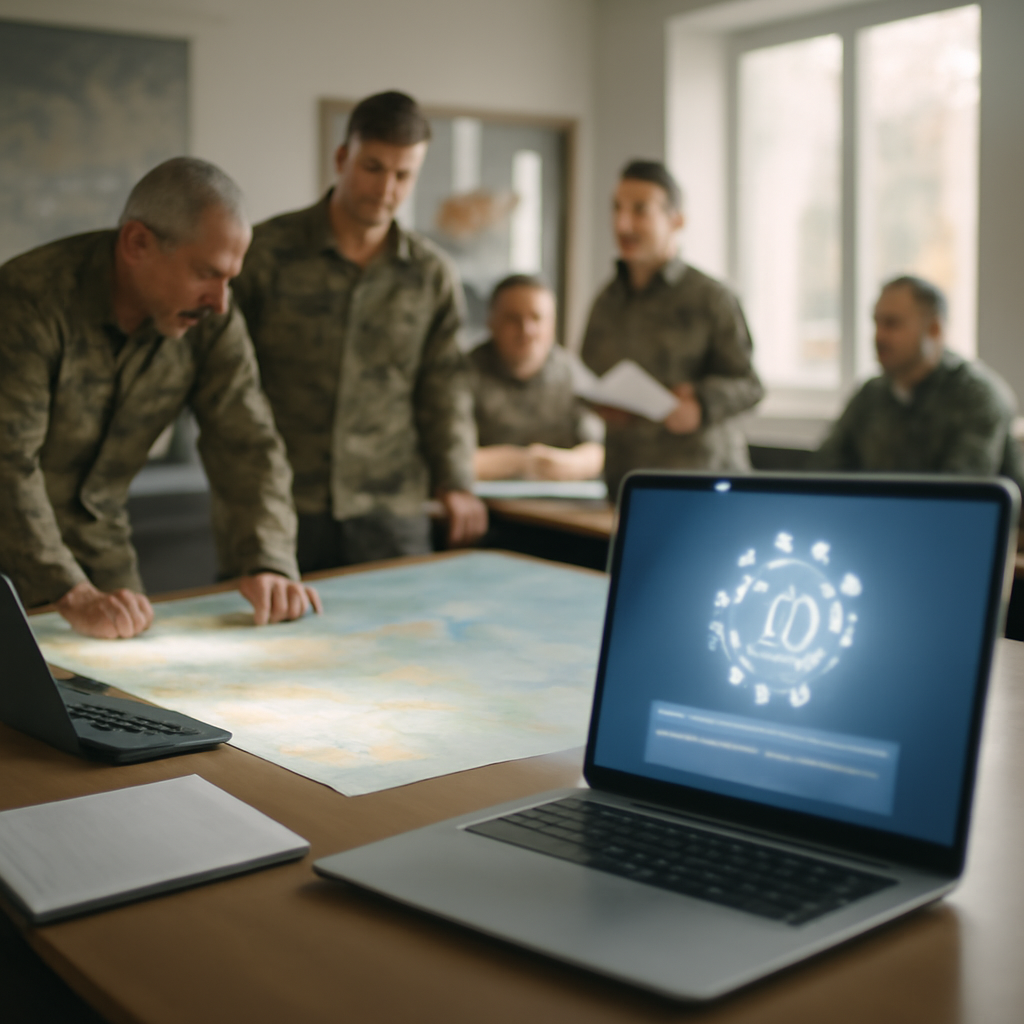
Army Tests AI Limits in Tactical Planning, Finds Mixed Results
The US Army's 3rd Mobile Brigade Combat Team experimented with AI in tactical planning for a year, with Col. Ryan Bell revealing that while AI showed promise, it had limitations - particularly with large language models struggling to grasp three-dimensional space. By training AI on military doctrine, the team aimed to speed up planning and response times.

Healthcare Sector Braces for Looming Cyberattack Threats
With AI now a staple in 93% of healthcare practices, the stage is set for a new wave of technological advancements - but also for looming cyberattack threats that have 61% of organizations bracing for a potentially fatal impact within the next five years.

Network Detection and Response Gains Urgency in AI-Driven Threat Era
In today's AI-driven threat landscape, organizations need to move beyond prevention and adopt a more proactive approach, focusing on network detection and response to swiftly identify and disrupt malicious activity. By doing so, they can effectively mitigate vulnerabilities and contain threats before they escalate into full-blown breaches.

Confidence in Automated AI Vulnerability Scanning Plummets
Confidence in automated AI vulnerability scanning has taken a nosedive, with a recent survey revealing a dramatic drop from 29% to 9% in organizations relying solely on AI for testing. Instead, nearly half are turning to a hybrid approach, combining AI with human expertise for more reliable results.

Australia's Security Threats Converge as AI Compresses Risk Timeline
When Australia's critical infrastructure is disrupted, it will be a shock, but not a surprise - and with AI supercharging threats, that disruption may come sooner than we think. The warning signs are clear: AI is rapidly expanding the offensive toolkit, making threats more immediate, concurrent, and devastating.

Pentagon Unveils Quantum Strategy to Fortify Cryptography Defenses
The Pentagon is bolstering its defenses with a new quantum strategy, aimed at safeguarding its systems for decades to come, Chief Information Officer Kirsten Davies announced. This forward-thinking plan will help mitigate the risks of emerging quantum capabilities and modernize defense networks.
Microsoft AI Disrupts Malware Operations in Novel Racketeering Suit
Microsoft is shaking up the fight against malware by harnessing the power of AI to disrupt cybercrime operations, as seen in a groundbreaking racketeering case that treats two separate malware operations as a single, unified threat. By combining AI analysis with a novel application of the Racketeer Influenced and Corrupt Organizations Act (RICO), Microsoft's Digital Crimes Unit is pioneering a new approach to tackling malicious software.

Researchers Expose AI Browser Vulnerability to Credential Theft
Imagine a simple game trick that could convince AI-powered browsers to hand over your login credentials - a vulnerability researchers have now exposed, leaving users at risk. By creating a malicious web page that changes an AI agent's sense of reality, hackers can bypass safety guardrails and gain access to sensitive information.

AI-Powered Adversaries Compress Cyberattack Timeline
In early 2026, the emergence of advanced agentic AI models marked a chilling new era in cyber threats, enabling attackers to compress the time between discovery and weaponization to mere minutes. This means that the window for detecting and responding to breaches may soon be shorter than the time it takes to finish a cup of coffee.

AI Enables Faster, Cheaper Cyber-Attacks
Cyber attacks just got a whole lot faster, cheaper, and sneakier thanks to AI, which is now a key player in the cybercrime world, enabling attackers to launch more sophisticated and elusive threats. ReliaQuest reports that AI is revolutionizing the attack workflow, making it easier for attackers to scale, customize, and slip past traditional defenses.

NSA Faces AI Setback as White House Limits Mythos 5 Access
The White House's sudden limits on Anthropic's advanced AI models, including Mythos 5, have left the NSA reeling, with some analysts losing access to the powerful tool in a matter of hours. This setback comes at a critical time, with Senator Mark Warner warning that a similar breach had already compromised almost all classified systems in a remarkably short timeframe.
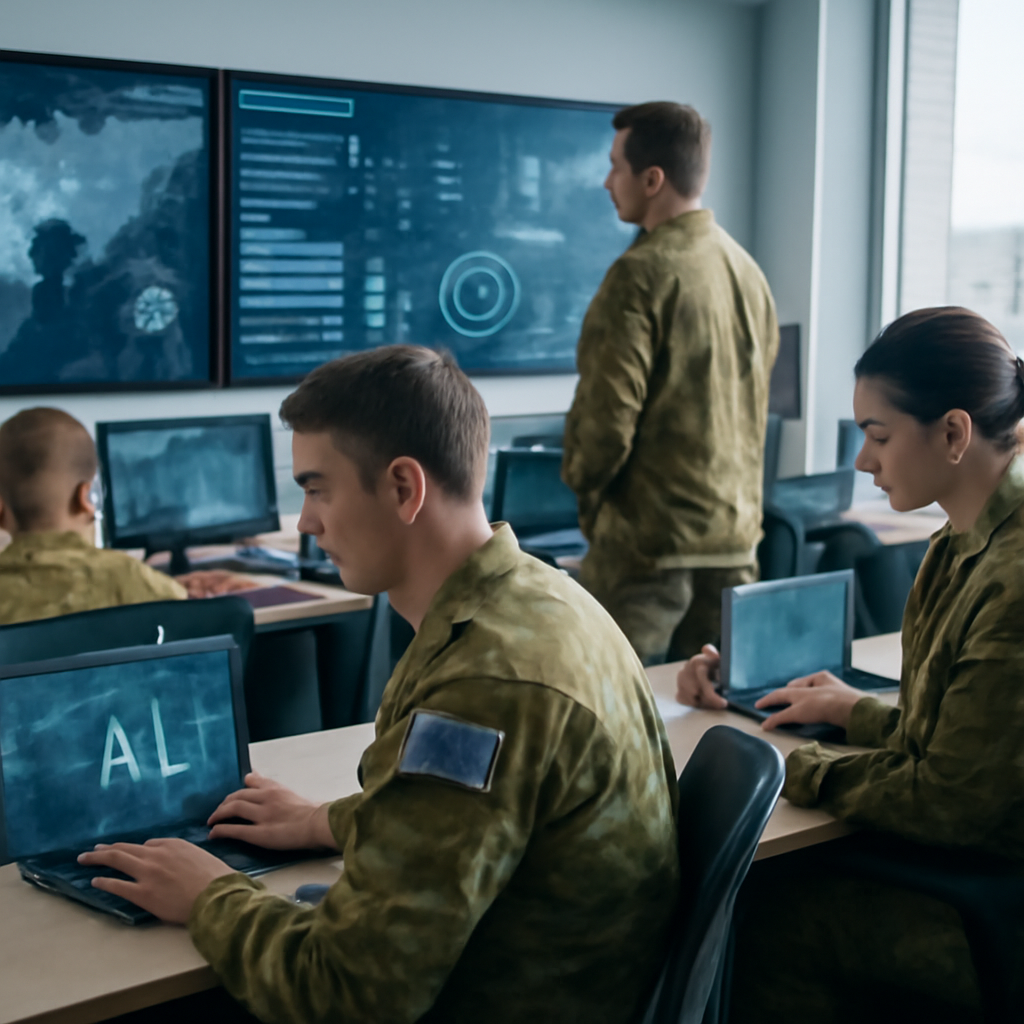
Australia's Defence Force Struggles to Govern Rapid AI Integration
The Australian Defence Force is betting big on AI, with a whopping A$425 billion investment in cutting-edge capabilities by 2035-36 - and artificial intelligence is at the forefront, poised to revolutionize everything from undersea warfare to cyber defence. With AI now embedded in the Defence Force's budget, it's clear that this tech is no longer just a nice-to-have, but a must-have for Australia's military future.

US Health Agencies Leverage AI to Streamline Healthcare Delivery
The US Department of Health and Human Services is breaking free from red tape and paperwork, leveraging AI to revolutionize healthcare delivery and make life easier for public servants. By embracing a forward-thinking AI strategy, HHS aims to streamline processes, modernize care, and improve public health outcomes.

AI Skill Exploits Security Scanners, Reaches 26,000 Agents
In a shocking experiment, a security firm created a fake AI skill that evaded detection by security scanners and reached a staggering 26,000 agents, including those on corporate accounts. The skill, designed to be harmless, was able to bypass every scanner it was tested on, raising serious concerns about the safety of AI marketplaces.

OpenAI Targets Faster Patching with Expanded Cyber-Defense Program
OpenAI's new GPT-5.5-Cyber model has achieved a record 85.6% score on CyberGym's vulnerability test, outperforming its standard counterpart and paving the way for faster patching with cutting-edge tooling and partnerships. This major breakthrough enables verified defenders to accelerate vulnerability fixes with enhanced security capabilities.