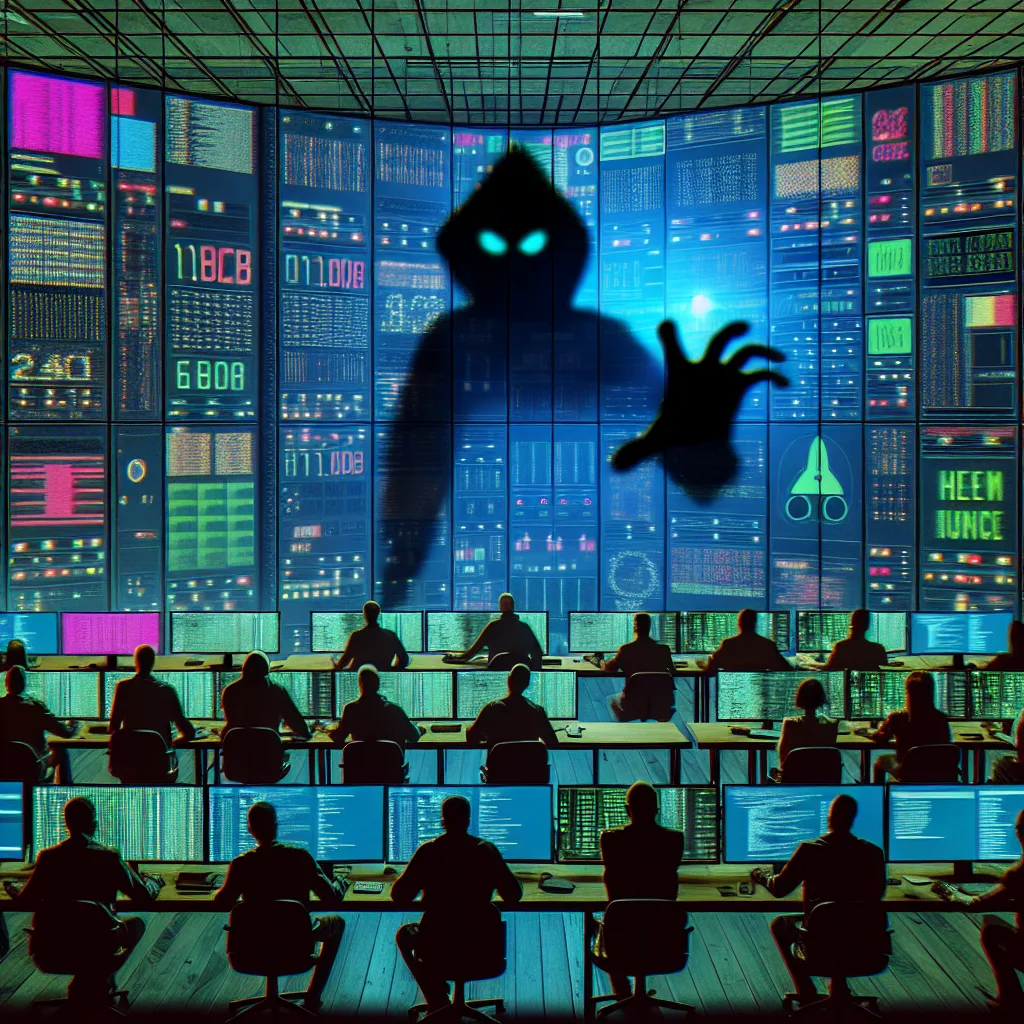
UK Energy Sector Faces Alarming Surge in Cyberattacks: A 586% Increase in Just One Year
As the sun sets over the United Kingdom, the lights flicker in homes across the nation, a reminder of the delicate balance between modern convenience and the unseen threats lurking in the digital shadows. A recent report from KnowBe4 has revealed a staggering 586% increase in cyberattacks targeting the UK energy sector from 2022 to 2023. This alarming statistic raises critical questions about the resilience of the nation’s infrastructure and the implications for public safety and national security.
The energy sector, a backbone of any modern economy, has increasingly become a prime target for cybercriminals and state-sponsored actors alike. With the rise of digital technologies and interconnected systems, the vulnerabilities within these networks have been laid bare, exposing them to a barrage of sophisticated attacks. The KnowBe4 report highlights not only the sheer volume of these threats but also the evolving tactics employed by adversaries, making it imperative for stakeholders to reassess their cybersecurity strategies.
Historically, the UK energy sector has been a focal point for both innovation and vulnerability. The integration of smart grids and IoT devices has revolutionized energy distribution and consumption, but it has also created new entry points for cyberattacks. The 2020 Cybersecurity Strategy for the UK recognized these challenges, emphasizing the need for robust defenses against cyber threats. However, the recent surge in attacks suggests that existing measures may not be sufficient to counter the evolving landscape of cyber warfare.
Currently, the UK is grappling with a series of high-profile incidents that underscore the urgency of the situation. In recent months, several energy companies have reported breaches that compromised sensitive data and disrupted operations. The National Cyber Security Centre (NCSC) has issued warnings, urging organizations to bolster their defenses and remain vigilant against potential threats. The government’s response has included increased funding for cybersecurity initiatives and collaboration with private sector partners to enhance resilience.
Why does this matter? The implications of a compromised energy sector extend far beyond financial losses. A successful cyberattack could disrupt power supplies, endanger public safety, and erode trust in essential services. As the UK transitions towards a greener energy future, the stakes are even higher. The integration of renewable energy sources and the push for electrification of transport systems make the energy grid more complex and, consequently, more vulnerable to cyber threats.
Experts in the field emphasize the need for a multi-faceted approach to cybersecurity. According to Dr. Emma Smith, a cybersecurity analyst at the University of London, “The increase in attacks reflects not only the growing sophistication of cybercriminals but also the need for organizations to adopt a proactive stance. It’s not just about defending against attacks; it’s about anticipating them.” This perspective highlights the importance of continuous training, threat intelligence sharing, and investment in advanced technologies to stay ahead of potential adversaries.
Looking ahead, the trajectory of cyberattacks on the UK energy sector will likely depend on several factors, including geopolitical tensions, technological advancements, and regulatory responses. As nations grapple with the implications of cyber warfare, the UK must remain vigilant and adaptable. Stakeholders should watch for potential shifts in policy aimed at enhancing cybersecurity frameworks, as well as increased collaboration between government and industry to fortify defenses.
In conclusion, the surge in cyberattacks on the UK energy sector serves as a stark reminder of the vulnerabilities inherent in our increasingly digital world. As we navigate this complex landscape, one must ponder: how prepared are we to defend against the unseen threats that could plunge us into darkness? The answer may very well determine the future of our energy security and, by extension, our way of life.