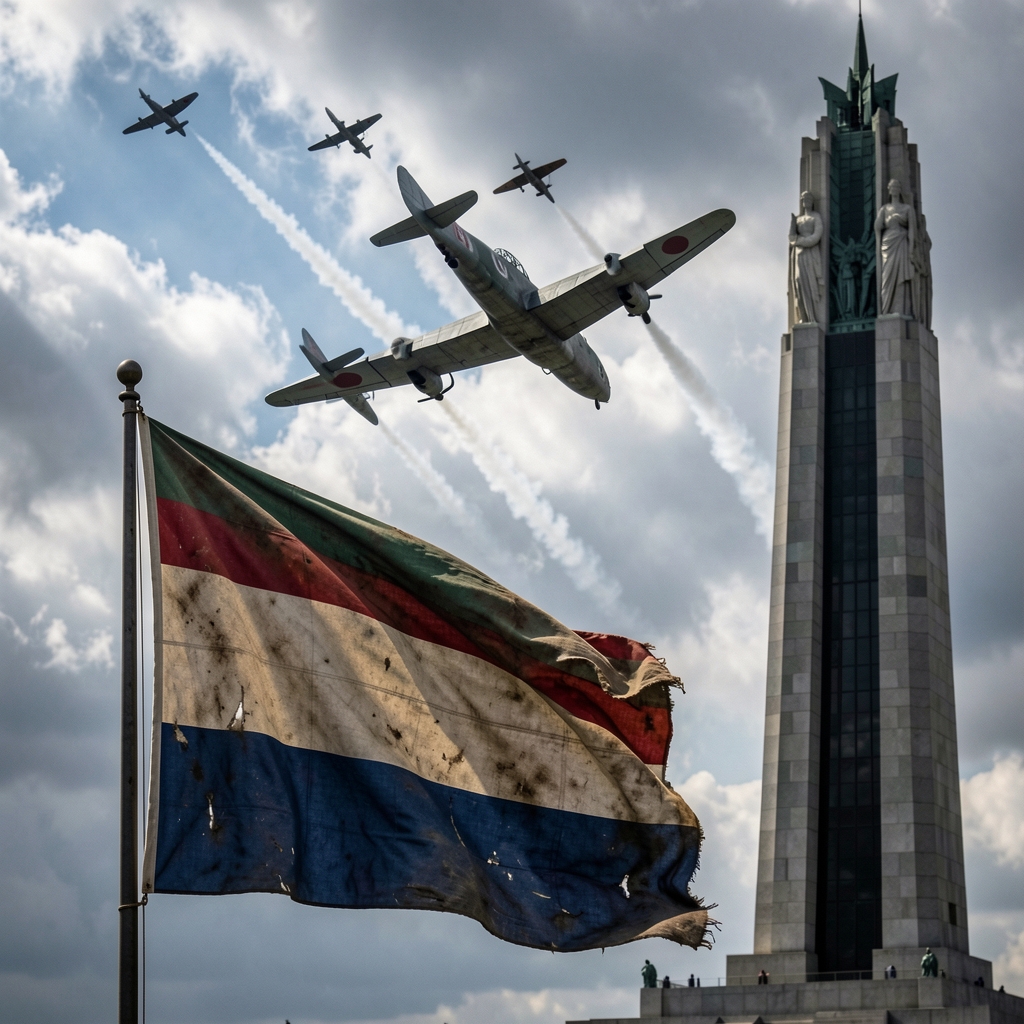
What does it mean when a machine that helped define one era of air combat shares the sky with the tools of another? For a few minutes, a single Spitfire answered that question by flying alongside modern British frontline aircraft — an image that treated observers to both nostalgia and a vivid contrast between past and present.
Background: A milestone in the sky
The flight honored the 90th anniversary of the Spitfire's first flight. To mark that milestone, a Spitfire took to the skies in formation with various frontline British aircraft. The brief event was reported in a post on The War Zone.
The flights: historic airframe meets modern frontline
Details published in the originating report are concise: a Spitfire was flown in formation with multiple contemporary Royal Air Force aircraft to commemorate the aircraft’s 90th anniversary. The image of the veteran fighter flying alongside current service types underscored the continuity of aviation history and the ceremonial role such events play.

The cyber insurance questionnaire just landed. Now what?
SOC 2, HIPAA, insurance renewals - someone has to own security strategy. Nubivance provides fractional CISO leadership without the full-time salary.
Get a security leadWhy it matters: symbolism, technology, and messaging
- For technologists: the juxtaposition highlights how aircraft design priorities and capabilities have shifted over decades — from the Spitfire’s era to today’s emphasis on speed, sensors, and networked systems. Those contrasts can provoke discussion about endurance, maintainability, and the lessons preserved in legacy airframes.
- For policymakers: ceremonial flights serve multiple functions beyond commemoration. They are tools of public engagement, morale, and institutional memory, demonstrating continuity in airpower and offering visible reminders of investment in aviation heritage.
- For the public and enthusiasts: formation flights like this create powerful imagery that connects generations and can spur interest in aviation careers, museums, and preservation efforts. They also raise practical questions about the logistics and safety protocols required to fly diverse types together.
- For potential adversaries or observers: such displays are largely symbolic but can convey messages about heritage, capability, and cohesion. The clear purpose here was commemoration rather than operational signaling.
Conclusion: A question left in the sky
A single formation flight cannot resolve debates about procurement, doctrine, or the future of air combat, but it does crystallize them in a striking visual: the past and present sharing airspace. If a ninety-year-old fighter can still capture attention next to modern jets, what does that say about the narratives we use to explain military capability and continuity to the public? For now, the Spitfire’s flight stands as a reminder that history remains an active participant in how nations present and perceive their armed forces.
Read the original report on The War Zone: https://www.twz.com/air/spitfire-completes-unique-formation-flights-with-royal-air-force