Mitchell Institute workshop and the scenarios imagined
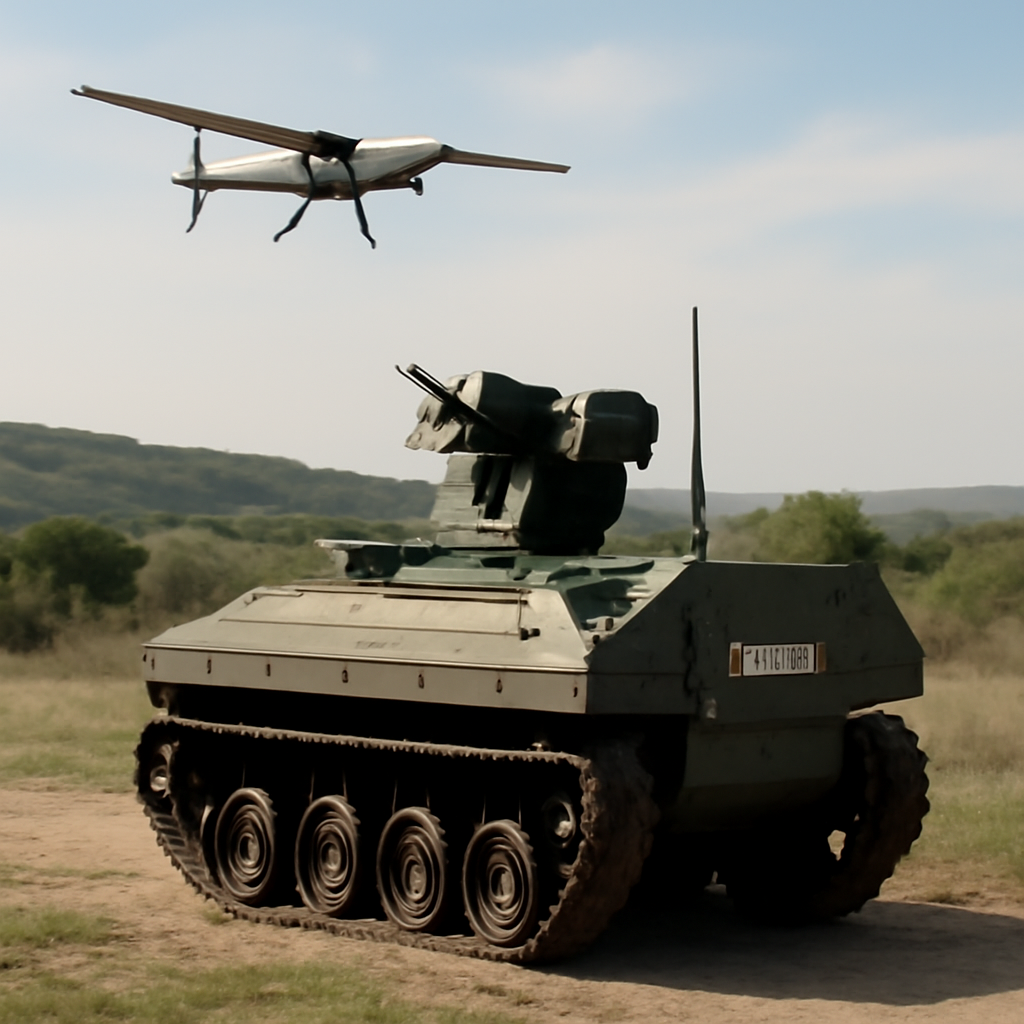
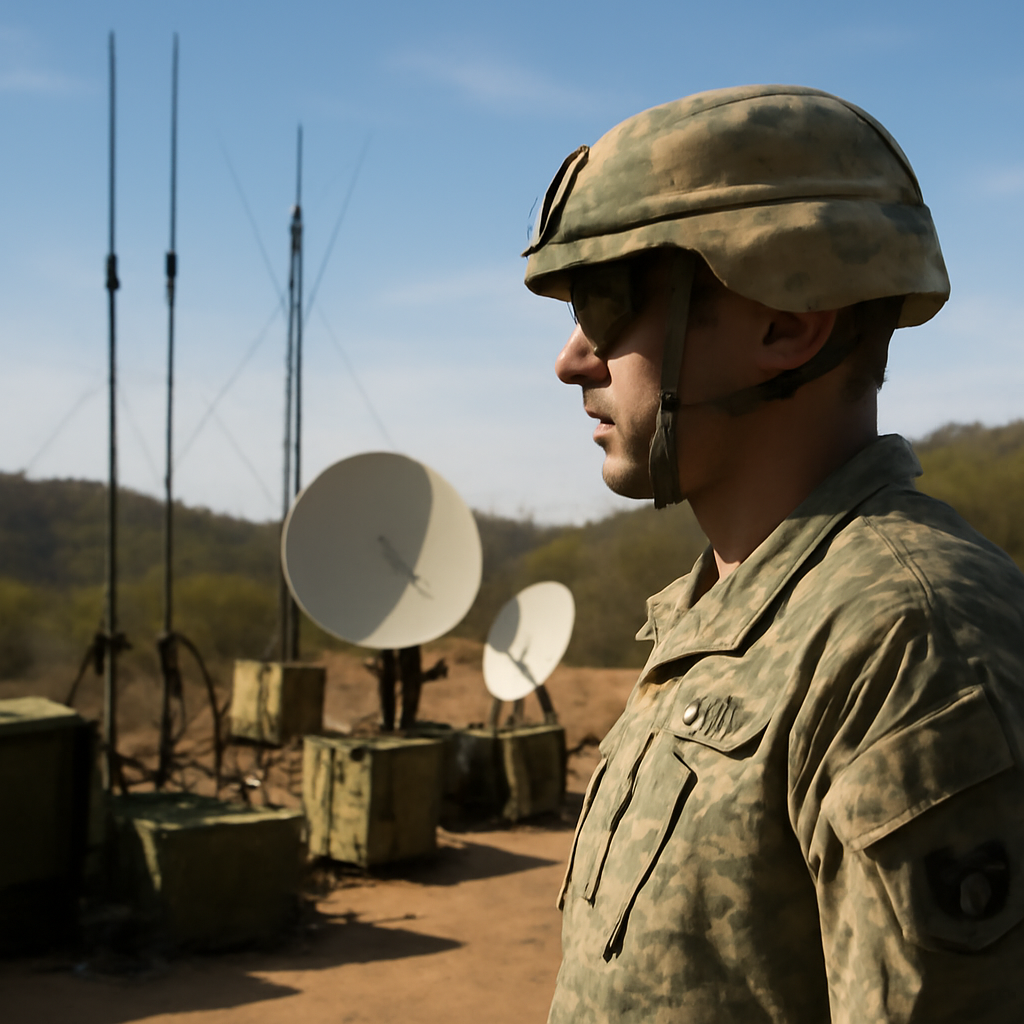
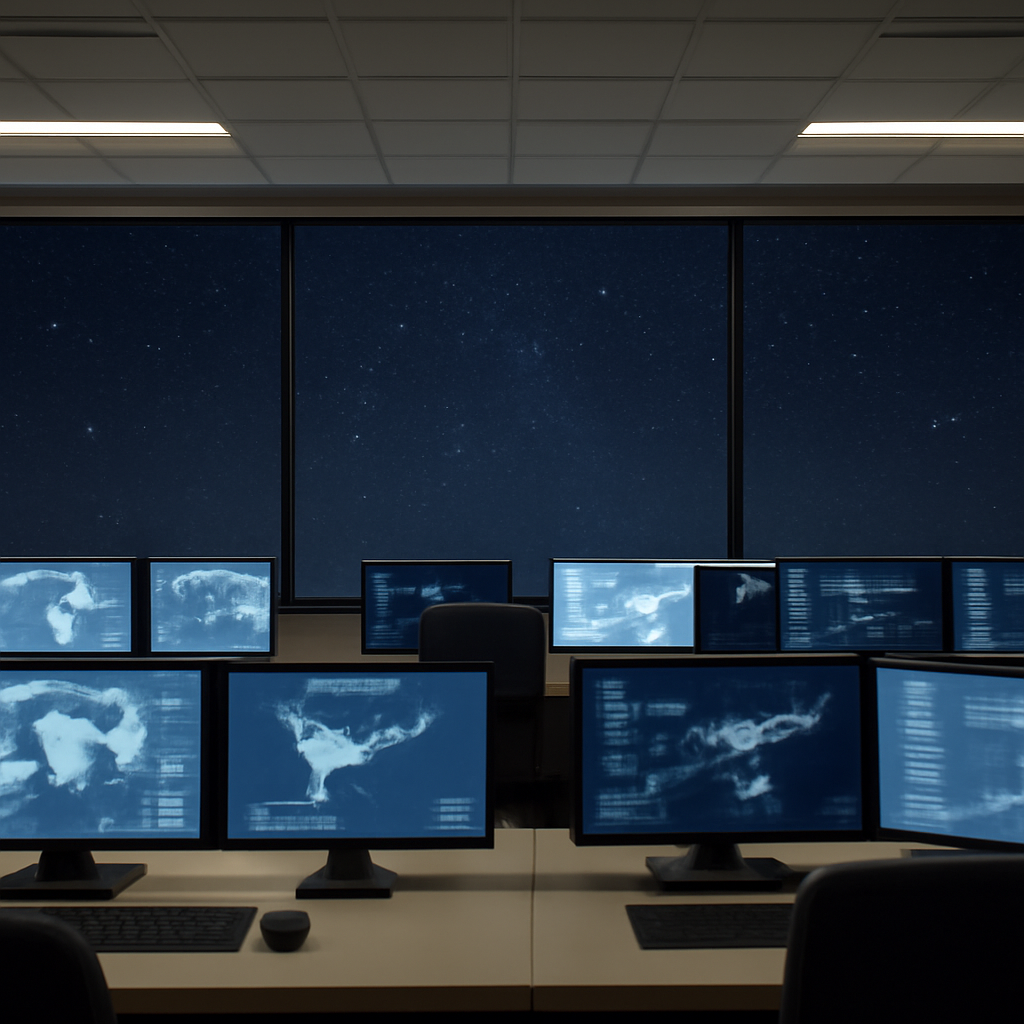
The paper grew out of a January workshop hosted by the Mitchell Institute that brought together about 50 space experts to map how satellites and spacecraft might be used in gray‑zone activity and full‑blown conflict. Participants sketched a wide range of plausible attacks that deliberately blurred attribution and geographic lines: Russian cyber‑attacks in Europe; jamming of U.S. satellites; the mysterious destruction of the bridges at Cape Canaveral; the repositioning of a recently inoperable European commercial satellite without prior coordination; the deactivation of Midwestern power grids; and even an unattributed “nuclear detonation” in low Earth orbit.
- Regional examples included “regional GPS jamming disrupting airlines” in U.S. Central Command and China firing an anti‑satellite weapon in the Indo‑Pacific that creates debris harming the International Space Station and a U.S. astronaut.
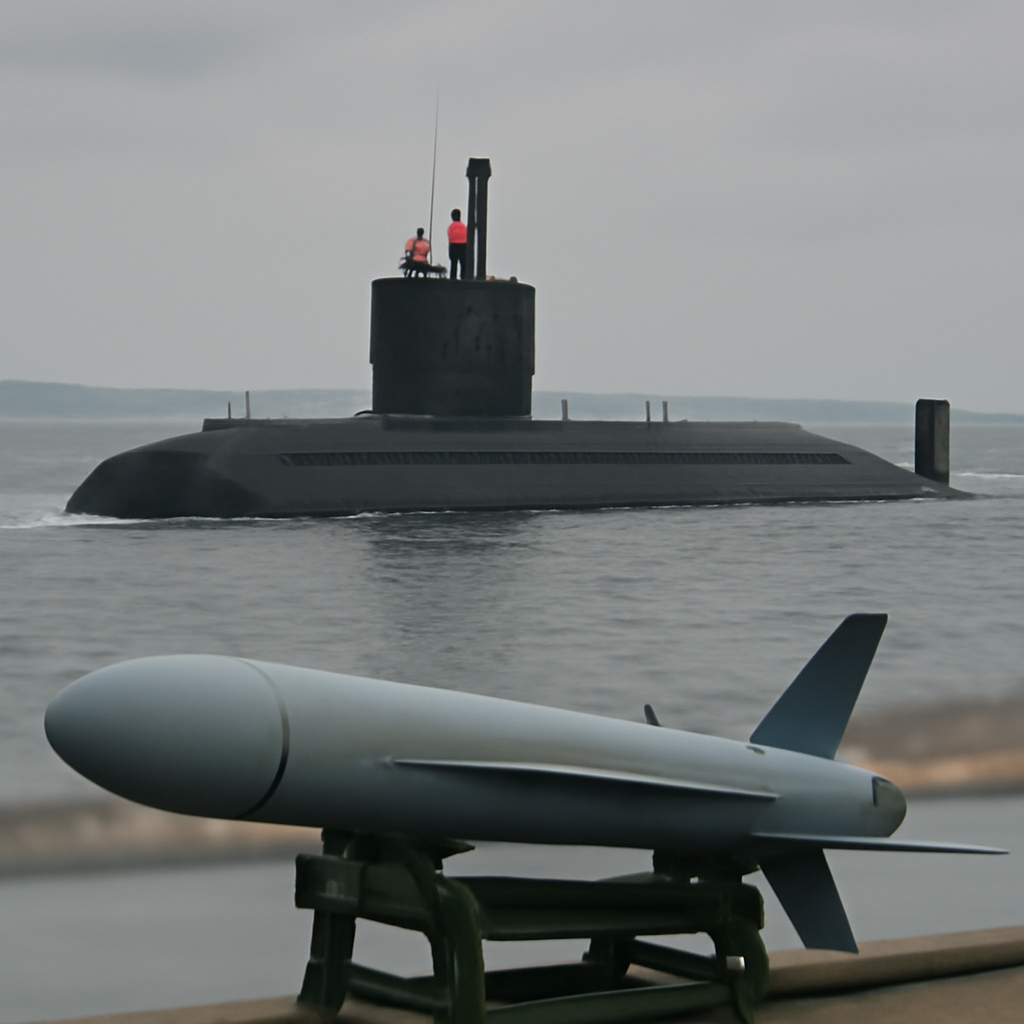
- Direct attacks on U.S. installations were also envisaged: explosions against all bridges connecting the mainland with Cape Canaveral that would halt missions, or a submarine launching a volley of 20 conventional ballistic and cruise missiles at West Coast installations such as Vandenberg Space Force Base.
Attribution, cascading effects, and decision delay
Mitchell researchers underscored that actions in space rarely produce isolated effects. “Further, actions taken in space rarely produce isolated or localized effects; instead, they cascade across geographic combatant commands, civilian infrastructure, and global equities,” the report said. That crosscutting impact complicates both the technical task of attribution and the political-military task of selecting an appropriate response.
Participants characterized space as “a decision environment characterized by uncertainty and delay.” The report warns that the increased ambiguity and difficulty of attribution slows U.S. decision‑making and can condition acceptance of progressively hostile behavior — outcomes the Institute says “favor competitors.”

The cyber insurance questionnaire just landed. Now what?
SOC 2, HIPAA, insurance renewals - someone has to own security strategy. Nubivance provides fractional CISO leadership without the full-time salary.
Get a security leadGray‑zone operations, cyber, and U.S.‑China interactions
Workshop participants singled out cyber attacks and jamming as staples of an adversary’s space campaign, tools that sit comfortably in the gray zone between peace and war. The report records participant views that “U.S.‑China interactions in space are firmly within the gray zone, characterized by actions that are coercive, often deniable, and deliberately calibrated to avoid triggering a decisive response.”
That characterization points to two practical dilemmas identified in the paper: how to identify the perpetrator of a damaging or disruptive act in space, and how to choose a response that is credible without unintentionally escalating a crisis.
Space Force posture, budgets, and policy tradeoffs
The report appears against a backdrop in which the U.S. Space Force is “embracing a warfighting‑focused identity” and pitching its largest budget in the service’s six‑year history. At the same time, Mitchell researchers say there remains “a lack of norms and laws for how the military should respond to a variety of future attacks.”
The Institute wrestles with a policy paradox: clearer rules and thresholds could speed decision‑making, but they also carry costs. “Clearly defined red lines risk constraining U.S. decision space while incentivizing adversaries to operate just below those thresholds, achieving meaningful effects without triggering a response,” the researchers wrote.
Echoing the need to sharpen internal guidance, Charles Galbreath, a retired Space Force colonel and Mitchell’s space studies director and senior resident, said “there really isn't a lot legally prohibiting us from pursuing effective counter‑space operations” and urged the service to ensure it “understand[s] what our policies are and why they're in place in such a way, and also not limit ourselves in terms of response options.”
What this means for Guardians, joint force leaders, and allies and partners
Jennifer Reeves, a retired Air Force colonel and Mitchell Institute resident fellow, told a roundtable that training and rehearsal are central: “None of this can remain theoretical. Guardians, joint force leaders, allies, and partners all need to train and exercise against these scenarios.” Repeated exercises, she said, “build familiarity, improve decision making, and help translate concepts into executable options.”
For Guardians: more frequent, realistic exercises across cascading failure modes will be necessary to speed identification and options development. For joint force leaders: the cross‑theater effects the report describes will force closer coordination across combatant commands and civilian infrastructure stakeholders. For allies and partners: the scenarios presage a need to rehearse deconfliction and attribution mechanisms so that multinational decision cycles do not lag while crises escalate.
The Mitchell Institute’s paper is part of a broader push by the think tank toward more aggressive space strategies — the report follows prior Institute proposals, including placing troops on the moon and crewed guardians aboard critical orbital assets. The central tension in the Institute’s work is plain: reduce ambiguity to build combat credibility, yet avoid drawing lines that adversaries will learn to exploit. How the Space Force balances those trade‑offs — and how quickly it can convert workshop scenarios into policy, training, and operational practice — are questions the paper leaves squarely on the table.
Read the original Mitchell Institute report coverage on Defense One