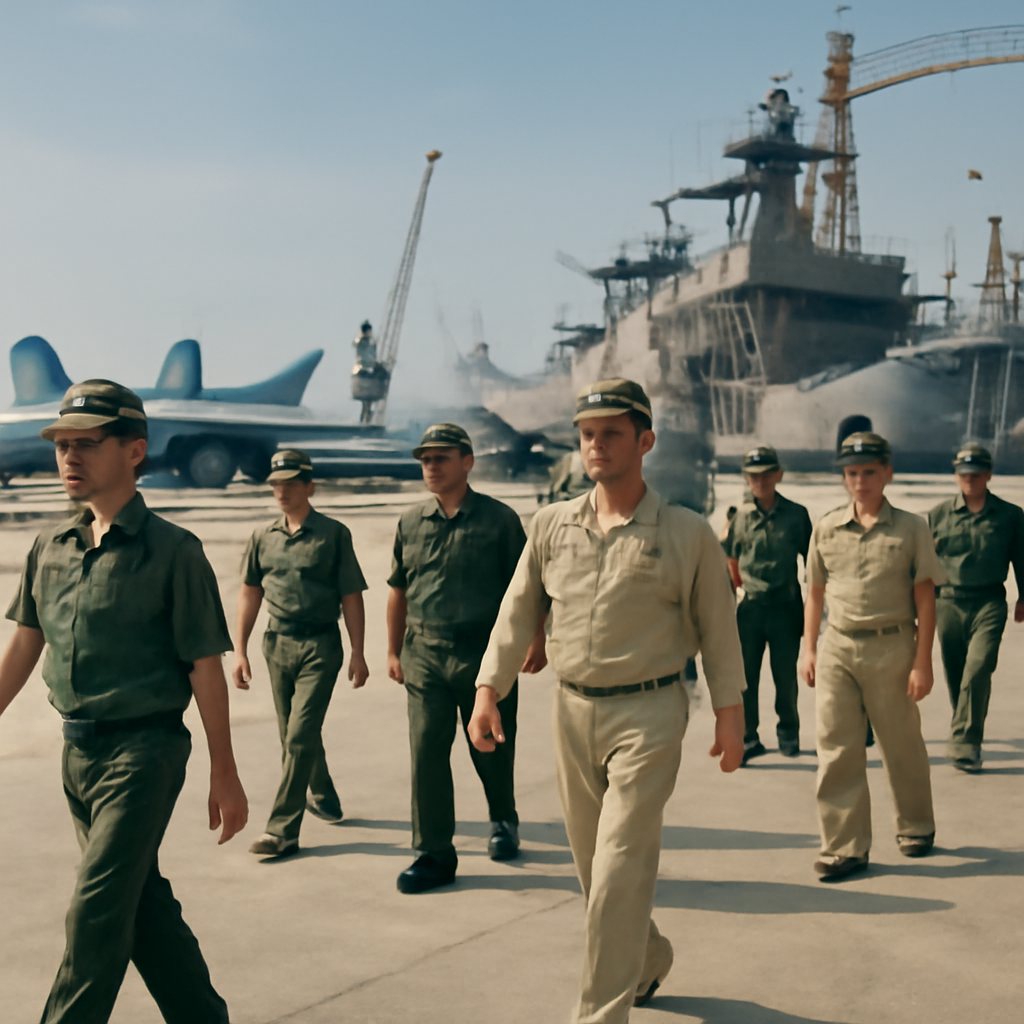
"Defense modernization in the region is gathering steam and will almost certainly accelerate in the future," the Diplomat observed — a blunt assessment grounded in a fast-moving string of purchases, launches and procurement headaches across Southeast Asia.
Indonesia: Rafales, KF-21 talks, and a domestic shipbuilding push
Indonesia has emerged as one of the region’s most active modernizers. The Indonesian Air Force took delivery of its first three Rafale fighter jets earlier this year, part of an $8.1 billion order for 42 aircraft from France’s Dassault. In June, the Ministry of Defense announced it would be purchasing an as-yet undisclosed number of South Korea’s KF-21 Boramae fighters in the near future.
Indonesia had been a partner in the KF-21’s development, but tensions over cost-sharing and technology transfer meant payments were delayed and, ultimately, Jakarta will be a customer rather than a co‑producer. On the naval side, state-owned PT PAL launched the first domestically produced Merah Putih frigate in December 2025; a second unit is under construction and expected to be launched later this year. PT PAL will also soon begin production of two Scorpene Evolved attack submarines co‑produced with France’s Naval Group. Jakarta has also concluded deals with Italy — including purchases of Thaon di Revel–class frigates and the acquisition of a retired Italian aircraft carrier.
Philippines: South Korea tie-ins and expanded sealift
The Philippines is leaning heavily on South Korea for advanced air and naval platforms and, like Indonesia, is reportedly close to becoming one of the first customers for the KF‑21. Hyundai Heavy Industries continues production on a number of advanced warships for the Philippine Navy. PT PAL, in addition to supplying Indonesia, is assisting the Philippines in rebuilding strategic sealift: two Tarlac‑class landing platform docks were delivered about ten years ago, and PT PAL is now working to deliver an additional two units, the first of which was officially launched in June.

This site is the portfolio.
OSINTSights runs on Cloudflare Workers, D1, R2, and Vectorize, with an AI pipeline on Hetzner ARM. Nubivance designed, built, and operates it. We do the same for clients.
See what we buildThailand’s S26T submarine and the engine impasse
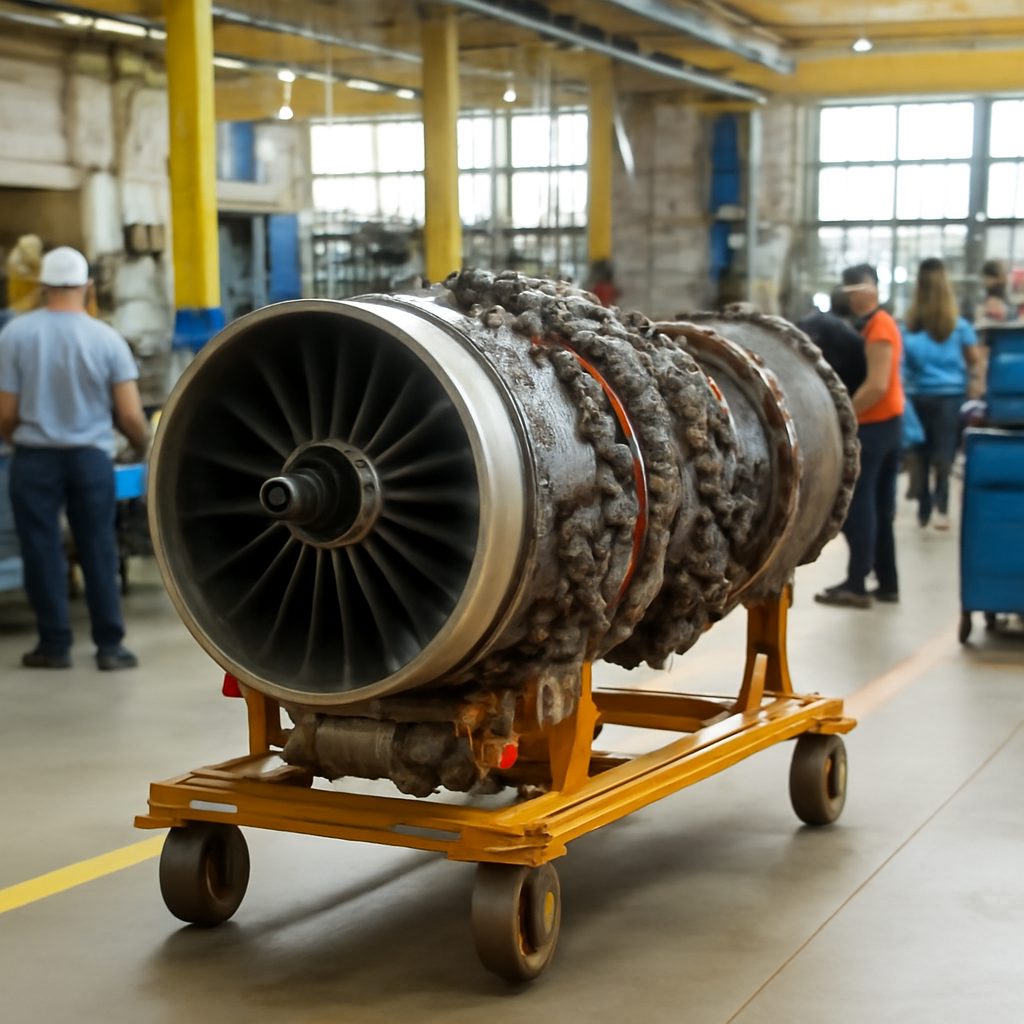
Thailand’s naval program underscores how export controls and third‑party suppliers can reshape timelines. The S26T submarine ordered from China is expected to be completed in 2028 after earlier delays when Germany refused to export engines that had been part of the original specifications. The project has resumed and is proceeding with Chinese‑made engines.
Malaysia’s Littoral Combat Ship program and a revoked export license
Malaysia’s long‑delayed Littoral Combat Ship program has produced three of the planned five ships, but the program inflicted severe financial strain on a state‑owned naval shipyard. This year Norway revoked Malaysia’s export license for a key missile system, citing tightened export controls on sensitive defense technologies — a decision that drew clear displeasure from the Malaysian government and further complicated the program’s trajectory.
BrahMos and the widening roster of suppliers
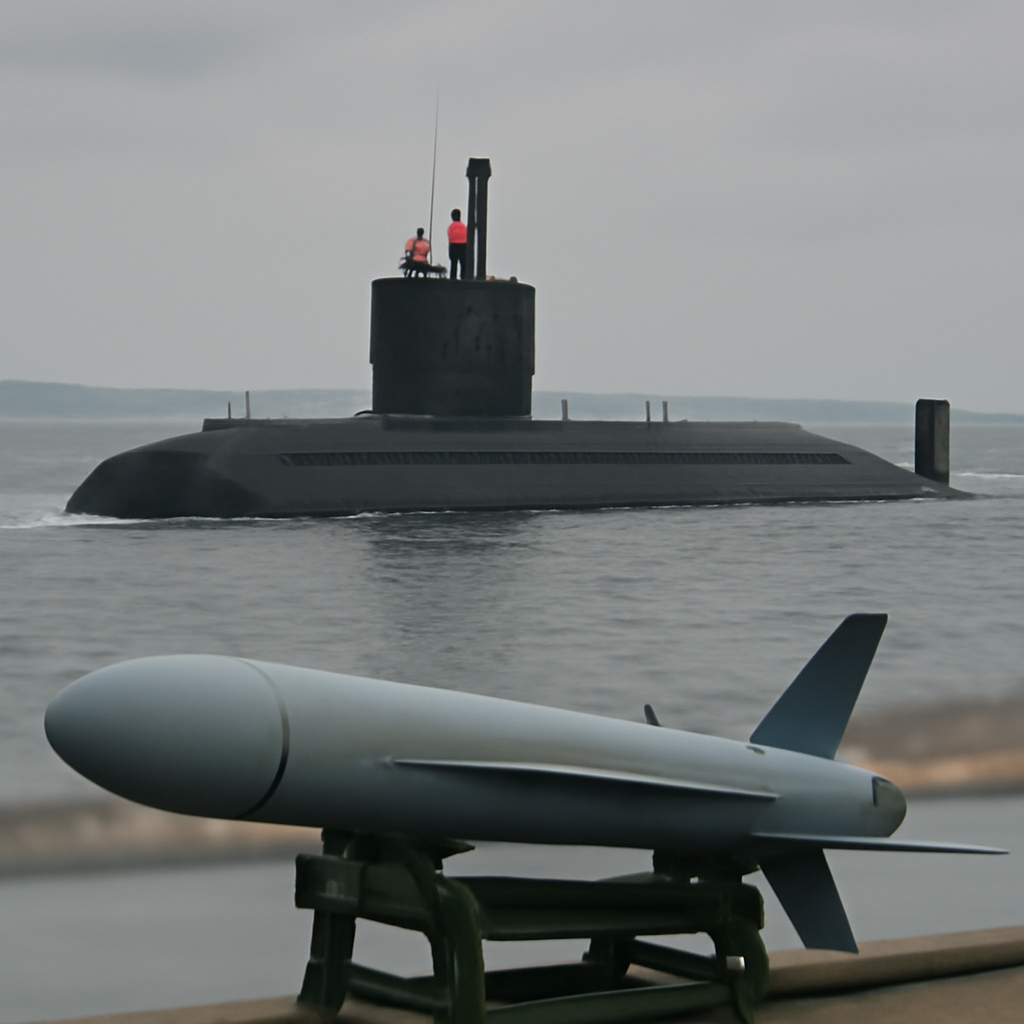
A notable shift in supplier geography is visible in missile procurements. Vietnam, the Philippines and Indonesia have all signed deals to buy India’s BrahMos supersonic cruise missiles. The Diplomat highlights this trend as evidence that procurement in Southeast Asia is no longer the exclusive domain of European, American or East Asian firms; middle powers such as India (and Turkey, the article notes) are becoming important players in the region’s military modernization plans.
What this means for policymakers, procurement leaders, and naval planners
- Policymakers: With "the erosion of the U.S. security umbrella, and unpredictable American policy more generally," governments are using procurement to hedge risk, expand options and signal diplomatic ties — expect continued diversification of suppliers.
- Procurement leaders: Pressure to secure technology transfer and domestic industrial participation will shape deal structures; Indonesia’s pivot from co‑producer to customer on the KF‑21 is a cautionary example of how unresolved industrial arrangements can change outcomes.
- Naval planners: Delays from export controls and third‑party supplier refusals (as with Germany’s earlier decision on engines) will require contingency plans; domestic yards such as PT PAL are scaling up but multi‑year programs like the Scorpene build will take time to mature.
The picture that emerges is not merely one of faster acquisitions but of procurement as geopolitics: countries are buying equipment to expand domestic production, to signal alignments, and to hedge against an uncertain security umbrella. Whether these parallel drives — into Rafales, KF‑21s, Scorpenes, BrahMos and domestically built frigates — will create more resilient deterrents or a more complex set of dependence and delay is the next test. For now, the region’s navies and air forces are accelerating modernization in lockstep with geopolitical competition and the practical difficulties of sourcing capabilities under tightening export regimes.