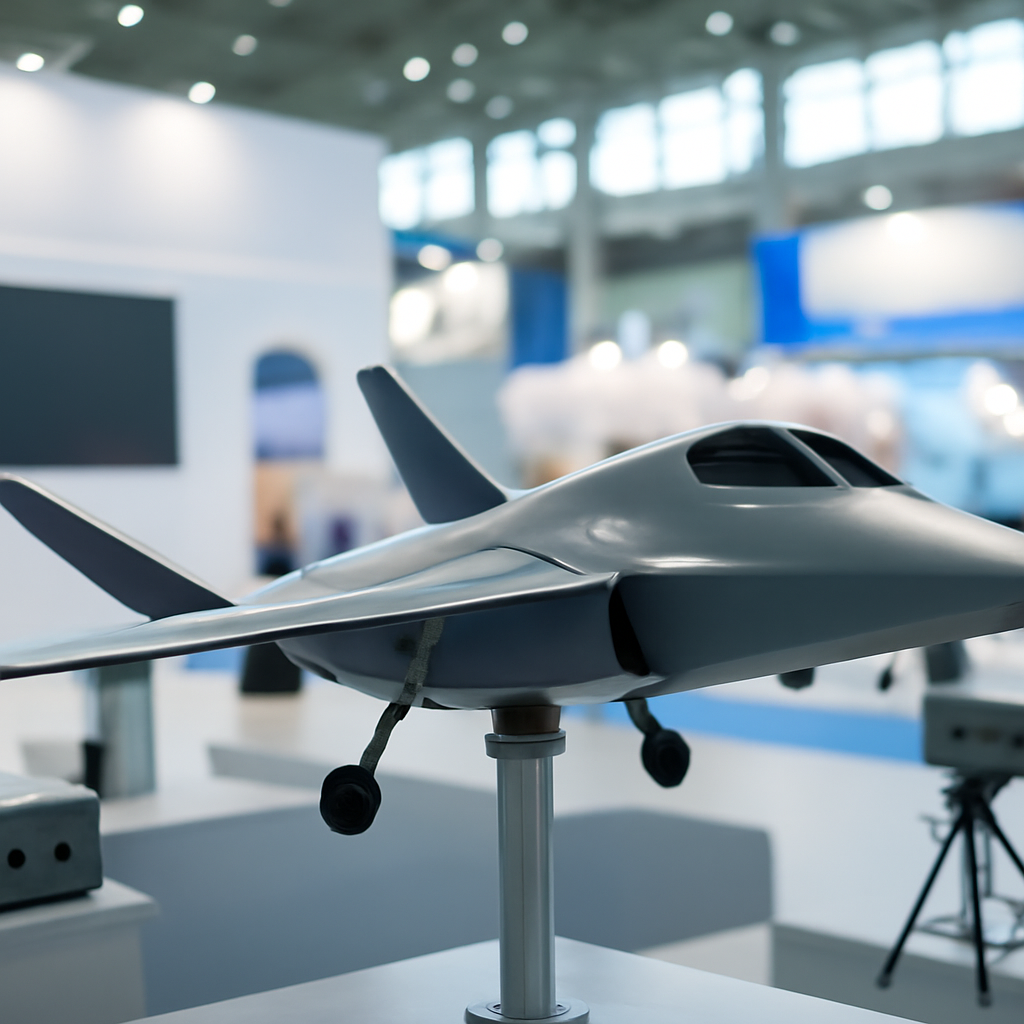
"What we are seeing is that the Russians use regular Shaheds as a replacement for long-range artillery and jet-powered ones to hit inside Ukraine — that’s why we decided, and heard from our armed forces, that they needed something specifically geared to hitting these types of Shaheds," Ares, the spokesman for Skyfall, said at the Farnborough Airshow.
Skyfall’s P1-SUN Jetkiller: rapid design and frontline testing
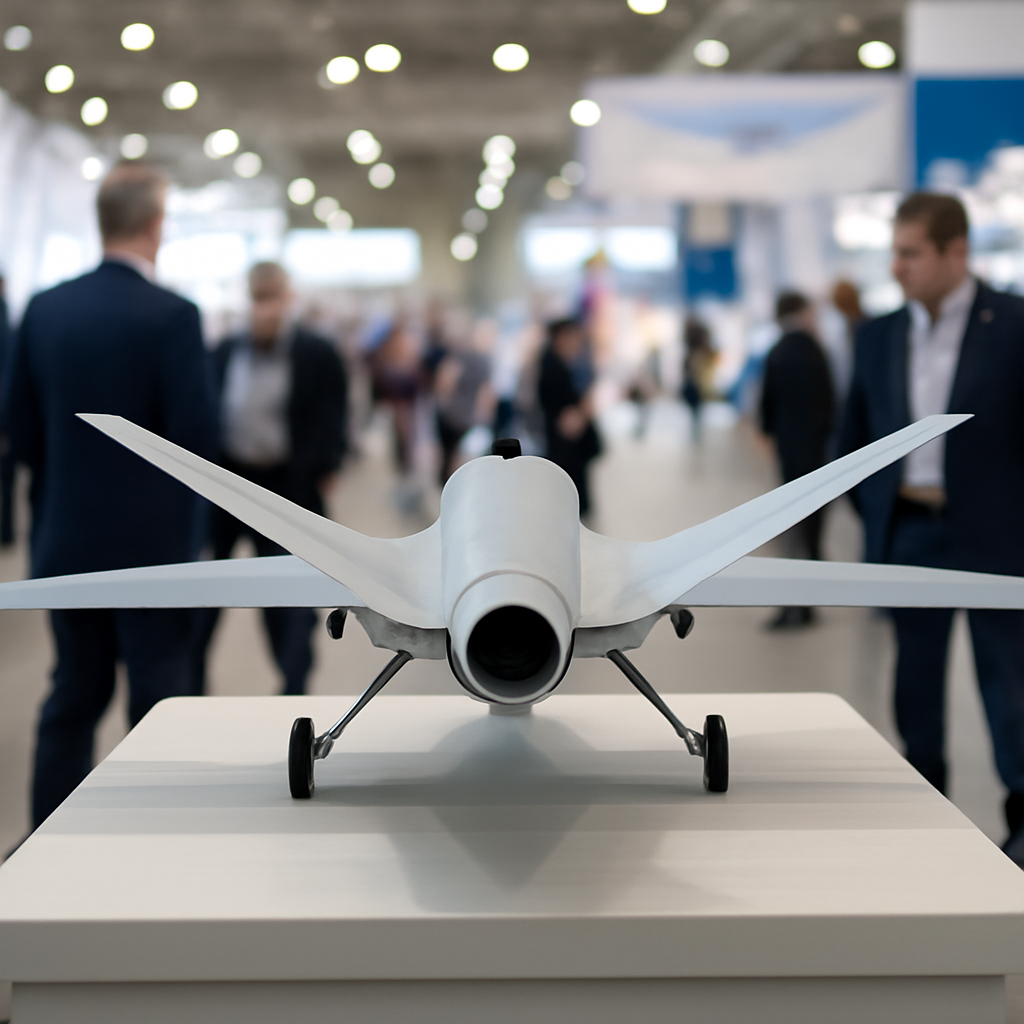
Skyfall introduced the P1-SUN Jetkiller at the Farnborough Airshow as the newest member of the P1-SUN family. The company says the Jetkiller was designed in only three months to meet a Ukrainian Armed Forces requirement that specifically targeted the Russian threat. Skyfall reported that the new variant has already been combat-tested, registering dozens of confirmed hits on the front line.
Performance profile: top speeds and engagement windows
Skyfall highlighted speed as the Jetkiller’s defining characteristic. The company spokesman stated the Jetkiller can reach 370 kilometers per hour (230 miles per hour), up from a previous family maximum of 310 km/h. By comparison, Ares said that radar tracks in Ukraine show jet-powered Shaheds can reach top speeds near 400 km/h, but importantly, "they cannot sustain or go at this speed constantly — they dial the speed down during some parts of the flight, which is when we can catch up and hit them."

This site is the portfolio.
OSINTSights runs on Cloudflare Workers, D1, R2, and Vectorize, with an AI pipeline on Hetzner ARM. Nubivance designed, built, and operates it. We do the same for clients.
See what we buildLaunch options and operational tradeoffs: ground versus air deployment
Ares told reporters the Jetkiller can be integrated on helicopters among other platforms. He explained a tactical tradeoff: launching the interceptor from the ground requires greater battery capacity to get the interceptor up to speed and begin its mission, whereas launching directly from an aircraft "is already in the air and also provides extended range." That capacity and range difference is central to Skyfall’s pitch for airborne launch options.
Evidence of existing tactics: Antonov An-28 with interceptors and claimed results
Public footage and reporting provide context for the airborne-launch concept. A video published in February by Ukrainian pilot Timur Fatkullin showed a civilian Antonov An-28 transport aircraft armed with interceptor drones used by the Ukrainian military to hunt Shahed drones. The New York Times, in related coverage, claimed that using that tactic and aircraft, Kyiv has been successful at destroying at least 213 enemy drones. Ukrainian outlet Militarnyi has identified one of the interceptor drones in those operations as an older Skyfall P1-SUN interceptor variant.
Production plans and scale: a target of 50,000 units per month
Skyfall told attendees that the P1-SUN Jetkiller is planned to enter mass production in August, with the company eyeing a production rate of 50,000 units per month. That timetable and scale are presented by Skyfall as part of an effort to field a capability tailored to countering jet-powered Shaheds quickly and in quantity.
What this means for the Ukrainian Air Force, Russian Shahed operators, and aircraft launch crews
- Ukrainian Air Force: A weapon explicitly built to pursue jet-powered Shaheds, the Jetkiller promises a faster interception option and is already reported as combat-tested with dozens of confirmed hits. The reported integration on helicopters or other aircraft expands tactical options for the force.
- Russian Shahed operators: Skyfall’s argument rests on the assertion that Shaheds are vulnerable when they reduce speed during parts of flight; if the Jetkiller signatures and airborne-launch tactics work as described, operators of jet-powered Shaheds may face increased attrition during those slower flight segments.
- Aircraft launch crews (e.g., crews operating Antonov An-28 transports): The airborne-launch approach prioritizes extended range and reduced ground-battery demands, suggesting crews offering launch platforms will be an operational focal point for future interceptor missions.
The P1-SUN Jetkiller is presented as a rapid engineering response to a specific operational problem: jet-powered Shaheds used to strike deep inside Ukraine. Skyfall’s claims rest on a short design cycle, combat testing with "dozens" of confirmed hits, a higher top speed of 370 km/h, and plans for mass production starting in August at an ambitious monthly rate of 50,000 units. Whether those production numbers and airborne-integration tactics will scale the reported tactical successes into a sustained operational advantage is the immediate question the facts here leave open.
Source: Breaking Defense — Ukraine’s Skyfall unveils new drone interceptor to strike Russian Shaheds faster