Charting New Skies: Singapore and Airbus Pioneer Crewed-Uncrewed Teaming in Defense
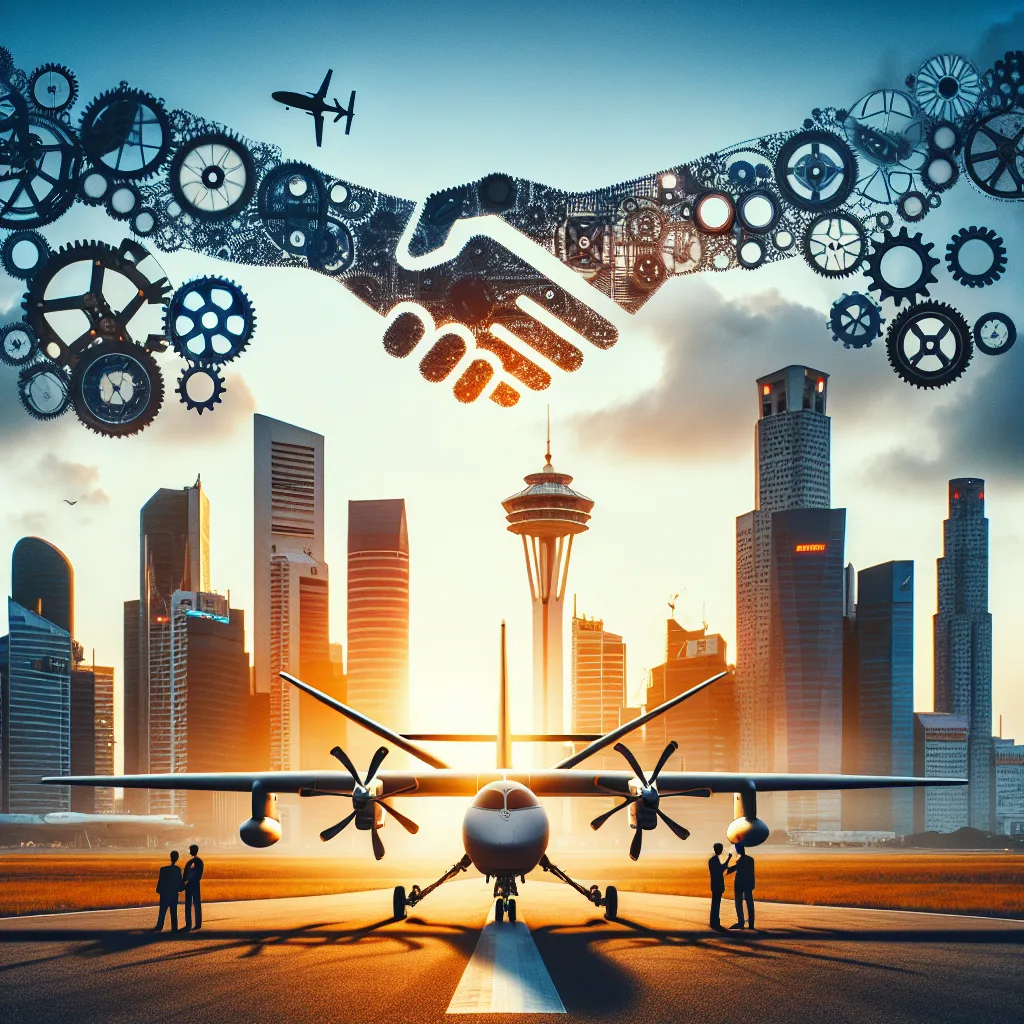
As technological boundaries expand, the integration of crewed and uncrewed systems is poised to redefine the landscape of modern warfare. This week, Singapore’s Defence Science and Technology Agency (DSTA) took a significant step forward by signing an agreement with Airbus Helicopters to explore crewed-uncrewed teaming (CU-T) capabilities. At the heart of this collaboration lies the Republic of Singapore Air Force’s H225M Medium Lift helicopters, paired with Airbus’ Flexrotor uncrewed aerial system (UAS). The stakes are high—this partnership could pave the way for enhanced situational awareness and operational effectiveness in military operations.
This initiative unfolds against a backdrop of growing global interest in integrating drones into traditional military frameworks. Nations are racing to harness the advantages that these technologies can bring, from improved reconnaissance capabilities to reduced risks for human crews. As threats evolve, so too must the strategies employed by national defense forces around the world.
The historical context for this development is rich. The H225M helicopter, a workhorse in many air forces worldwide since its introduction, has been known for its versatility in various missions ranging from search and rescue to troop transport. Meanwhile, unmanned aerial vehicles have become indispensable tools on the battlefield over recent years, offering intelligence, surveillance, and reconnaissance capabilities without risking lives. The DSTA’s decision to combine these assets signals a strategic pivot towards more integrated operations.
In practical terms, what does this collaboration entail? The agreement includes plans for live flight demonstrations that will test how effectively crewed helicopters can operate alongside uncrewed systems. These tests aim not only to assess technological compatibility but also to explore tactical implications—how can a human-piloted aircraft benefit from real-time data provided by an autonomous drone? This interaction could lead to enhanced situational awareness on the battlefield, allowing operators to make quicker and more informed decisions.
The importance of this partnership cannot be overstated. Enhanced CU-T capabilities promise significant improvements across multiple dimensions: mission effectiveness, resource allocation, and risk management. By leveraging drones as force multipliers that can gather intelligence or conduct preliminary assessments before engaging human pilots, militaries may improve their responsiveness in dynamic operational environments. The successful integration could also strengthen public trust in defense technologies; as autonomous systems become more common in military applications, showing responsible deployment is crucial.
Experts suggest that such collaborations are indicative of a broader trend within defense communities globally—an acknowledgment that future conflicts will increasingly involve hybrid systems that blend manned and unmanned technologies. According to Dr. John B. Hickman from the Center for Strategic Studies at the National Defense University, “The integration of drone capabilities with crewed platforms is no longer just an option; it’s becoming a necessity as adversaries enhance their own unmanned capabilities.” This viewpoint echoes across military analysts who see such advancements as critical for maintaining competitive advantages.
As we observe this initiative unfold, several factors warrant attention: What operational insights will emerge from these live demonstrations? How will this shape future procurement strategies not only within Singapore but also among its regional neighbors? Additionally, how might public opinion shift regarding the use of autonomous systems in military operations? These questions remain open as developments progress.
In conclusion, the collaborative endeavor between Singapore’s DSTA and Airbus Helicopters marks an exciting chapter in defense innovation. It raises critical considerations not only about technology but also about ethics and public perception in an age increasingly dominated by automation on the battlefield. As nations navigate these complex waters together, one cannot help but ponder: what role will humans play when machines begin to share the skies?