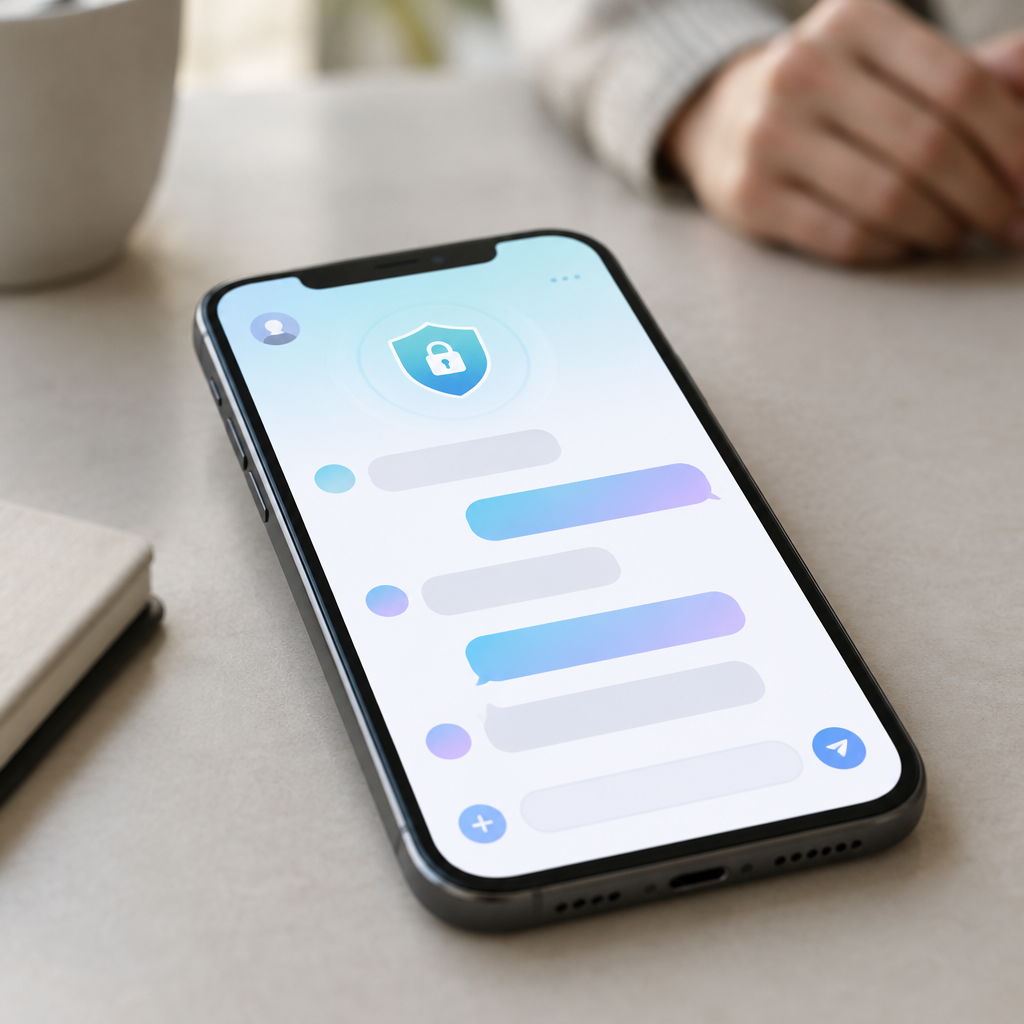
"AI agents woven into operating systems ... [are] an existential threat to Signal," Meredith Whittaker, president of the Signal Foundation, wrote on November 20.
Platform-by-platform defenses Signal has deployed
Signal has rolled out measures intended to stop AI assistants built into iOS and Android from capturing user chats, saying it cannot control what those agents collect. The foundation described a mix of automatic detection, default blocking on some platforms, and user-facing settings — applied differently depending on the operating system and its documented protections.
Android: automatic Screen security detection, with limits
On Android, Signal said it will enable Screen security automatically when it detects an AI assistant attempting to read the screen. The foundation justified a detection-based approach because Android’s ecosystem includes multiple vendor versions beyond Google’s reference build, and “for many vendors, there is no reliable way to detect when a screenshot was attempted if screenshots are already disabled.” Signal said it chose detection over a blanket block on screenshots to avoid harming the user experience. Users retain the ability to turn the protection off, but Signal warned doing so could leave their messages — and their contacts’ — accessible to AI agents. Signal also noted that blocking screenshots does not stop agents from reading data already stored on a device.

This site is the portfolio.
OSINTSights runs on Cloudflare Workers, D1, R2, and Vectorize, with an AI pipeline on Hetzner ARM. Nubivance designed, built, and operates it. We do the same for clients.
See what we buildiOS 27 and macOS 27: a split in protections
Signal said it is preventing screenshots on iOS 27 and shows a setting labeled "Block Siri AI." By contrast, on macOS 27 Signal reported it has no dependable way to stop screenshots. It said Apple’s screen-protection options “covered only streaming and copy-protected media” and advised users to add Signal to the Siri Excluded Apps list to reduce exposure to system-level agents.
Windows 11 and Microsoft Recall: a prior precedent
Signal pointed to an earlier change in 2025, when it began blocking screenshots by default on Windows 11 to keep out Microsoft Recall. Signal described Recall as taking screenshots every few seconds and storing their text in a searchable database that, Signal said, could keep even disappearing messages indefinitely. That step set a precedent for the foundation’s current focus on preventing system agents from creating persistent, searchable records of ephemeral conversations.
Third-party agents, accessibility settings, and confidential computing
Signal flagged third-party agents such as Meta Muse as using accessibility settings to reach app data; those settings let apps read and control the screen and are intended for assistive tools. The foundation asked Apple, Google and Microsoft for a documented opt-out so apps can prevent AI access to screens, files, notifications and other system features “without breaking how they work,” and for clearer documentation of how agents handle data. Signal additionally said confidential computing — designed to protect data while it is processed — falls short because AI providers would still decide how much privacy users receive.
What this means for Signal’s developers, platform makers, and end users
- Signal’s developers and security teams: The foundation said its engineers have done “significant” forensic analysis of Android and iOS to understand how AI systems reached app data, and that the lack of documentation has made building robust privacy protections harder.
- Platform makers (Apple, Google, Microsoft): Signal has formally asked these companies for documented opt-outs and clearer guidance; Google and Apple were said to be engaging with Signal, which described itself as “cautiously optimistic” about some major operating system providers.
- End users and their contacts: Protections vary by platform. Users on Android may find Screen security activates automatically but can choose to disable it; on iOS 27 a "Block Siri AI" option appears; on macOS 27 Signal recommends adding the app to Siri’s Excluded Apps list. Signal warned that disabling protections or relying on device-stored data can leave messages exposed to agents.
Signal’s actions frame a narrow but consequential debate: can apps reasonably assert control over their screens and data when operating systems and third-party agents are designed to read and index content? The foundation’s remedy is twofold — implement practical, platform-specific defenses where possible, and press platform makers for the documented opt-outs and transparency it says are necessary to make those defenses reliable.
Signal reported that Google and Apple are engaging with the foundation and that it is "cautiously optimistic." The unanswered, concrete test now is whether platform vendors will deliver the documented opt-outs and clearer agent documentation Signal has requested — and whether those changes will be rapid enough to blunt what the foundation characterized as an existential threat.