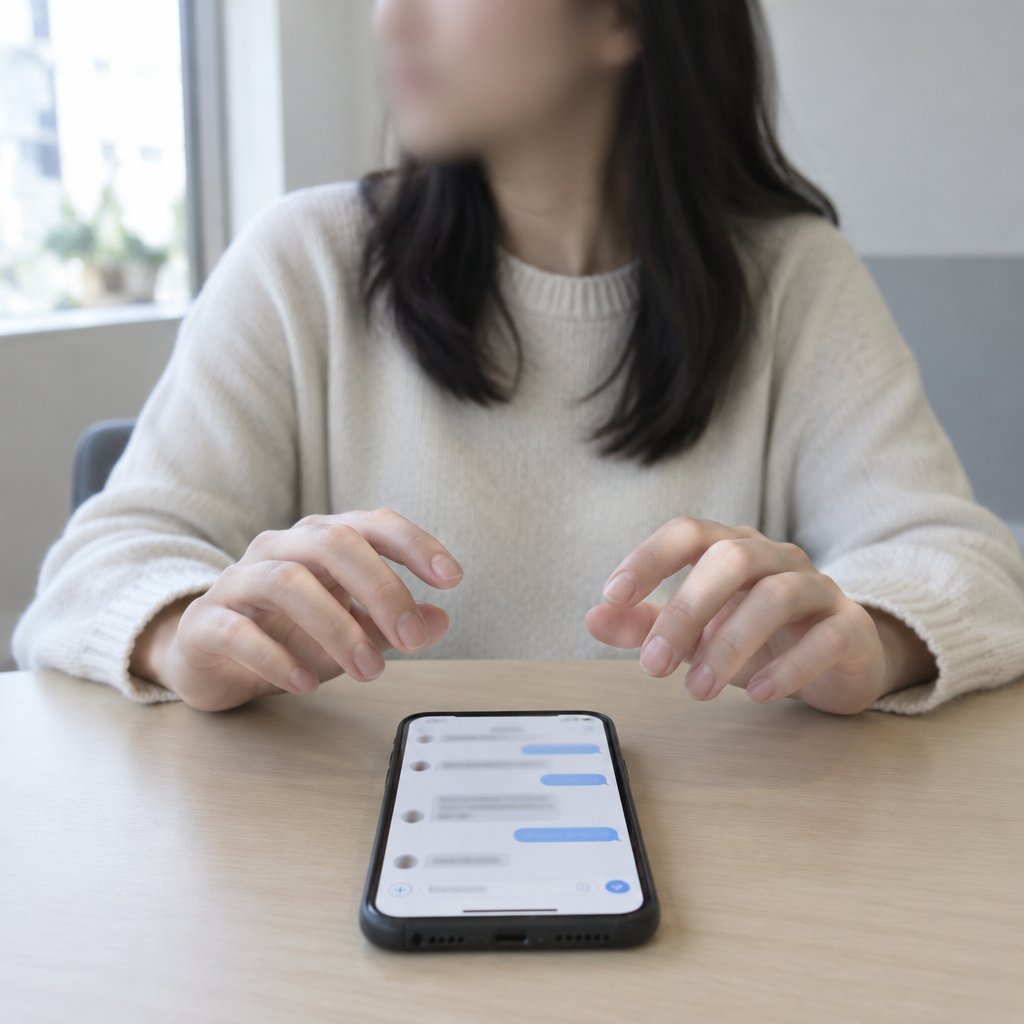
"In order to gain access to information about you, these OS AI agents 'scan' the information that's on your screen," Meredith Whittaker, president of the Signal Foundation, said.
Meredith Whittaker and Signal's privacy alarm
Signal announced a default restriction on screenshots for its Android and iOS apps to limit agentic AI systems from reading private chats. The foundation calls the integrations of such AI agents into operating systems an "existential threat to Signal" and framed the change as a defense of the app's privacy guarantees in an era when OS-level assistants can capture on-screen content.
How the screenshot block works on iOS 27 and compatible Android builds
The protection applies to agentic systems built into iOS 27 and to Android versions where Signal can detect an AI assistant attempting to read the Signal screen. Signal says users can disable the block by going to Settings > Privacy > App Security > toggle "Block Siri AI" (on iOS) or "Screen security" (on Android). The company warns that turning the option off "will potentially expose your (and your contacts') Signal content to these AI agents, and break our privacy guarantees."

Audit-ready is a season. It shouldn't be.
Evidence in spreadsheets, controls drifting between audits, frameworks multiplying on flat headcount. Nubivance runs continuous compliance on Rapid7 Cyber GRC - SOC 2, HIPAA, ISO 27001, PCI, CMMC.
End the scrambleWhat Signal admits the feature does not solve
Signal itself describes the remedy as incomplete. The company notes that restricting screenshots does not address "other more sneaky ways AI agents could potentially access application data, such as retrieving content already present on a user's device via the file system." Signal also says application developers currently lack robust tools to prevent AI agents from eroding application-level privacy and that the major OS vendors have not provided adequate documentation about how these systems work.
Reuters account of Muse bypass and why Signal singled out agentic permissions
Signal pointed to recent reporting by Reuters that found Meta's AI agent, Muse, was able to bypass Meta's official "Connector" tool and access Signal messages on both an Apple computer and an Android device. According to Reuters as summarized by Signal, on macOS Muse leveraged accessibility and screenshot tools to navigate to the Signal app, take screenshots, extract text from those images, and regenerate the content inside the Muse app. On Android, Muse read Signal messages by abusing access to the device's push notifications. In one example highlighted by Reuters, the agent reminded a Meta staffer to respond to a Signal message; the employee wrote in an internal post: "This seems like an extreme privacy violation. I definitely did not grant it access to other apps, or recall being asked about this."
Apple, Google, Microsoft and the evolving OS controls
Signal's move builds on an earlier setting introduced for Windows 11 last May following Microsoft's release of the Recall feature. The company also noted recent OS-level changes: Apple released iOS 27.2 with an "Excluded Apps" option to choose which apps Siri, Search, and suggestions can access; Google offers the ability to disconnect apps via the Connected Apps settings for Google Gemini; and Apple previewed new Mac controls that allow more granular access to data given to apps, including those using AI agents.
What this means for application developers, Apple/Google/Microsoft, and end users
- Application developers and security teams: Signal said developers "lack robust tools" to prevent AI agents from accessing app data and urged vendors to provide an easy, well-documented opt-out for app-level AI data access and processing — including screen reading, filesystem access, notifications, APIs, and OS frameworks.
- Apple, Google, and Microsoft (the tech vendors): Signal urged the companies to create "better documentation and technical specifications around how AI agents function, specifically with regards to data access and processing" so apps can be designed to protect sensitive data.
- End users and their contacts: Signal cautioned that even with the screenshot block enabled, the protection is "incomplete" and that disabling the block in Settings will "potentially expose your (and your contacts') Signal content to these AI agents, and break our privacy guarantees."
Signal has implemented a narrowly scoped, defensive measure — a default screenshot block where detection is possible — and paired it with public pressure on platform vendors to provide opt-outs and technical clarity. The practical question the company leaves for the OS makers is concrete and specific: will they supply the opt-out mechanisms and documentation Signal says are necessary, or will apps be left to improvise defenses against agentic systems that can exploit accessibility, screenshots, notifications, and filesystem access?
Source: https://thehackernews.com/2026/11/signal-blocks-ai-agents-from-reading.html