What Signal will block and why
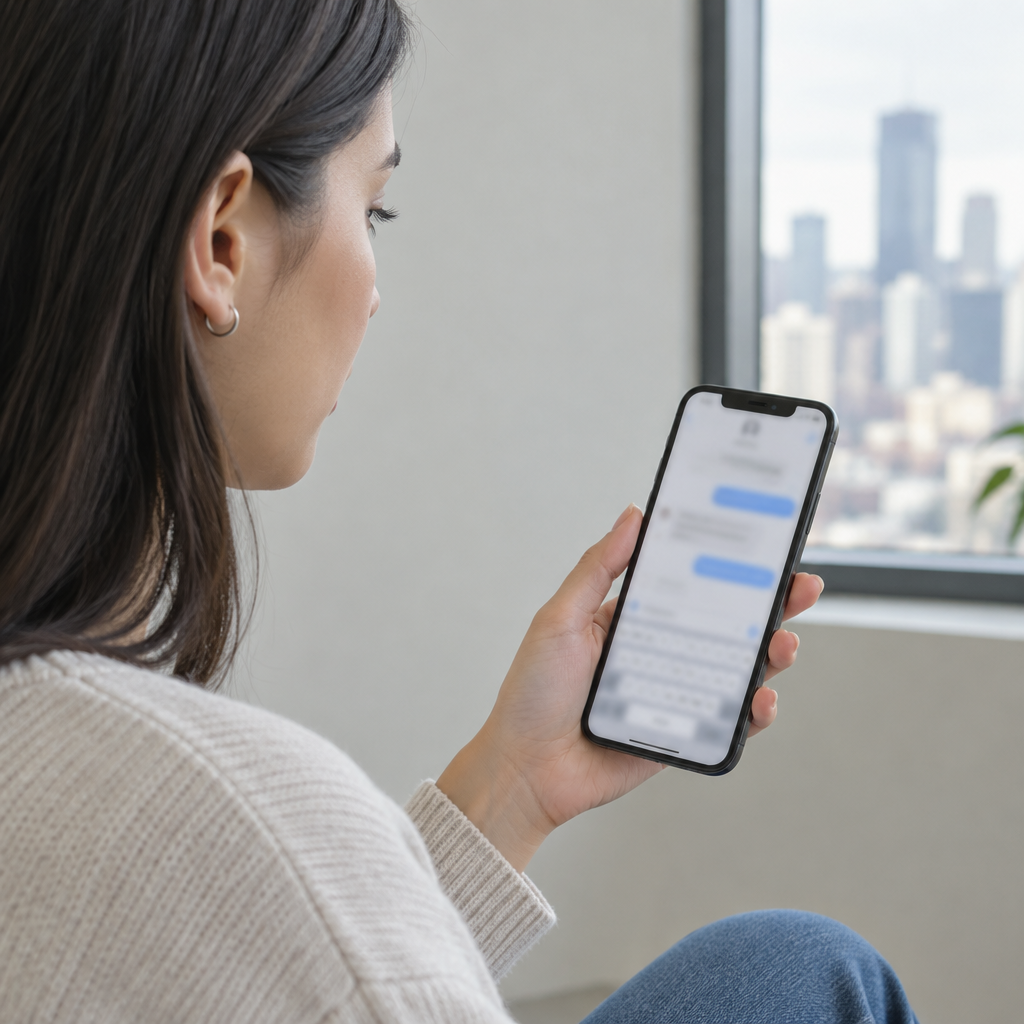
Signal said it will, by default, block Apple and Google operating systems from taking screenshots of messages in the app when those screenshots feed into the companies’ artificial intelligence capabilities. The company framed the change as a defensive move against what it described as “agentic” OS‑level AI features that scan on‑screen content to answer user questions or otherwise perform tasks.
Signal specifically named Siri AI’s Onscreen Awareness and Google’s Gemini Intelligence as targets of the new restrictions. The foundation said the change will apply to “agentic systems built into iOS 27 and on Android versions where we can detect an AI assistant attempting to read your Signal screen,” according to Whitaker’s post.
Technical precedent: Microsoft Recall and last year’s protections
This step extends protections Signal previously took against a different OS AI feature: last year the appmaker moved to stop Microsoft Recall on Windows 11 from capturing and storing Signal messages. Signal presented the new blocking for Apple and Google as an extension of that same baseline defense — preventing operating‑system level agents from capturing encrypted messages displayed on users’ screens.

Audit-ready is a season. It shouldn't be.
Evidence in spreadsheets, controls drifting between audits, frameworks multiplying on flat headcount. Nubivance runs continuous compliance on Rapid7 Cyber GRC - SOC 2, HIPAA, ISO 27001, PCI, CMMC.
End the scrambleSignal’s argument about how OS AI agents access data
Whitaker described the mechanism in blunt terms: “In order to gain access to information about you, these OS AI agents ‘scan’ the information that’s on your screen,” she wrote. Signal’s leadership said that when OS agents scan the screen, “your Signal data is captured, then made available to these agentic systems in order to allow them to answer your questions and do your bidding.”
Context: reports about Meta’s Muse
Signal’s announcement followed reports that Meta’s AI agent Muse was able to access the texts of Signal messages and read them. Signal used those reports to underline the immediate risk it says OS‑level AI agents pose to private communications in the app.
What Meredith Whitaker asked of Apple, Google, and Microsoft
Signal’s president pressed the major OS vendors for developer tools and documentation. “Sadly, OS vendors are integrating agents recklessly, w/o giving Signal and other apps good ways to block AI data access and protect you,” Whitaker wrote on social media. She called on Apple, Google, and Microsoft to provide “simple technical tools and accurate documentation that give developers like Signal ways to prevent AI agents from accessing sensitive application data.”
Whitaker spelled out two concrete asks: that developers have a clear way to opt out of AI data access and processing, and that vendors publish better documentation about how their AI agents function.
Apple, Google and Microsoft didn’t immediately respond to requests for comment, CyberScoop reported.
What this means for technologists, developers, and end users
- Technologists and security teams — Signal’s move signals a new class of OS‑level controls to watch: protections aimed not just at network interception or app vulnerabilities but at the ability of on‑device AI agents to capture screen content. Teams will likely need to track how OS vendors expose or restrict that capability.
- App developers and platform engineers — Signal has publicly demanded an opt‑out mechanism and clearer documentation; developers will be watching whether Apple, Google, and Microsoft publish the “simple technical tools and accurate documentation” Whitaker said are necessary to manage AI agent access to sensitive data.
- End users — Signal framed the change as protecting private messages from being scanned by AI agents. For users of Signal, the company’s default blocking is intended as an automatic safeguard when the app detects an AI assistant attempting to read a Signal screen.
Signal has moved from warning to action: having already limited Microsoft Recall’s access on Windows 11, it is extending that posture to iOS 27 and Android versions where it can detect AI assistants. The company has defined a clear set of technical requests — opt‑outs and better documentation — and has publicly challenged Apple, Google and Microsoft to provide them. Apple, Google and Microsoft have not yet responded to requests for comment, leaving the concrete engineering and policy responses to be seen.