Consulting on the Cutting Edge: PwC’s New Strategy in the Saudi Arena
In a move that blurs the boundaries between corporate strategy and national defence expertise, PwC has brought on board a former US defence intelligence official to target lucrative contracts in Saudi Arabia. The announcement comes on the heels of a high-profile speech by Donald Trump’s Secretary of Defence, Pete Hegseth, delivered at Singapore’s Shangri-La Hotel early this morning. Hegseth’s address, beginning at 8:30 am, set an international stage for scrutinizing how global consultancy and geopolitics now intersect.
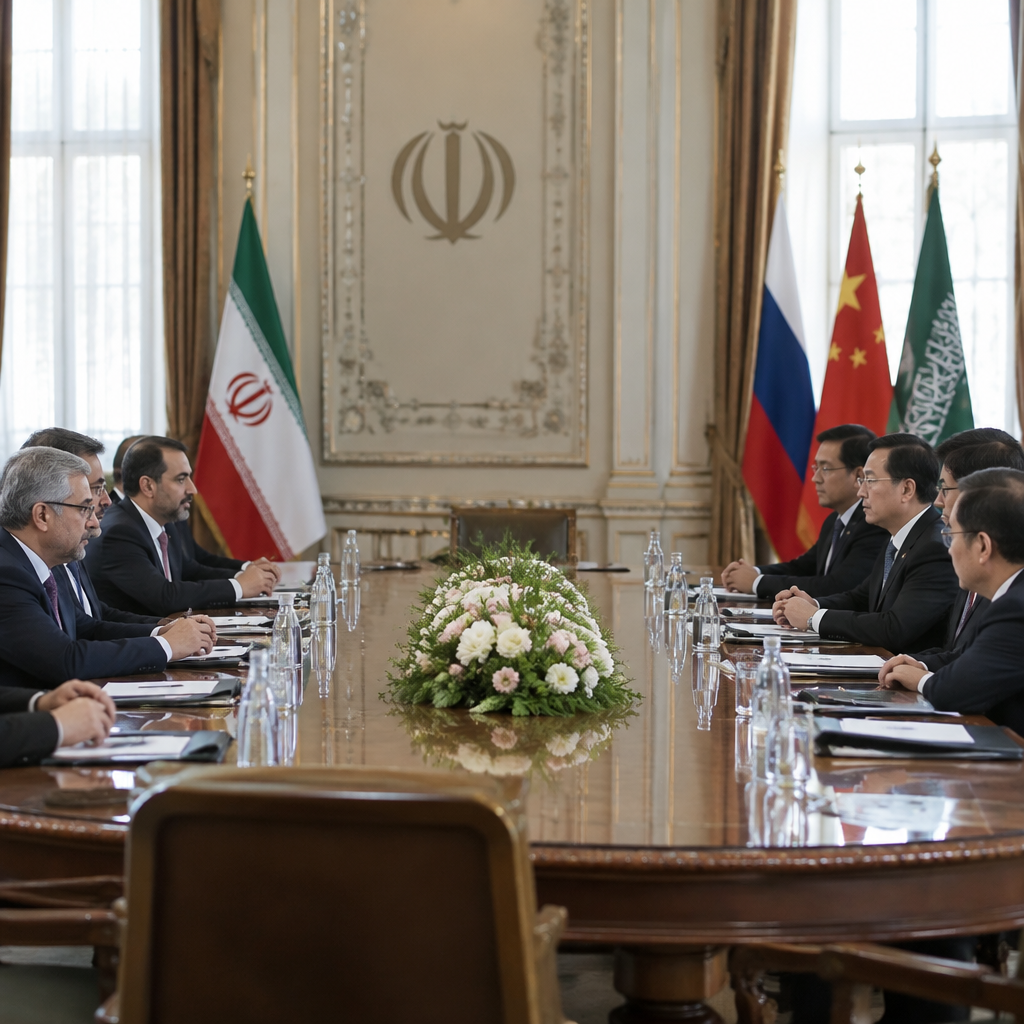
The appointment is noteworthy not only for the caliber of the individual involved, but also for the broader implications it holds for both business strategy and international relations. PwC, a longstanding pillar among global advisory firms, now aims to leverage specialised expertise honed in the intelligence community to navigate the complex and competitive world of Saudi contracts—a market that has been evolving due to the kingdom’s sweeping economic and military modernization under its Vision 2030 framework and other initiatives.
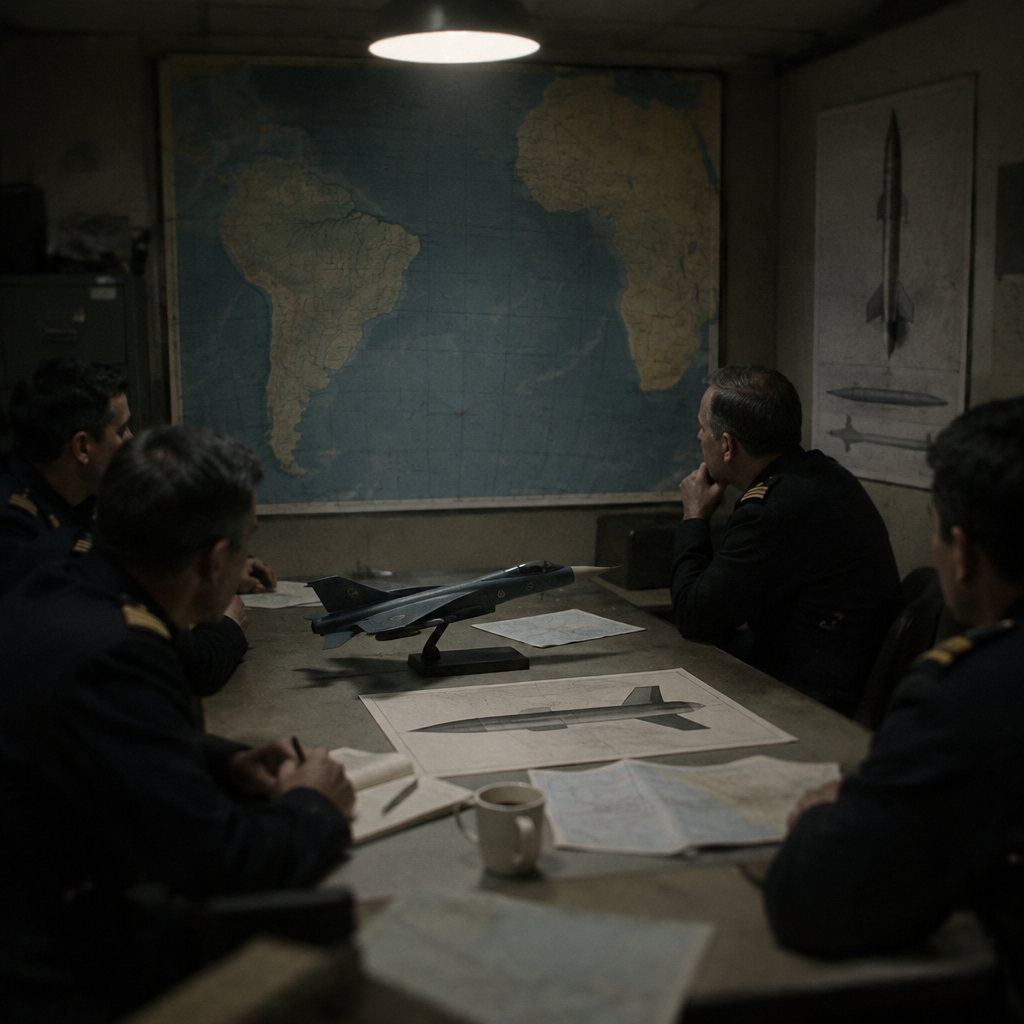
Historically, defence contracting and international consultancy have operated in distinct domains. The traditional role of intelligence officials has centered on national security priorities, while global consulting firms have focused on advising businesses and governments on regulatory, financial, and operational matters. However, recent trends suggest a growing convergence of these spheres. Governments and private enterprises are increasingly aware that the nuances of international risk, geopolitical insecurity, and evolving defence technologies require insights that only those steeped in the world of national security can provide. PwC’s latest recruitment is emblematic of this emerging paradigm.
As the global landscape shifts, PwC’s strategic move is designed to respond to a series of intertwined developments. Saudi Arabia, long noted for its vast energy reserves, has been diversifying its portfolio by investing heavily in its defence, technological, and infrastructural sectors. In doing so, the kingdom is not only keen on modernising its military capabilities, but is also aiming to reduce dependency on traditional partners by fostering domestic innovation and inviting foreign expertise. This reorientation of policy has created a dynamic market where contracts now potentially include high-technology weapon systems, infrastructural security projects, and extensive defence modernization programs.
According to a PwC press release issued earlier today, the firm’s decision to recruit this former intelligence official is rooted in an objective analysis of market opportunities in the Middle East. The release stressed that the appointee brings a nuanced understanding of defence procurement and security challenges directly relevant to the Saudi context. PwC officials noted that such engagements are not unusual in today’s geopolitical climate, yet they add an unprecedented depth of tactical and strategic perspective that could give their clients an edge in navigating an often opaque procurement process.
The speech by Secretary Hegseth at the Singapore venue only reinforced these concerns. Speaking to a diverse audience that included defence contractors, policymakers, and industry veterans, Hegseth underscored the importance of recognising the intricate interdependencies between business strategy and national security. While his remarks broadly covered the evolving role of consultancy in defence-related projects, they also raised tough questions about oversight, transparency, and potential conflicts of interest.
For industry insiders, the intersection of consultancy and defence intelligence is far from a novelty. It represents an adaptive response to the realities of modern geopolitics. Analysts at institutions such as the Brookings Institution and the Atlantic Council have long argued that the increasing complexity of global defence and security arrangements demands a rethinking of traditional roles. In previous instances, consulting firms have occasionally employed experts from the realms of diplomacy, technology, or intelligence to better serve their clients. Observers believe that PwC’s move is a continuation of that trend, albeit one that is now framed in the context of Saudi Arabia’s expanding market potential.
This development matters for several reasons. First, it illustrates how global advisory firms are willing to cross traditional professional boundaries to secure contracts in a highly competitive environment. Second, it raises important questions about the ethical dimensions of blending intelligence expertise with commercial interests. Lastly, it underscores the evolving role of Saudi Arabia as a focal point in international defence and economic policy discussions—a trend that not only impacts the region but reverberates across global markets.
- Market Dynamics: The engagement signals PwC’s commitment to navigating the layered market realities of the Middle East, where financial, legal, and security considerations are increasingly intertwined.
- Expertise Crossover: By integrating former intelligence expertise, PwC aims to demystify intricate defence procurement processes for its clients.
- Policy Implications: The move highlights ongoing debates about the role of private consultants in regions where geopolitical sensitivity is high, prompting a closer look at policy frameworks governing such engagements.
Recognising these dimensions, several experts have offered measured commentary. Michael Kron, a well-regarded analyst from the Center for Strategic and International Studies, explained that while leveraging intelligence experience in the commercial sphere is not without precedent, the unique context of Saudi engagements demands rigorous oversight and clear separation between public accountability and private advisory roles. Notably, such commentary has taken care not to insinuate conflicts of interest without documentary evidence, instead opting for a focus on strategic transparency.
Looking ahead, the implications of PwC’s appointment are likely to shape multiple dimensions of both corporate strategy and geopolitics. In the coming months, stakeholders will be watching for shifts in how defence contracts are negotiated and awarded within Saudi Arabia. Policy-makers and regulatory bodies in the United States and allied nations may also reassess guidelines governing the movement of former intelligence officials into roles in the private sector. Meanwhile, industry experts will monitor whether such initiatives push other advisory firms to seek out similarly specialized talent.
At a time when the lines between private business and public policy are increasingly blurred, PwC’s calculated risk may pave the way for more integrated approaches in securing high-stakes international contracts. This intersection of consultancy expertise and defence intelligence not only spotlights the competitive nature of modern procurement but also invites a broader conversation about ethics, regulation, and the future of global security collaboration.
Ultimately, the unfolding scenario serves as a reminder of the perennial truth underpinning international relations: expertise, no matter its source, remains a coveted commodity in a world where security and economic prosperity are inextricably linked. As commercial interests and national security continue to converge, one must ask—what safeguards will ensure that the quest for competitive advantage does not outpace the values of transparency and accountability?