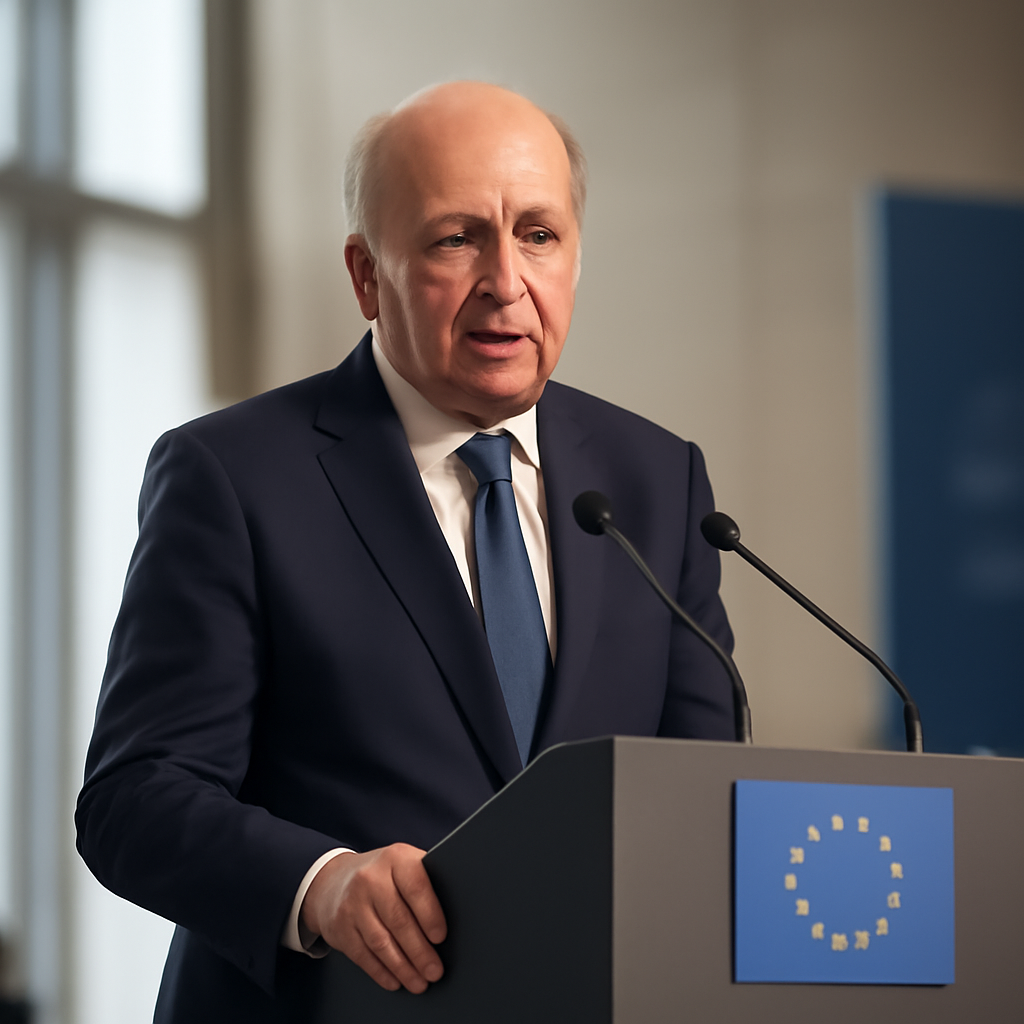
"What we can say is that our two teams at our ministry has been working extremely close and effective during the last couple of months, and lots of progress has been made on sorting out such thing as training, production, capacity, financing and so forth," Pål Jonson said, adding that there is mutual interest "to be able to provide the Ukrainians with the Gripen system, which is very well adapted to the Ukrainian needs."
Micael Johansson's timetable and Saab's public stance
Micael Johansson, Saab's company head, told Swedish public broadcaster SVT that a large agreement to deliver Gripen fighter jets to Kyiv "typically takes a few months," and that he "hopes it will be completed this year." Saab has publicly framed the potential deal as one that could reach up to 150 aircraft for Ukraine, a figure that references a long-term letter of intent signed in October between Ukraine's president and the Swedish government.
Saab's media relations head, Mattias Rådström, told Breaking Defense that the company defers timetable questions to Swedish authorities but is committed to working with Ukrainian partners to "achieve a successful outcome." Rådström added that Saab is "exploring a number of options to expand Gripen production capacity as global demand grows" and that Saab "will be ready to deliver based on customers' needs defined by the contract."
Production targets: 20 to 30 aircraft per year
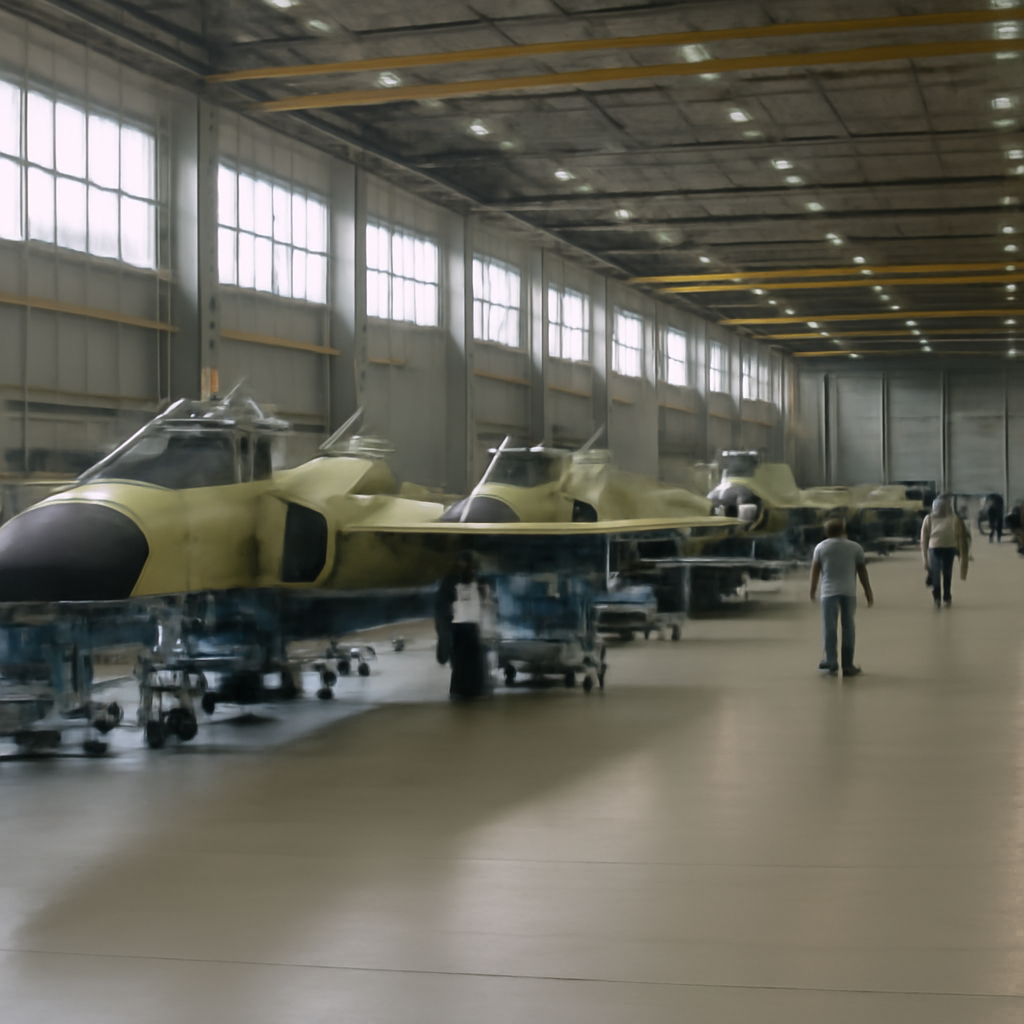
During Saab's Q1 performance update, Johansson outlined production ambitions: the company is "working toward a production rate of 20 to 30 aircraft per year" and, based on current and future orders, reaching 20 units annually would be "achievable in roughly one year." Aeronautics accounted for approximately SEK 82.2 billion of Saab's overall order backlog, which stands at SEK 274 billion, figures CFO Anna Wijkander presented on April 23.
Those targets are presented as company objectives tied to both existing commitments and the expectation of new export demand. Saab is exploring capacity expansion options and has an operational second assembly plant in Brazil; company representatives have also proposed a further facility in Canada to serve export orders.

This site is the portfolio.
OSINTSights runs on Cloudflare Workers, D1, R2, and Vectorize, with an AI pipeline on Hetzner ARM. Nubivance designed, built, and operates it. We do the same for clients.
See what we buildUkraine's financing posture and recent diplomatic moves
Kyiv has signaled readiness. Ukrainian President Volodymyr Zelenskyy visited Saab's Linköping hub in October and signed the long-term letter of intent with the Swedish government that frames possible exports of "100 to 150 Gripen E jets." This week, Ukrainian Defense Minister Mykhailo Fedorov traveled to Sweden and said Kyiv was "ready," adding that Ukraine had developed its "own plan on how to finance this project," though he did not disclose details.
The letter of intent and Fedorov's comments are the diplomatic anchors for ongoing technical and commercial negotiations now being coordinated between Saab, Swedish authorities, and Ukrainian counterparts.
Swedish defense ministry: practical challenges remain
Swedish Defense Minister Pål Jonson cautioned that while progress has been made, challenges persist around training, production, capacity and financing—items he listed explicitly at the press conference. Jonson emphasized close teamwork at the ministry level and repeated that interest exists on both sides to provide the Gripen system to Ukraine, citing capabilities such as a "dispersed system" and a "strong electronic warfare component" as reasons the aircraft would be "very well adapted to the Ukrainian needs."
Jonson's comments underline that, even if political will is present, a package of practical elements must be resolved before contracts can be signed and deliveries start.
Assembly capacity: Brazil, a proposed Canada facility, and export logistics
Saab already operates a second assembly plant in Brazil. The company has also proposed an additional facility in Canada to serve export orders, a proposal made while Ottawa considers whether to "stick with a planned F-35 fighter jet buy or potentially operating a mixed fleet with Gripen aircraft," according to the source. These production and geographic options are tied to Saab's broader strategy to match capacity to customer contracts and to meet the higher production rates it has signaled.
What this means for Ukraine, Saab, and the Swedish government
- Ukraine: Kyiv has publicly stated it is "ready" and claims to have a financing plan; its priorities include acquiring a system Saab and Sweden present as suited to dispersed operations and electronic-warfare needs.
- Saab: The company is pursuing a near-term ramp-up to 20–30 aircraft per year, exploring new production capacity and deferring formal timetable commitments to Swedish authorities while saying it will "be ready to deliver based on customers' needs defined by the contract."
- Swedish government: The ministry is focused on sorting out training, production, capacity and financing issues and has signaled close interdepartmental work, while stopping short of promising a completed deal this year.
The record in public statements is clear: a path exists from a letter of intent toward a large export contract, but it is contingent on resolving finance, production and training logistics. Saab's stated ability to reach a 20-aircraft annual output in roughly one year, its existing Brazilian assembly plant, and proposals for a Canadian facility are concrete pieces of that puzzle. Who signs what and when now depends on the next phase of negotiations among Saab, Swedish authorities and Ukrainian officials — and on the financing details Kyiv says it has developed but has not disclosed.