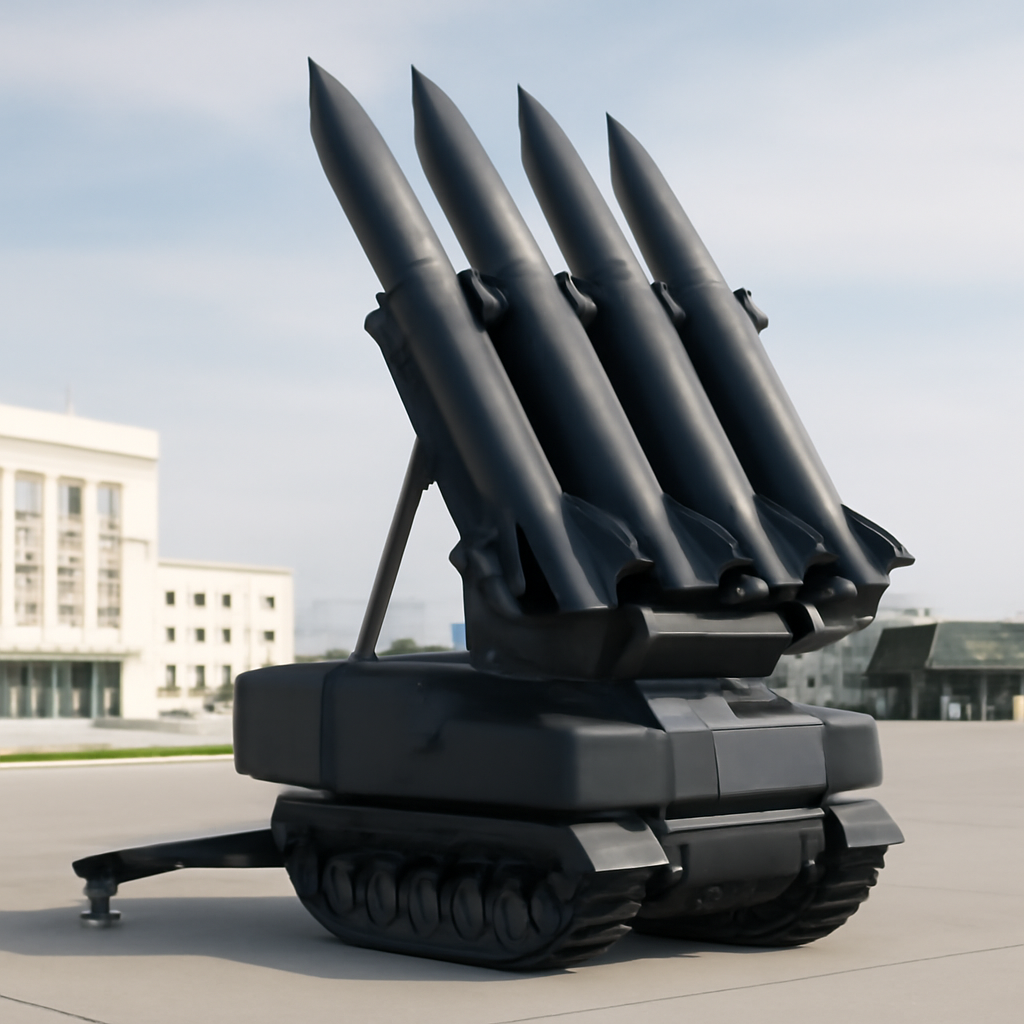
“Rafael is honored to sign the largest deal in the company’s history and to provide another NATO nation with an advanced air defense system,” said Yoav Tourgeman, Rafael’s CEO, as the Israeli firm announced a strategic framework with Bucharest estimated at more than €2 billion ($2.3 billion).
Rafael and Romania: a strategic framework exceeding €2 billion
Rafael’s Sunday statement and a Romanian release describe the agreement as the initial phase of a broad strategic framework valued at over €2 billion. The framework covers the acquisition and support of the SPYDER family of systems and is described by Rafael as “the largest deal in the company’s history.” Romania’s statement said the agreement was signed through CN Romtehnica SA, a company under the Romanian Ministry of National Defense.
What the Spyder package will include
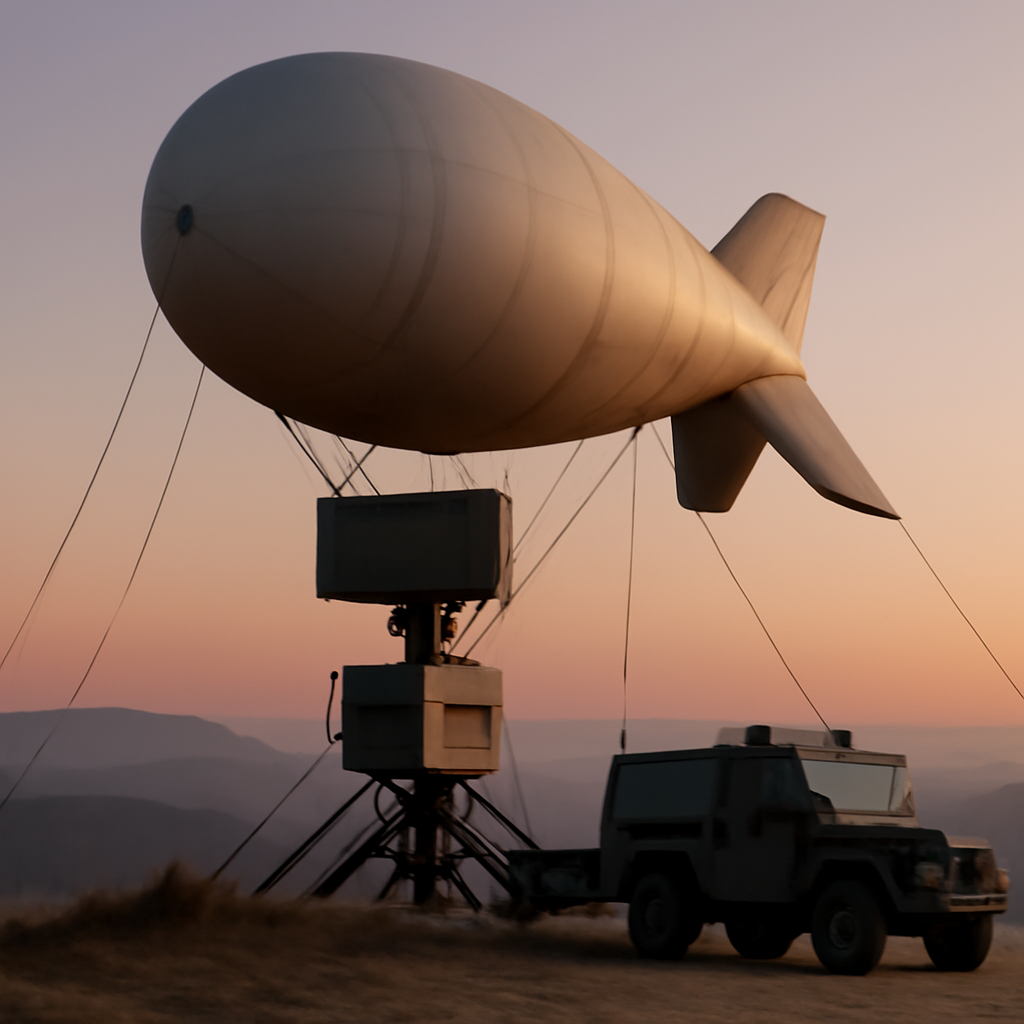
The contract encompasses launchers, interceptors, radar systems, training arrays and logistical support — a packaged capability set Rafael said will enable SPYDER to serve as a “European standard.” Bucharest plans to acquire six integrated SPYDER systems. Rafael states the systems are intended to protect Romania against short- to medium-range aerial threats including drones and cruise missiles. SPYDER is described as a mobile system that uses Rafael’s Python and Derby missiles.

This site is the portfolio.
OSINTSights runs on Cloudflare Workers, D1, R2, and Vectorize, with an AI pipeline on Hetzner ARM. Nubivance designed, built, and operates it. We do the same for clients.
See what we buildDelivery timetable and training commitments
The Romanian Ministry of National Defense specified concrete timing for an initial tranche: “The first two [Spyder] systems will be delivered within three years from the signing of the first subsequent contract, and operator training courses for these systems will be conducted before the start of acceptance activities.” That phrasing ties the delivery clock to a follow-on contract rather than to the framework announcement itself.
CN Romtehnica SA and local production promises
Rafael’s statement and the Romanian release both highlight industrial cooperation. The agreement, signed through CN Romtehnica SA, envisions “extensive industrial cooperation and local production in Romania,” Rafael noted, signaling that the package includes transfer or establishment of work inside Romania rather than purely foreign-delivered equipment.
What this means for Bucharest, Rafael, and NATO
- Bucharest: The purchase adds six integrated short- to medium-range systems and immediate preparations for operator training; Romania framed the acquisition as aligning its procurement with NATO standards.
- Rafael: The company touted the transaction as its largest-ever deal and a vote of confidence from a NATO nation, positioning SPYDER as an operationally proven option for European customers.
- NATO: Romania’s statement and Rafael’s language emphasize interoperability and standardization, with the explicit line that the acquisition “reinforces its commitment to procuring advanced air defense solutions in line with NATO standards.”
How the Romanian buy fits a wider European trend
Rafael placed the Romania agreement in a regional context of expanding layered air defenses. The company noted recent and past Israeli-related European moves: Germany acquired Israel Aerospace Industries’ Arrow system; Finland signed for Rafael’s David’s Sling in 2023; the Czech Republic acquired SPYDER in 2021. Rafael also cited other ties with Romania — past Spike anti-tank sales and demonstrations — and Elbit Systems’ recent moves in the country, including an unmanned systems facility announced in April and several 2023 contracts to supply electronic warfare suites and helicopter optics. Greek media, Rafael observed, reported Athens was moving closer to acquiring SPYDER and other air defenses in a multi-billion-dollar deal.
The agreement thus serves two simultaneous purposes: it expands Bucharest’s immediate air-defense footprint with a package of systems, munitions and support, and it frames SPYDER as part of a growing NATO- and Europe-facing inventory of Israeli-made systems. Concretely, the schedule now depends on the signing of the “first subsequent contract” that triggers the three-year delivery window for the first two systems and the start of operator training — a next step whose timing will determine how quickly Romania’s layered defenses are enhanced.