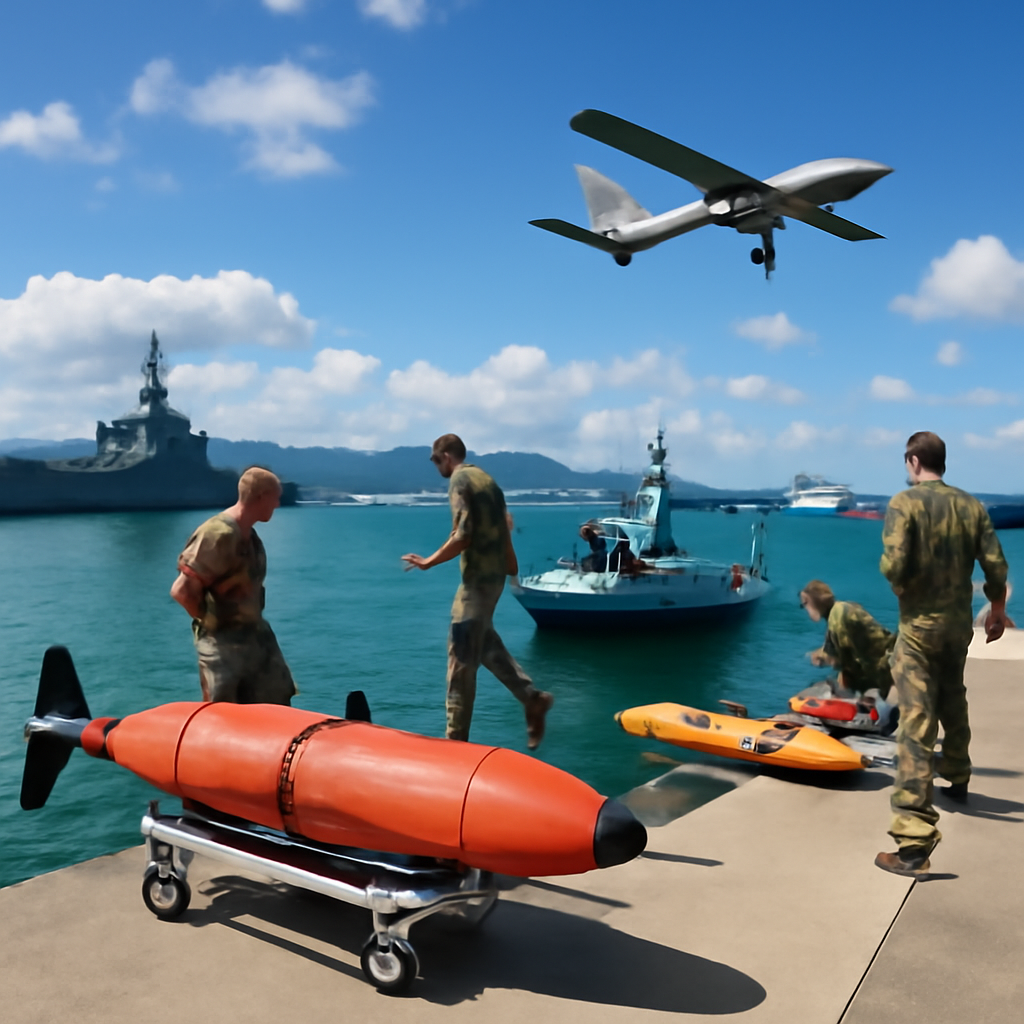
"The experiments are a major part" of this year’s Rim of the Pacific exercise, Vice Adm. Jeffrey Jablon said, underscoring a deliberate pivot toward testing new systems and concepts as RIMPAC begins in Hawaiian waters.
Vice Adm. Jeffrey Jablon on experimentation and command
Jablon, the Pacific Fleet’s second-in-command, told reporters at Joint Base Pearl Harbor–Hickam that experimentation will be central to the 30th iteration of the biennial Exercise Rim of the Pacific. He declined to provide specifics about the experiments but is serving as the commander of the combined task force for RIMPAC. Jablon framed his top priorities for the roughly 30,000 participants as “safety, environmental stewardship, and professionalism.”
Unmanned systems: 30–35 experiments
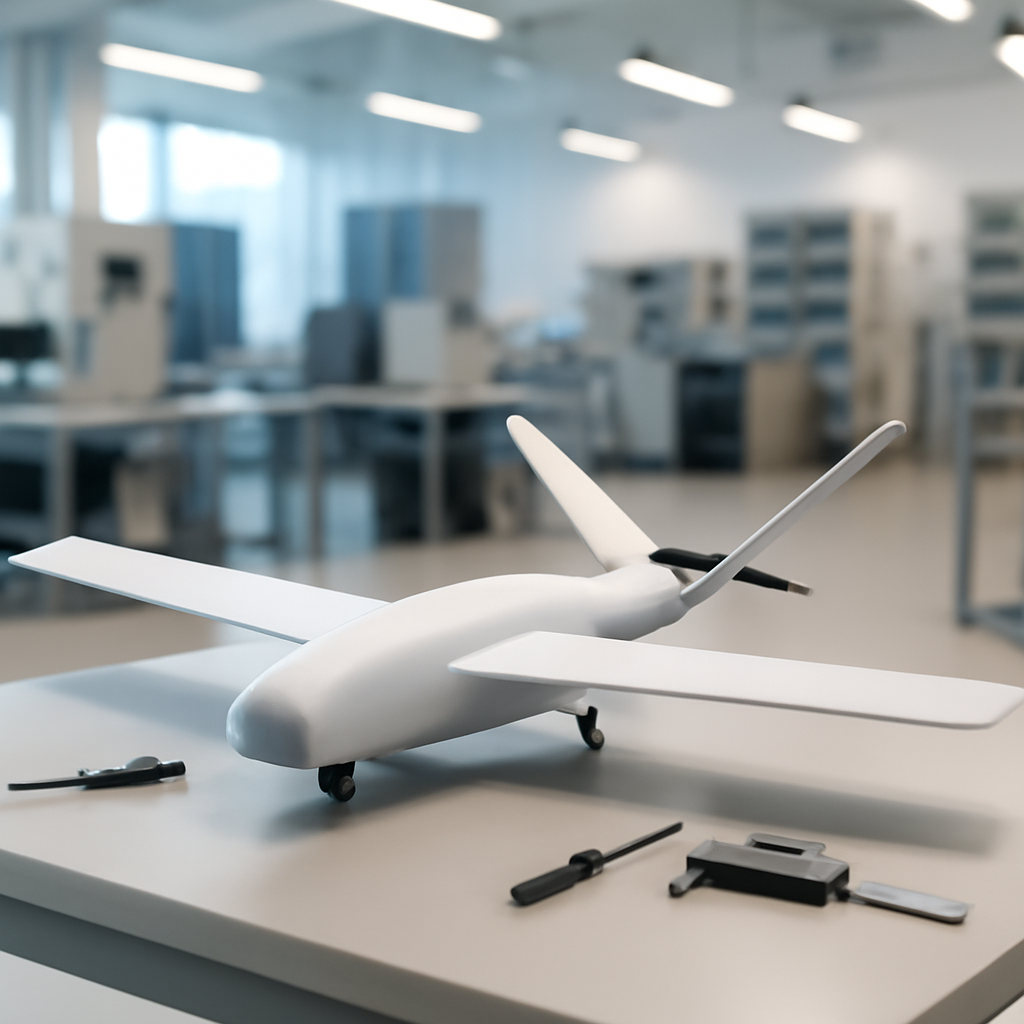
The exercise will feature between 30 and 35 experiments that involve unmanned systems, Jablon said. While he did not detail the platforms or objectives, he described the experiments as “a major part” of this year’s RIMPAC and emphasized experimentation alongside the traditional live-training events.

Audit-ready is a season. It shouldn't be.
Evidence in spreadsheets, controls drifting between audits, frameworks multiplying on flat headcount. Nubivance runs continuous compliance on Rapid7 Cyber GRC - SOC 2, HIPAA, ISO 27001, PCI, CMMC.
End the scrambleScale and composition of RIMPAC 30
RIMPAC will bring together 30 countries, 31 surface ships, five submarines, and nearly 200 aircraft, according to Jablon. About 30,000 personnel are participating. Jablon said the ongoing war with Iran “had no impact” on RIMPAC and that “the United States is contributing the same number of forces that we normally contribute.”
The broader security context was referenced directly: though deterring China and preparing to defend against a potential attack are described as major focuses for U.S. Indo-Pacific Command, Jablon stressed that RIMPAC “is not about any one particular country or a deterrent for any one particular country.”
Multinational leadership and partnership
Organizers framed command roles to emphasize partnership. The deputy commander of the combined task force is a Chilean navy officer; the vice commander is a Japan Maritime Self-Defense Force officer; the maritime component commander is a Korean navy officer; and the air component commander is a Royal Canadian Navy officer. Jablon invoked the exercise theme — “partners: integrated and prepared” — when describing that multinational command structure.
What this means for U.S. Indo-Pacific Command, participating navies, and local communities
- U.S. Indo-Pacific Command: The command will be balancing its broader posture priorities — including deterrence and defense readiness — with the messaging Jablon offered that RIMPAC is not targeted at any single country. The participation and scale reported aim to demonstrate continuity in force contributions despite wider regional tensions.
- Participating navies: With multinational officers in senior roles and dozens of experiments tied to unmanned systems, navies will use RIMPAC to test interoperability and new concepts in an integrated setting while maintaining the stated priorities of safety and professionalism.
- Local communities and environmental interests: Jablon placed environmental stewardship among the top priorities for the exercise, signaling that organizers intend to keep ecological impact and safety considerations visible as live-action events and a planned sinking of two decommissioned U.S. Navy ships conclude the exercise.
The 30th RIMPAC combines a deliberate turn toward experimental unmanned systems with the familiar scale and spectacle of a multinational maritime exercise. With 30–35 experiments embedded in an exercise that brings tens of thousands of personnel and hundreds of platforms together, organizers have framed the event as both an operational testbed and a demonstration of interoperable partnership — all while emphasizing safety, environmental stewardship, and professionalism as guiding limits.