Philippines Expands Air Defense Arsenal with Major FA-50 Jets Procurement
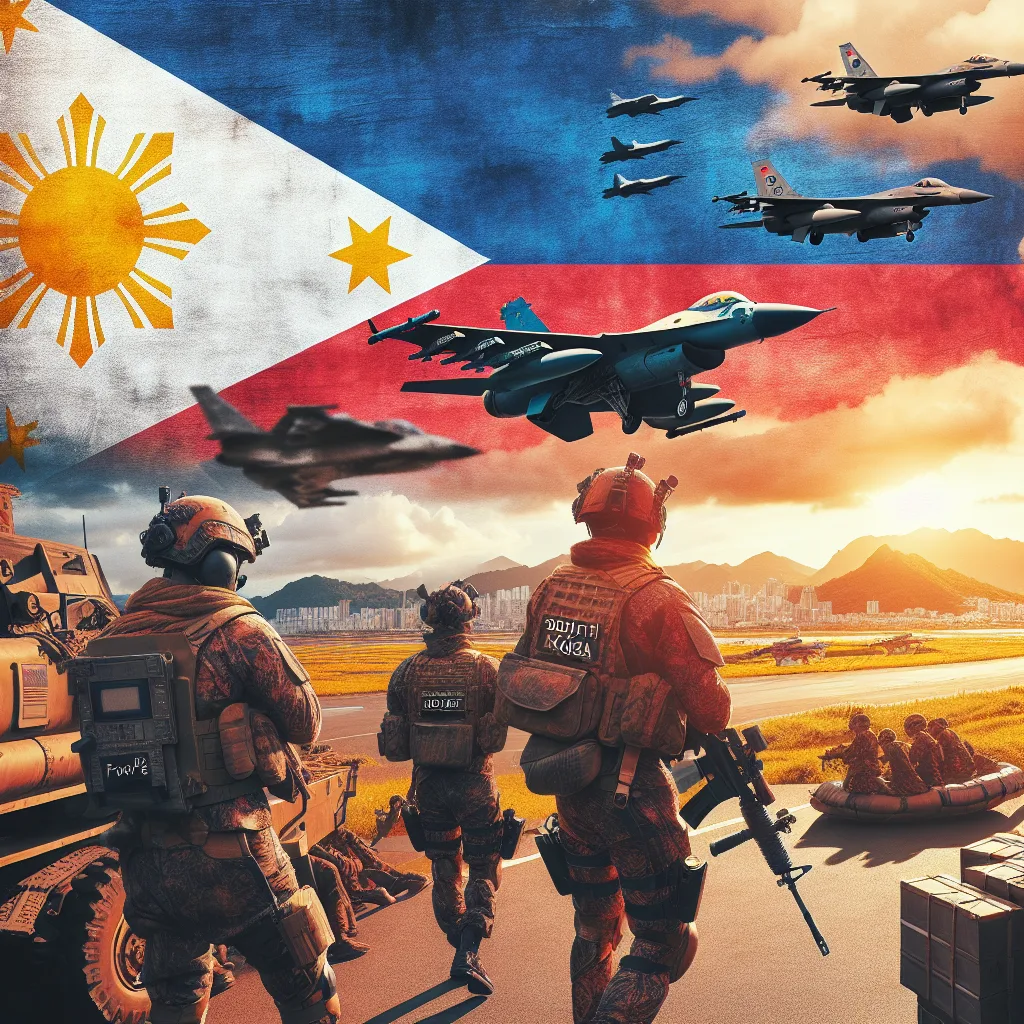
The Philippine Department of National Defense has secured a $700 million deal with Korea Aerospace Industries Ltd. (KAI) for the delivery of 12 FA-50 light combat aircraft by 2030. This contract, disclosed by South Korea’s Defense Acquisition Program Administration (DAPA), marks the second agreement of its kind between the two nations, solidifying an ongoing defense partnership that dates back to 2014.
In a climate where regional security concerns are mounting, the acquisition represents more than just an upgrade to the country’s aerial capabilities. It underscores the Philippines’ strategic effort to modernize its military assets amid evolving geopolitical dynamics in the Asia-Pacific region. Military analysts emphasize that such procurements are critical for national defense and regional stability, as they enable a country to better protect its airspace and participate in joint security initiatives with allied nations.
Historically, the Philippines has pursued diversification in its defense relationships. The contract with KAI follows the 2014 deal for FA-50 jets—a move that was widely seen as an effort to balance military partnerships and reduce reliance on traditional suppliers. Over the past decade, multiple nations in the region have sought similar upgrades to their air forces, driven by both economic growth and heightened security considerations.
Central to this transaction is the FA-50, a light combat aircraft known for its versatility and cost-effective performance. Initially designed as a trainer aircraft, the FA-50 has been adapted to fill light attack roles, providing both air-to-ground capability and advanced training functions. Its performance attributes, including speed, maneuverability, and the capacity to carry modern munitions, make it an attractive option for countries looking to enhance their combat readiness without the steep price tags associated with more advanced fighters.
Officials from the Philippine Department of National Defense described the deal as a timely reinforcement of national defense capabilities. A spokesperson stated that “the acquisition aligns with our long-term strategy to modernize our air force and strengthen our defense posture.” Although further operational details remain under wraps, the agreement’s projected delivery schedule through 2030 indicates a phased approach to integration and modernization.
Considerable attention has been paid to ensuring that the procurement process adheres to international standards and best practices. The Philippine government has consistently emphasized transparency and accountability in defense acquisitions, particularly given the scale of investment involved. With a deal valued at $700 million, close scrutiny of contract terms and delivery benchmarks is expected from both domestic oversight bodies and international defense analysts.
Analysts familiar with the deal, such as those from the International Institute for Strategic Studies (IISS), underline the broader regional implications. The renewed engagement between the Philippines and South Korea in the defense sector may complement a wider realignment among countries in the Asia-Pacific, where military modernization efforts are increasingly interlinked with economic and diplomatic strategies. As regional powers recalibrate their defense strategies amidst an unpredictable security environment, these procurements serve both as defensive measures and as symbols of political resilience.
Looking behind the statistics and contractual language, the human element remains a crucial dimension of this narrative. More than fifty years after its independence, the Philippines continues to navigate the complexities of modernization while grappling with long-standing security challenges. For servicemen and women, the introduction of these jets is not merely a technical upgrade—it represents a tangible boost to national morale and an affirmation of their commitment to safeguarding their homeland.
From an economic standpoint, the contract is expected to stimulate job creation and foster technology transfer between South Korea and the Philippines. Defense procurement deals such as these often ripple into broader sectors, supporting local industries that provide maintenance, training, and technical support. Economic analysts suggest that the ancillary benefits could help bolster economic resilience, particularly in an environment marked by fluctuating global market conditions.
It is important to note that every significant defense contract comes with multifaceted challenges. The integration of new technology requires not just procurement of hardware, but also substantial investments in personnel training, infrastructure upgrades, and long-term maintenance regimes. The phased delivery approach, planned until 2030, will likely allow the Philippine military ample time to adjust operational practices and integrate the new assets within competitive training frameworks established over decades.
- Modernization Drive: The acquisition clearly fits into the Philippines’ broader strategy to modernize its military while addressing emerging maritime and aerial threats in the region.
- Economic Impact: Beyond defense, the contract is expected to create opportunities for local industries, from maintenance services to technical training, reinforcing domestic capabilities.
- Regional Security: The deal mirrors similar modernization efforts by neighboring nations, potentially rebalancing power structures and encouraging multilateral engagements in the Asia-Pacific.
While the headlines capture the essence of a lucrative defense contract, the deeper narrative involves careful planning, strategic foresight, and the ever-present reality of regional tensions. Experts such as Lieutenant General Romeo Brawner Jr.—a senior figure in the Philippine defense community—have publicly underscored the move as a proactive step toward greater self-reliance and enhanced interoperability with allied forces. Their perspective serves as a reminder that modern defense is not solely about machines and munitions, but about the comprehensive readiness of a nation’s armed forces.
In the coming years, observers will closely monitor how the Philippine military integrates the new FA-50 jets into its existing structure. Key questions remain: How will the enhanced capabilities affect regional deterrence? Will the delivery timeline be met amidst potential logistical and training challenges? And how might this procurement influence broader diplomatic relationships in Southeast Asia?
As the Philippines embarks on this transformative phase, the eyes of both regional competitors and global defense strategists will be keenly turned toward Manila. The success of this program, if managed with diligence and foresight, could well serve as a blueprint for other mid-sized nations seeking systemic, modernized defense solutions.
Ultimately, the purchase of the FA-50 jets transcends contract numbers and delivery schedules. It encapsulates a nation’s enduring quest for security, sovereignty, and the ability to navigate an increasingly complex international landscape. As history teaches us, in the theater of modern defense, progress is as much about careful preparation and human resolve as it is about technological superiority. The question remains: will these jets soar to meet both the tactical and symbolic aspirations of the Philippines in the decades ahead?