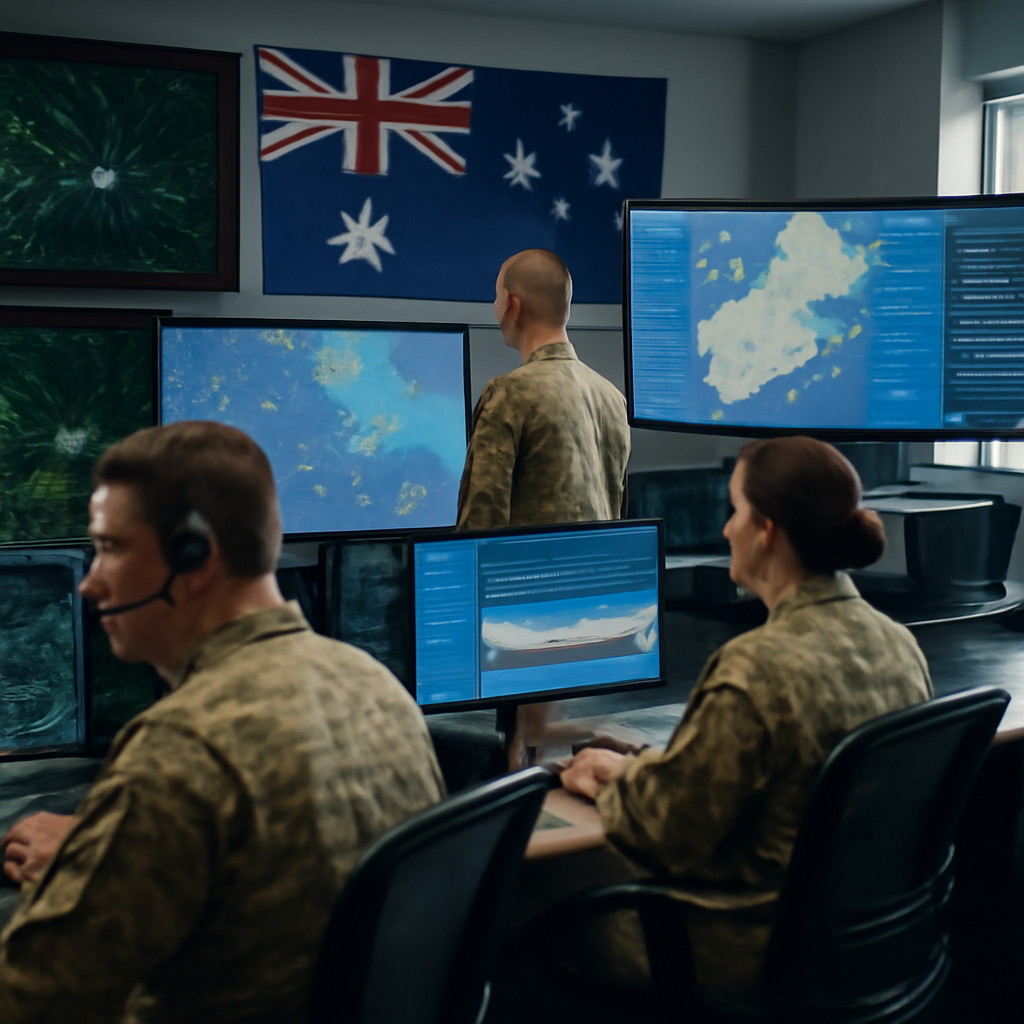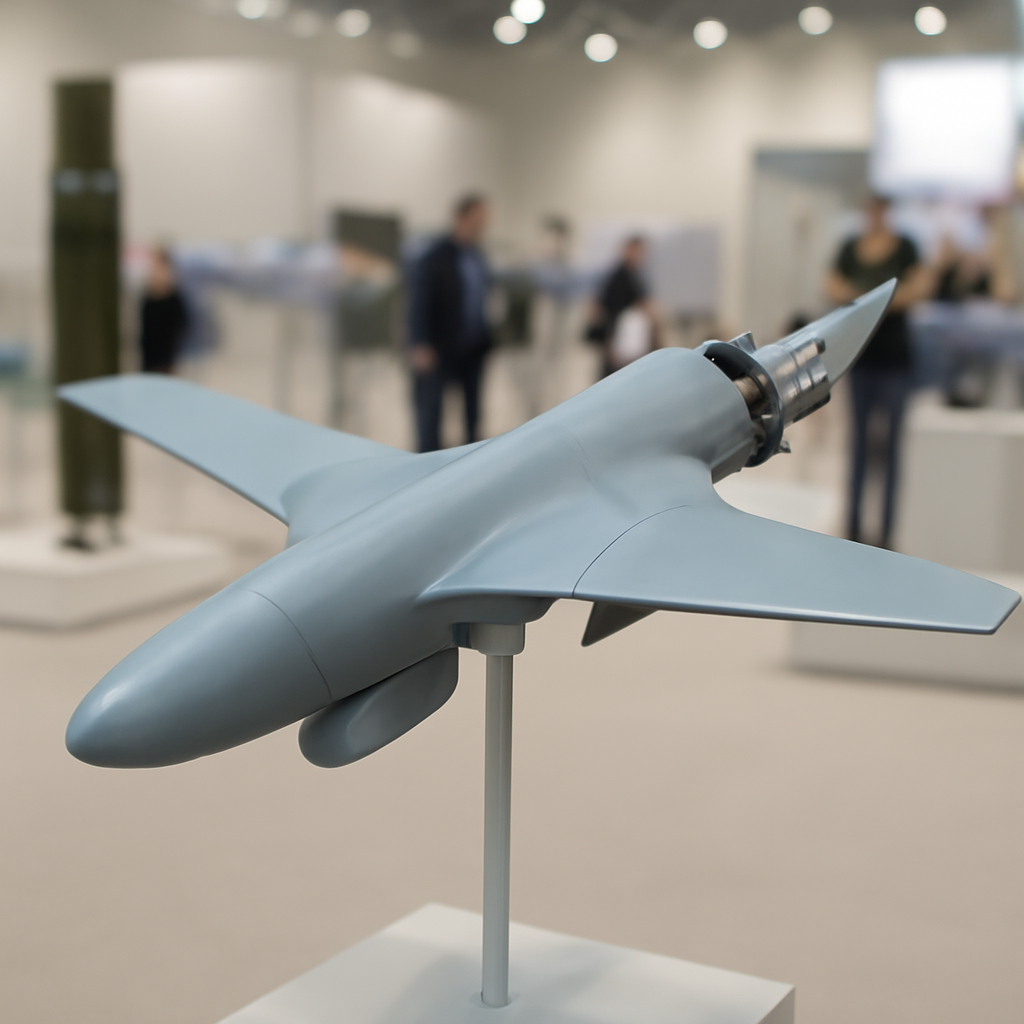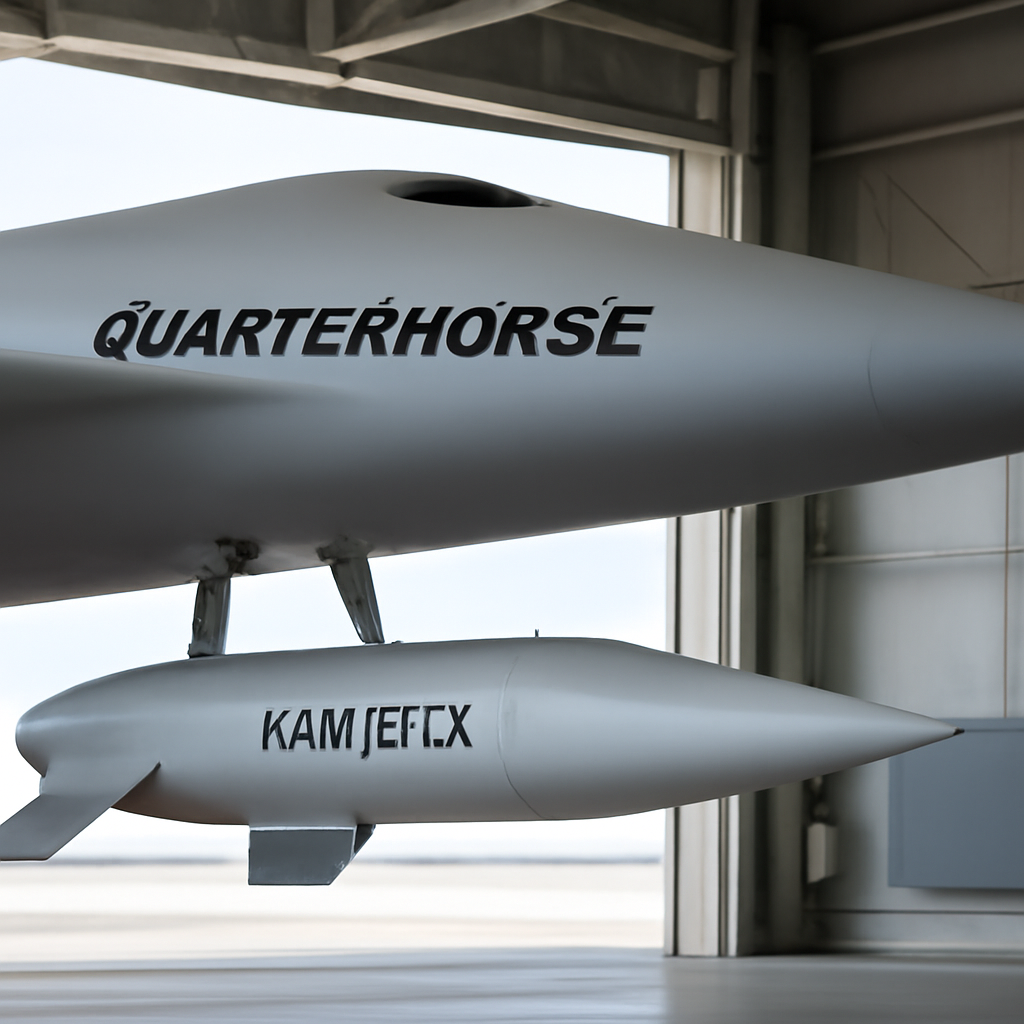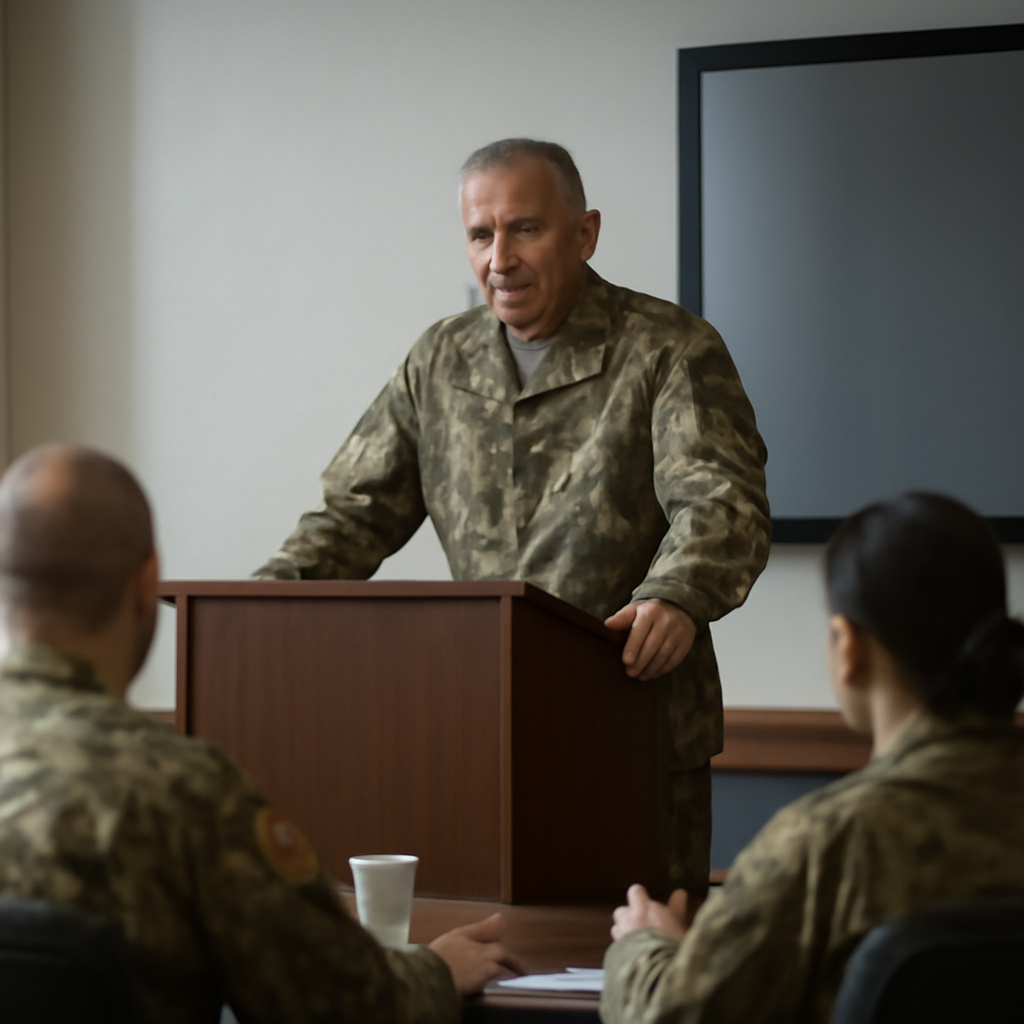
"We’re at a point where there is a potential for us to get, uh, some money out of the FY27 budget, the president’s budget, that will go directly to DAWG," Lt. Gen. Steven Marks said at the NDIA Emerging Technologies Conference, warning that without at least some of the requested funds "the momentum that we have created since DAWG has been stood up, over a year ago, will be waning."
Marks’ public warning at the NDIA Emerging Technologies Conference
Lt. Gen. Steven Marks, the three-star director of the Defense Autonomous Working Group (DAWG) and vice‑commander of Special Operations Command, used a public forum to connect a narrow budgetary outcome to program momentum. He said he did not know whether DAWG would receive the nearly $54 billion the administration requested for FY27 and expressed particular concern that receiving nothing above a minimal baseline would undercut work begun since DAWG was established a little more than a year earlier.
Marks declined to discuss program specifics on stage, citing classification: "All of our systems are all classified, and so I will not be talking in detail about those," he told the conference.
The $54.6 billion ask and the reconciliation risk
The administration requested $54.6 billion for DAWG in FY27. Of that amount, $53.6 billion was placed in the budget reconciliation package alongside other administration priorities such as the Golden Dome missile defense system, rather than in the department's standard base budget request. If reconciliation fails to pass in Congress, DAWG could be left with $1 billion through the base budget—four times the $226 million the program received for FY26, but under 2% of the original $54.6 billion plan.
Marks signaled the narrowness of the program’s financial runway: he said he did not know whether the "full ask of $53.6 billion" would clear and made clear his primary fear was that the program would be left with "something" too small to preserve the current tempo of development.

The cyber insurance questionnaire just landed. Now what?
SOC 2, HIPAA, insurance renewals - someone has to own security strategy. Nubivance provides fractional CISO leadership without the full-time salary.
Get a security leadOperational priorities: common standards, control interfaces and training
Before turning to budget concerns, Marks was speaking about the need to impose common standards across unmanned systems. He described a visit "in Alabama at Camp Clark, outside of Birmingham, at 20th Special Forces Group," where he heard operators running six to eight different systems in a single exercise.
"We need to identify and pick one or two and standardize it, standardize it across the entire formation," Marks said, arguing that divergent systems "each ... require a different skill set" and that standardization of systems, control interfaces and training is "critical to the future of autonomous warfare." He tied that standardization imperative directly to his concern that funding lapses could halt efforts to codify interfaces and training across the force.
Attritable drones, Replicator and the cost-imposition problem
DAWG is an initiative of the current administration that consolidated and absorbed the Biden-era Replicator initiative, which had focused on acquiring thousands of low-cost, "attritable" drones—especially for operations in the Pacific. Under DAWG's broader posture, the department is seeking to accelerate investments across multiple platforms and collaborative autonomy efforts.
Marks framed the funding question as a strategic mismatch in costs: "They can take a $100,000 drone and conduct an attack against a $2 billion vessel. … We are on the losing end of that cost imposition curve," he said, noting that adversaries have watched U.S. capabilities and adjusted. He also referenced current conflicts by name, saying, "I have looked over and seen what they’re doing in Ukraine" and "see what’s going on with Operation … Epic Fury" in the Middle East as part of the context for urgency.
What this means for Special Forces, Congress, and U.S. adversaries
- Special Operations units (e.g., 20th Special Forces Group): Operators face multiple, nonstandard unmanned systems in the field and, as Marks put it, need a narrowed set of standardized platforms and training if commanders are to reduce complexity and operator workload.
- Policymakers and procurement leaders (Congress and the FY27 budget process): The choice to route $53.6 billion of DAWG funding through reconciliation creates a binary outcome—passage preserves the program’s expansive plan, while failure leaves DAWG with a comparatively small $1 billion base request and the risk of reduced momentum.
- U.S. adversaries: Marks argued adversaries have noticed U.S. capabilities and are exploiting a cost asymmetry by using far cheaper systems to threaten much more expensive platforms, a dynamic he said DAWG’s investments aim to address.
Marks’ message was both simple and direct: classified programs and ambitious procurement bets need predictable capital to sustain fast-moving development and integration work. The line he returned to most was blunt—if DAWG receives "something," momentum can continue; if it does not, the work begun since DAWG stood up faces a real danger of stalling. Whether Congress approves reconciliation funding or DAWG must proceed on a far smaller base budget will determine which of those futures arrives.
Ashley Roque contributed to this report.