"knowing what is in their fridge without being too creepy," said Carrie Drinkwater, chief investment officer at Carat.
How Papa Johns, NBCUniversal, Instacart and Carat collaborated
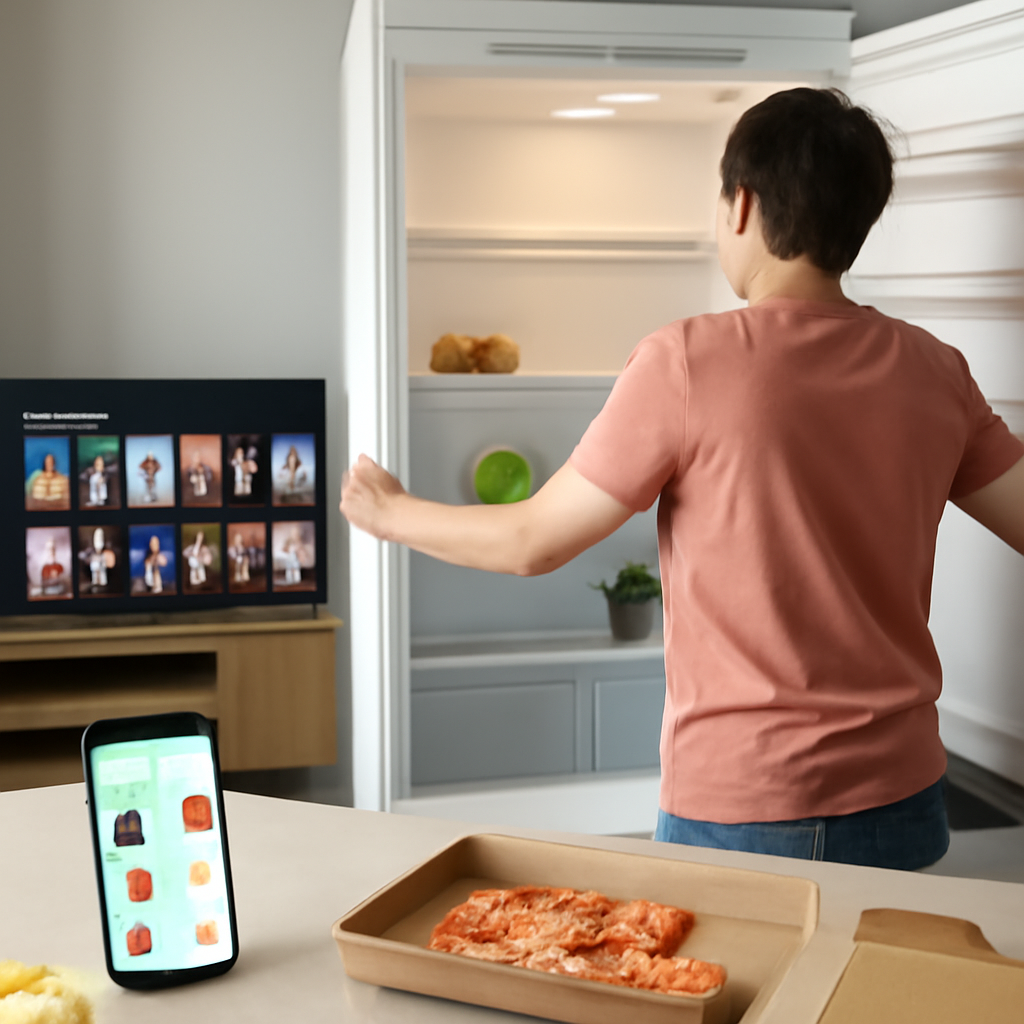
Papa Johns engaged three partners to try to reach consumers at moments when they might be most susceptible to ordering pizza: NBCUniversal (NBCU) for streaming inventory, Instacart as the source of grocery purchase behavior, and Carat, the dentsu-owned media agency, to tie the pieces together. The partners created a custom audience drawn from Instacart shoppers who regularly buy grocery staples and then used that audience to place ads during NBCU streaming content on days those shoppers were likely to be low on groceries.
Which purchase signals were used — and how they were interpreted
The campaign used specific grocery staples as the signal set: eggs, milk, meat and produce. By identifying shoppers who regularly purchase those items on Instacart, the campaign attempted to infer patterns about when a household was likely to run low and therefore potentially open to a quick meal option. According to the account, Papa Johns determined "which days of the week certain consumers are likely to run out of groceries" and timed ad delivery on NBCU streaming content accordingly.

The cyber insurance questionnaire just landed. Now what?
SOC 2, HIPAA, insurance renewals - someone has to own security strategy. Nubivance provides fractional CISO leadership without the full-time salary.
Get a security leadCreative execution: custom creatives, QR codes, and calls to action
Papa Johns did not rely on a single creative. The brand served custom creatives tailored to inferred food preferences — for example, whether a consumer buys meat regularly — and placed explicit prompts on the ads such as "Light on groceries?" and "Empty fridge?" Creative elements included QR codes and calls to action designed to convert attention into an order.
Privacy framing and a tactical lesson from 2012
Carat’s chief investment officer, Carrie Drinkwater, framed the effort as a balancing act: reach consumers by "knowing what is in their fridge without being too creepy." The campaign’s architecture reflects a tactic that the source traces back to a well-known 2012 example: advertisers can reduce the perceived creepiness of accurate inferences by deliberately introducing errors or masking the precise inference with other, incorrect information. As the source puts it, "the trick is to hide the knowledge in other, wrong, information" — and therefore "the way for Papa John’s to not be 'too creepy' is to deliberately get it wrong sometimes." The account closes on a succinct reaction: "But still, ugh."
What this means for end users, advertisers, and policymakers
- End users: People who shop with Instacart can be placed into custom audiences based on purchases of eggs, milk, meat and produce; those inferred patterns may trigger targeted ads on NBCU streaming content timed to days when they are thought to be running low on groceries.
- Advertisers and media agencies: Brands can combine purchase-level data from e-commerce grocery platforms with streaming inventory to time messaging and tailor creatives — including QR-driven calls to action — based on inferred food preferences like frequent meat purchases.
- Policymakers and regulators: The reported approach highlights a cross-platform data linkage — grocery purchase signals informing streaming ad delivery — that may prompt questions about how consumer purchase data are used in ad targeting and how consumers perceive the resulting messaging.
Conclusion
The Papa Johns campaign, as described, is a compact example of a broader capability: linking real purchase behaviors from a grocery platform to streaming ad delivery and tailoring creative invites at predicted moments of need. The partners named — NBCUniversal, Instacart and the dentsu-owned agency Carat — engineered an audience from purchases of eggs, milk, meat and produce, timed ads to days when those audiences were likely to run low, and served creatives that ask, in plain language, whether the viewer's fridge is empty. Whether that balance of effectiveness and perceived intrusiveness will sit well with consumers, or with observers who recall the 2012 precedent, is left as an open question by the reporting — and, as the source notes bluntly, it still makes one say, "ugh."