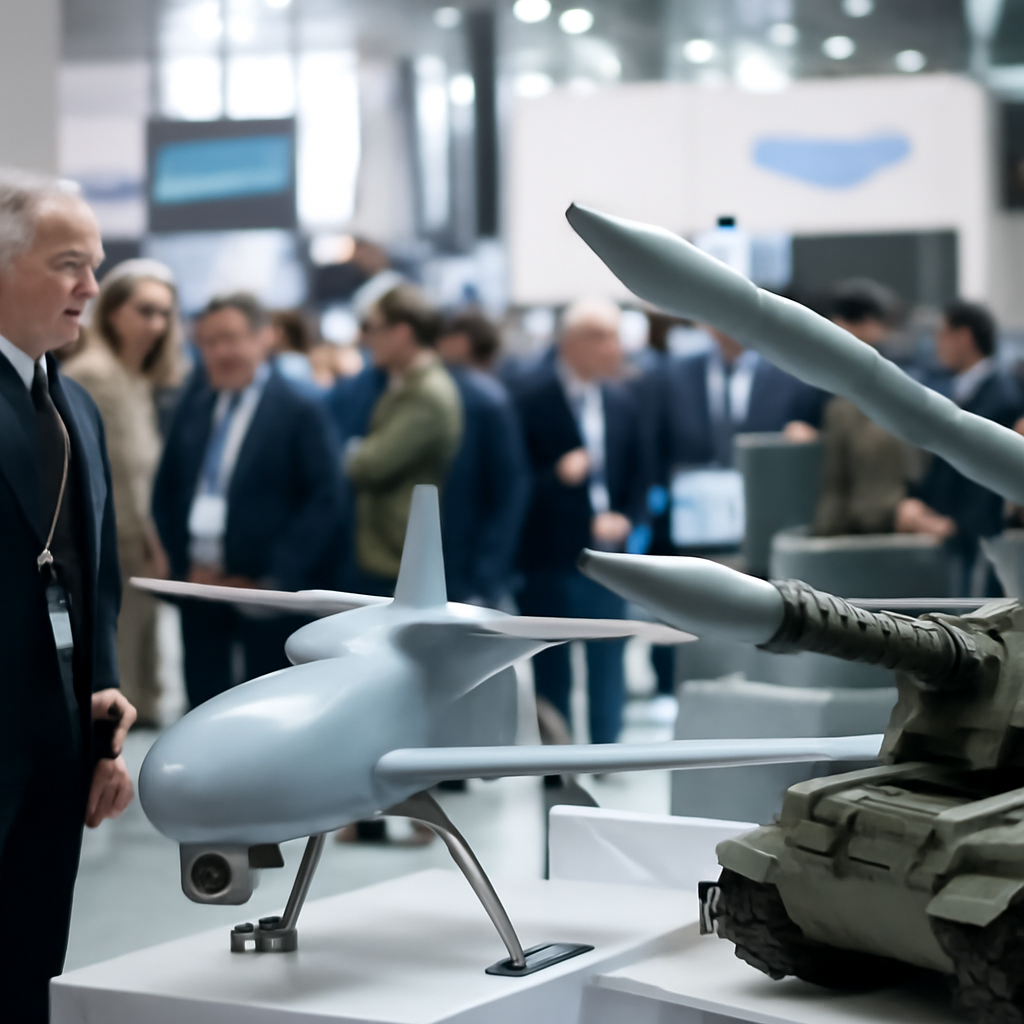
Pakistan recorded 405 small-factor drone attacks in Khyber-Pakhtunkhwa in 2025, the Inter-Services Public Relations (ISPR) reported — a figure that amounted to almost one in every 13 terrorist incidents recorded across the country that year, ISPR Director General Lt. Gen. Ahmed Sharif Chaudhry said.
Cheap commercial airframes, improvised lethality
Insurgents operating in Balochistan and Khyber Pakhtunkhwa have widely repurposed commercial quadcopters. The airframes cited in official accounts include the DJI Mavic 3, Matrice series and Air 2. Those platforms typically retail for between USD $200 and $1,000 per unit. Operators have adapted them to carry small explosive charges — generally in the 400–700 gram range — or to deliver grenades and packages filled with nails or ball bearings. To date, reporting indicates attackers have relied on crude taping and tying to secure these payloads; none of the documented incidents used purpose-built release mechanisms.
Numbers that reshape a campaign: 2025 into 2026
At his year-end press conference, Lt. Gen. Ahmed Sharif Chaudhry placed the 405 small-factor drone attacks within a broader tally of 5,397 terrorist incidents nationwide in 2025. That arithmetic — small quadcopter strikes representing roughly one in every 13 attacks — highlights how a low-cost technology has threaded itself into Pakistan’s counterinsurgency (COIN) environment.
What shifted as the calendar moved into 2026 was less the hardware and more the employment. Between 29 and 31 July 2026 at Khazina Banda in Hangu, a drone strike opened on a police post; as reinforcements moved to the scene, drones and heavy weapons engaged the convoy, leaving 11 police personnel dead and 28 injured. That episode illustrates the combined-arms effect when small drones are integrated into a broader kinetic sequence.

The cyber insurance questionnaire just landed. Now what?
SOC 2, HIPAA, insurance renewals - someone has to own security strategy. Nubivance provides fractional CISO leadership without the full-time salary.
Get a security leadTwo-way drone warfare: Pakistan as end-user and target
Two-way drone warfare, as observed in Pakistan’s COIN context, is a complex dynamic. Pakistan is both an end-user of small-factor drones and a defender against them. The state’s conventional, standing forces have historically faced mobile, less well-provisioned irregular adversaries; now both sides are operating the same small commercial platforms. Pakistan must defend fixed installations, such as air bases, while also protecting forward-deployed units and law-enforcement posts from low-cost aerial threats.
That dual character — using the technology while countering it — complicates tactical planning. The proliferation of inexpensive airframes and the simplicity of their battlefield adaptation lower the threshold for aerial attack, even when those attacks are executed without sophisticated delivery systems.
How the repurposed quadcopter changes response logic
The adoption of commercial quadcopters for hostile purposes compresses some parts of COIN decision-making. Because the drones in documented cases carry small, improvised payloads and lack complex release mechanisms, detection and mitigation efforts must contend with low-signature, low-altitude incursions rather than large, distinctive systems. The July 2026 Hangu incident demonstrates how drones can be used as an initiator or force multiplier for follow-on attacks on responding units; the operational pattern is not only strike-by-drone but strike-plus-kinetic-engagement against reinforcements.
What this means for the Pakistan Army, policymakers, and air-defence teams
- The Pakistan Army and ISPR: The military establishment is now tracking and reporting small-factor drone attacks as a material part of the COIN picture; the 405 attacks recorded in Khyber-Pakhtunkhwa in 2025 were presented alongside nationwide terrorism figures at a year-end ISPR briefing.
- Policymakers and the centre: The centre has been pursuing COIN campaigns to bring restiveness in Balochistan and Khyber Pakhtunkhwa under control; the integration of inexpensive drones into insurgent tactics complicates those campaigns by adding an aerial axis that is both cheap and difficult to attribute in conventional ways.
- Air-defence and base-protection teams: Defenders must account for threats that use off-the-shelf DJI Mavic 3, Matrice series and Air 2 frames with small, improvised explosive or shrapnel-filled payloads — threats that arrive in numbers and can be employed to shape follow-on ground violence.
Two-way drone warfare in Pakistan has not yet been defined by exotic, purpose-built aerial weapons so much as by the tactical imagination of irregular actors using cheap, widely available platforms. The method has evolved: insurgents are integrating small drones into attack sequences and combining them with ground fire. The numbers Lt. Gen. Ahmed Sharif Chaudhry offered for 2025 — and the deadly sequence in Hangu between 29 and 31 July 2026 — make clear that inexpensive aerial tools can alter battlefield rhythms and casualty profiles. The concrete question left on the table is whether Pakistan’s COIN apparatus can adapt its defensive posture and operational planning as quickly as insurgents adapt off-the-shelf drones to the fight.