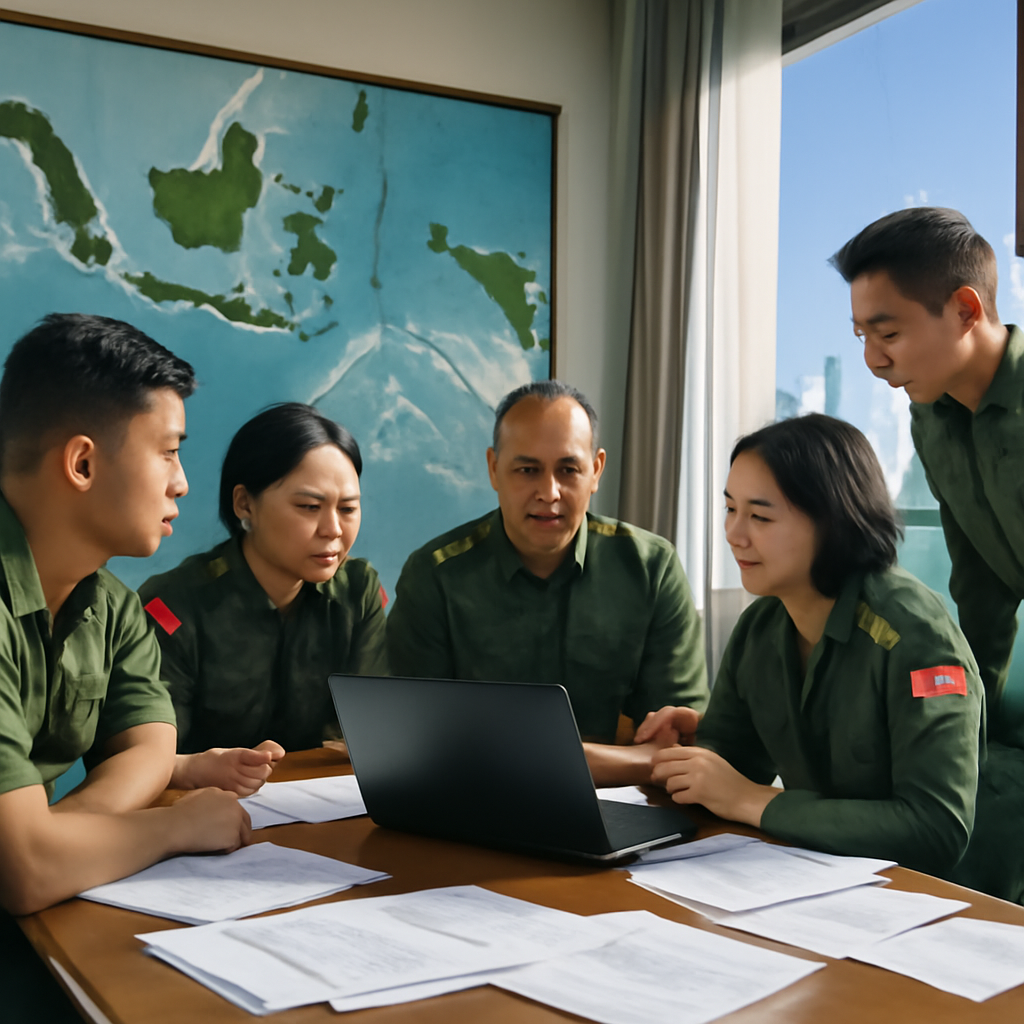
"focused on [the] advancements in aerospace innovation, unmanned aerial systems, and emerging technologies, reflecting the shared vision of both sides to pursue greater collaboration in next-generation defence technologies,"
ACM Zaheer Ahmed Babar’s visit to Türkiye and the Baykar engagement
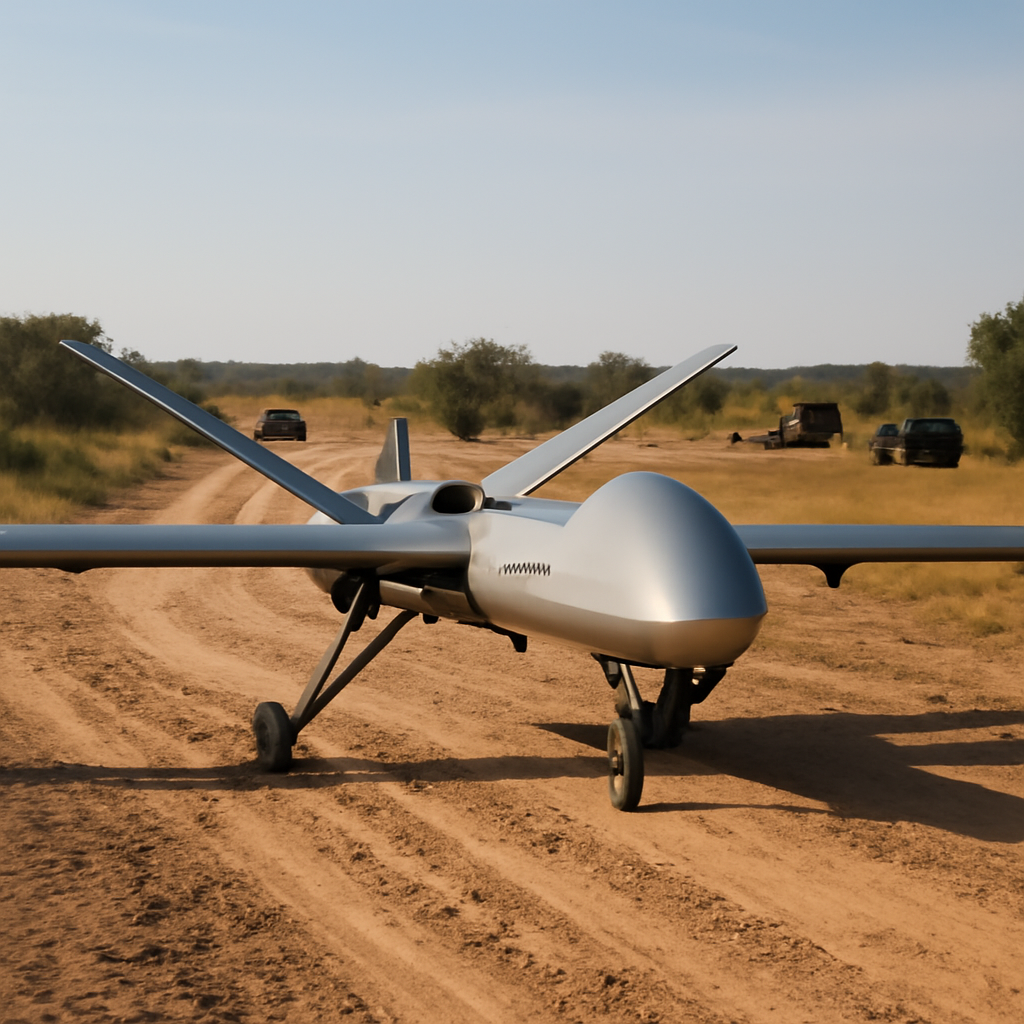
Air Chief Marshal Zaheer Ahmed Babar met in Türkiye with Selçuk Bayraktar, Baykar’s chief technology officer, in what the Pakistan Air Force’s Directorate General of Public Relations described in those words. The CAS held meetings with Turkish defence and air force counterparts, but among Turkish OEMs he met only with Baykar. The PAF was an early customer for Baykar’s Bayraktar Akıncı (a HALE UAV) and Bayraktar TB2 (MALE UAV), and Baykar established a presence at the National Aerospace Science and Technology Park (NASTP) to co‑develop KaGeM V3 and YiHA loitering munitions. That activity was later spun out as Baykar Technologies Pakistan, which is reportedly in talks with the PAF to establish an assembly or co‑production plant.
Why the Kızılelma is on the table
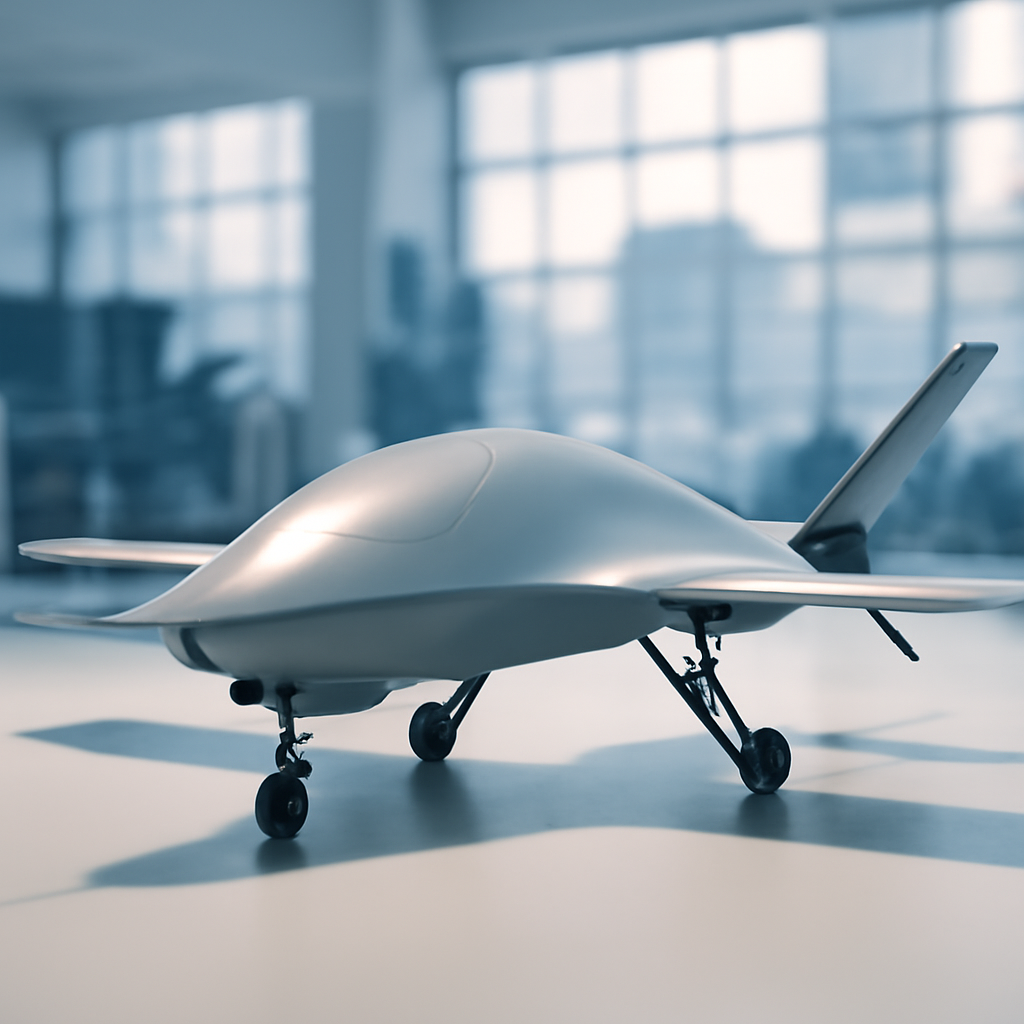
Quwa identifies three indicators suggesting the Bayraktar Kızılelma UCAV is being considered by the PAF: the platform is available for export (Baykar signed a memorandum of understanding with Indonesia), Baykar has actively marketed the UCAV to the PAF for several years and apparently did so during the CAS visit, and the PAF has a semi‑official UCAV requirement cited in Second to None magazine that seeks a stealthy UCAV. Those threads converge to make a fast‑start UCAV path with Baykar plausible, the analysis argues.

The cyber insurance questionnaire just landed. Now what?
SOC 2, HIPAA, insurance renewals - someone has to own security strategy. Nubivance provides fractional CISO leadership without the full-time salary.
Get a security leadKızılelma’s tested systems and partners
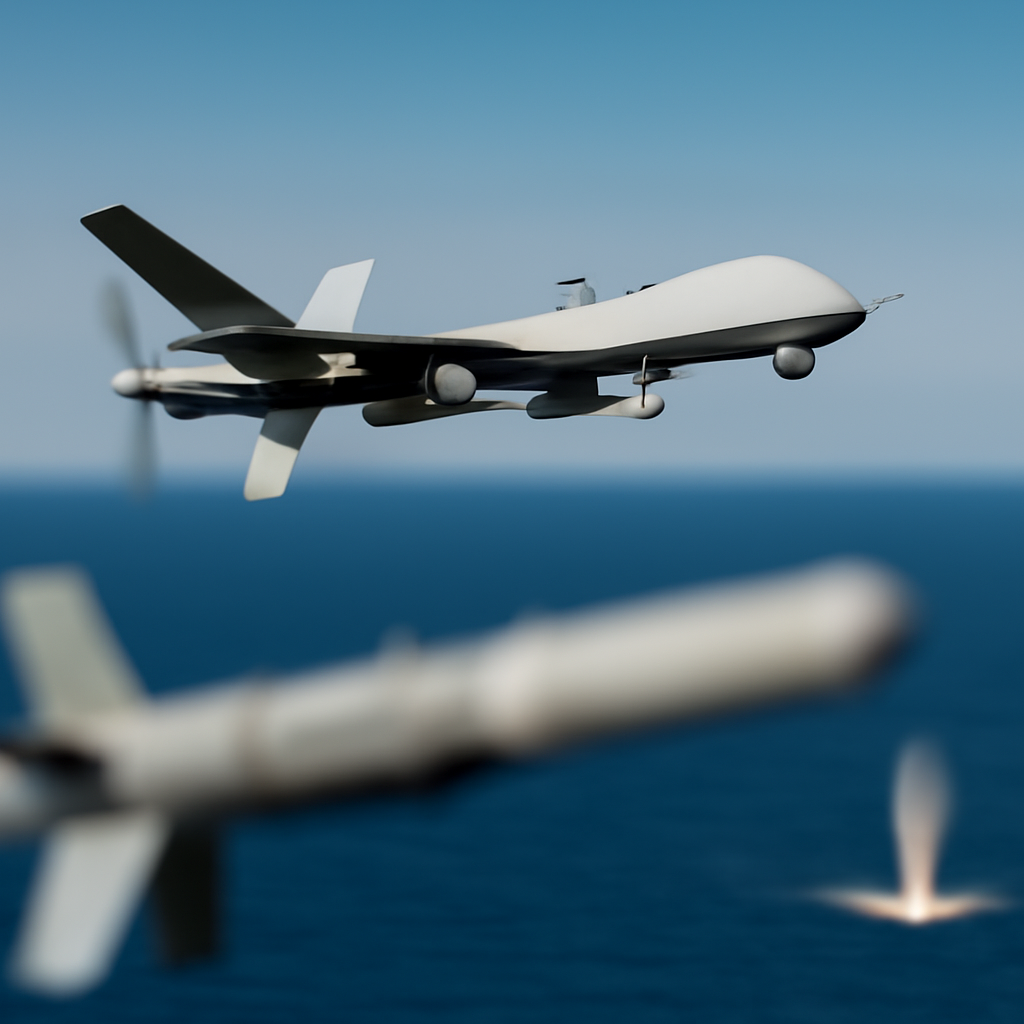
The Kızılelma has moved into later stages of development. In November 2025 it destroyed a jet‑powered target drone using TÜBİTAK‑SAGE’s indigenous Gökdoğan beyond‑visual‑range air‑to‑air missile, integrating Aselsan’s MURAD AESA radar for detection and tracking—an event Turkish officials described as the first recorded instance of a jet‑powered UCAV engaging a jet‑powered aerial target with a BVR missile. The UCAV’s sensor and comms stack includes Aselsan’s MURAD AESA radar and Aselsan’s Indigenous Flight Data Link (IVDL), a next‑generation tactical data link designed for manned‑unmanned teaming (MUM‑T) and collaborative combat aircraft (CCA). Munitions tested or integrated with the Kızılelma include Roketsan’s Gökdoğan and Bozdoğan air‑to‑air missiles and stand‑off weapons such as the SOM cruise missile. Separately, Leonardo was testing MUM‑T between its M‑346FA light fighter and the Kızılelma—an interoperability experiment Quwa uses to suggest the PAF could employ existing light twin‑seat types, for example the JF‑17B, as MUM‑T controllers before an NGFA is fielded.
PAF operational constraints and the argument for earlier UCAV strike mass
Quwa places the UCAV case in operational terms. It notes that Operation Swift Retort (2019) and Operation Bunyan‑un‑Marsoos (2025) established offensive air capability as essential to Pakistan’s conventional deterrence posture, while analyses cited by Quwa show the PAF’s ordnance‑mass delivery is constrained by a lack of medium‑ to heavy‑weight aircraft such as Flanker‑class types. The article points out that neither the J‑35AE nor KAAN have begun air‑to‑surface weapons integration trials, while Kızılelma is undergoing such tests, making a strike‑ready UCAV plausibly available ahead of a crewed next‑generation fighter aircraft (NGFA). In Quwa’s force‑employment framing, expendable UCAVs could execute high‑risk penetrator missions against air‑defence nodes, JF‑17s would follow with stand‑off weapon (SOW) strikes, and J‑10CEs would provide top cover with long‑range AAMs like the PL‑15—an approach the piece likens to the USAF’s CCA initiative.
NASTP, co‑development, and sovereign networking
The article makes the case that front‑loading UCAV development creates a co‑development pathway for the next‑generation network and MUM‑T architecture the PAF seeks to control. It notes the PAF has already pursued sovereign networking through Link‑17 and Skyguard, and argues that maintaining sovereign control of tactical data links, AI layers, and other inputs is imperative. Baykar’s local subsidiary could handle airframe and flight systems while NASTP contributes sensor integration, electronic support measures, EW, and communications protocol adaptation. Quwa points to IVDL and Turkey’s T‑LINK as wide‑bandwidth, low‑latency systems designed for high‑volume sensor fusion; shared development with partners such as Leonardo, Indonesia, or Saudi Arabia could spread costs and produce a usable architecture for multiple parties. The article also notes that Pakistan’s NESCOM retains cruise‑missile and drone expertise that could underpin smaller, attritable loyal‑wingman UCAVs in the 2,000–2,500 kg class—an area Türkiye currently lacks.
What this means for the PAF, Baykar Technologies Pakistan, and NASTP
- PAF: The service has a stated UCAV requirement and operational incentives to seek strike mass before an NGFA is fully integrated; talks over assembly or co‑production with Baykar would accelerate fielding and local workforce development.
- Baykar Technologies Pakistan: The subsidiary gains pathway to expanded sales and local production, leveraging prior co‑development at NASTP (KaGeM V3, YiHA) and Baykar’s export activity such as the Indonesia MoU.
- NASTP: The park could focus on sovereign data‑link, sensor‑fusion, and EW work rather than airframe manufacture, positioning local teams to shape the PAF’s next‑generation networking architecture while Baykar handles flight systems.
Quwa’s central argument is procedural as much as technical: the Kızılelma provides an available, tested platform that can seed co‑development of tools—the flight data links, sensor fusion, and production arrangements—from which a Pakistani sovereign UCAV programme could later emerge. The next concrete signs to watch are the reported talks about assembly or co‑production and further integration tests connecting the Kızılelma’s systems to platforms the PAF already operates. Source: Why the PAF Should Front‑Load UCAV Development – And Why the Kızılelma Is the Starting Point