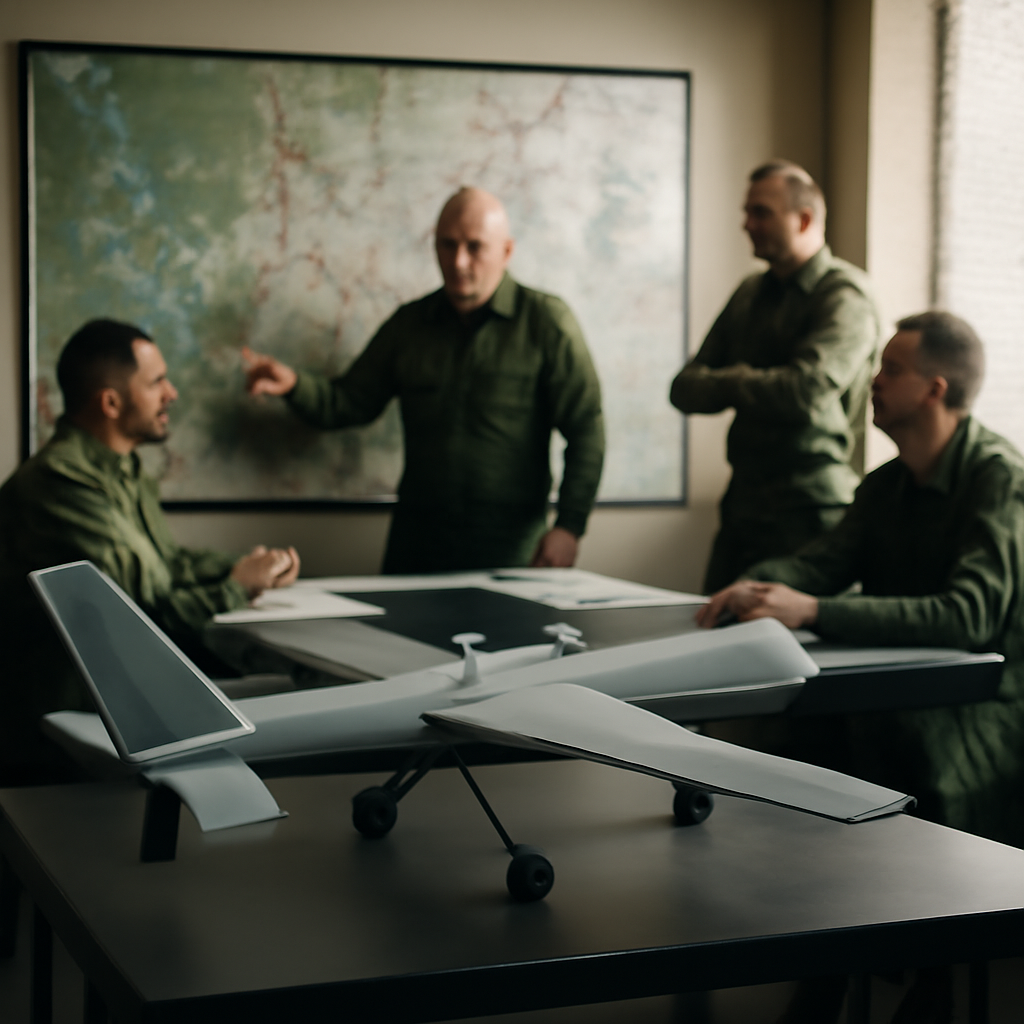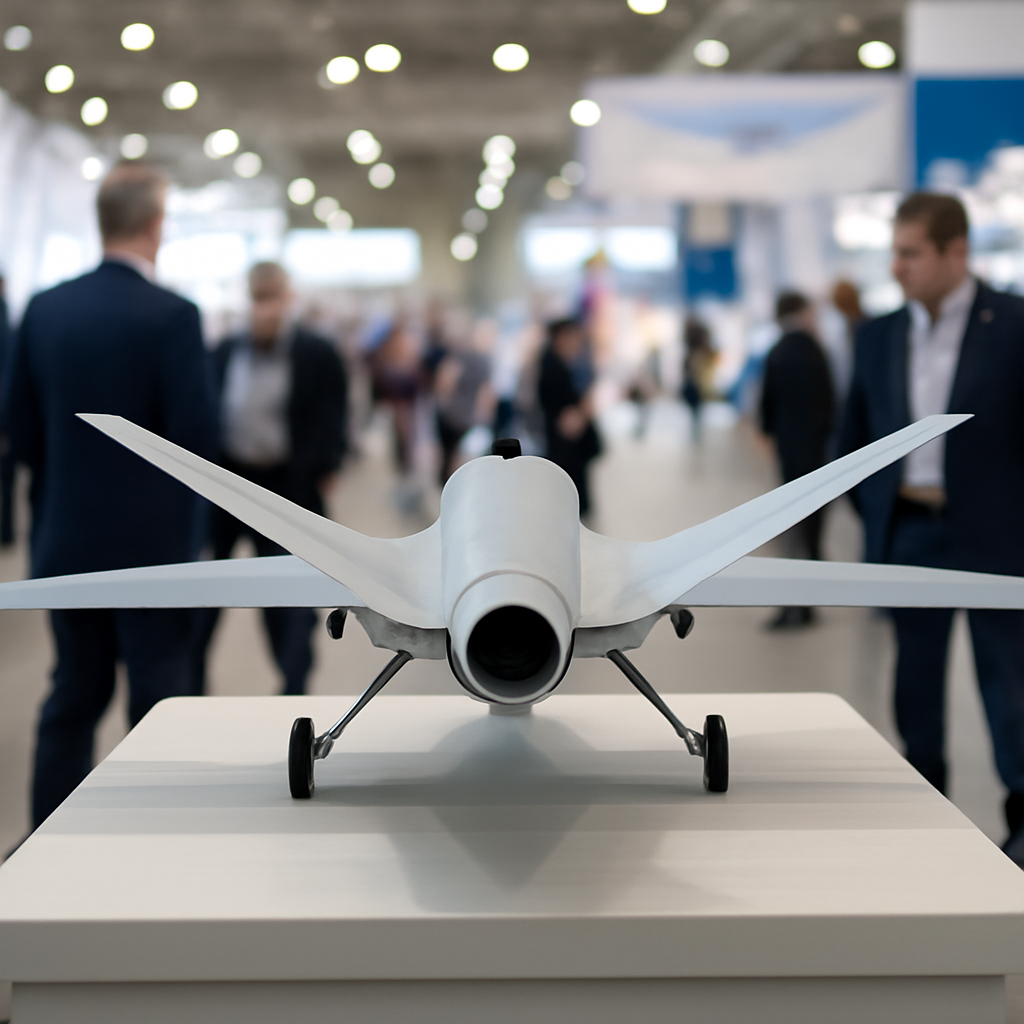
Funding of up to €500 million ($569.6 million) per partner is available for joint ventures between one Ukrainian firm and another from a NATO member state, the program announced by Ukraine’s defense technology cluster Brave1 and NATO makes plain.
Brave1 and NATO launch a joint innovation grant program in Milan
In Milan, Brave1 and NATO unveiled what they described as the “first joint innovation grant program,” opening applications on Tuesday. The program is explicitly targeted at companies from Ukraine and NATO member states and aims to accelerate fieldable solutions to an intensifying drone threat.
Who can apply and how the money is structured
Applications are intended for paired partnerships: one Ukrainian firm joined with one company from a NATO member state. Each partner in a successful joint venture can access funding of up to €500 million (noted in the announcement as $569.6 million), making this a commercially large and unusual grant envelope for collaborative defense innovation.

The cyber insurance questionnaire just landed. Now what?
SOC 2, HIPAA, insurance renewals - someone has to own security strategy. Nubivance provides fractional CISO leadership without the full-time salary.
Get a security leadFive technical priorities Brave1 flagged
Brave1 listed five areas of high interest for the program’s initial call:
- active protection systems against FPVS
- affordable counter-shaded systems
- electromagnetic support for signals intelligence
- electromagnetic attack technology against FPVs
- high-altitude platforms
The emphasis ranges from kinetic and electronic defeat tools to platforms that extend surveillance or strike reach — a portfolio aimed at both close-in, small unmanned systems and higher-altitude challenges.
Why the initiative focuses on FPV and Shahed-type drones
The program’s first call is squarely focused on countering FPV and Shahed-type drones. That focus follows continued, high-volume sorties against Ukraine: the London-based Institute for the Study of War reported that between July 25 and 26 Russian forces deployed one KH-59 cruise missile, seven Iskander‑M/S‑400 ballistic missiles, and 136 drones.
A representative for the Ukrainian company Skyfall told Breaking Defense in a recent interview that Moscow is increasingly relying on jet-powered Shaheds to strike deeper into Ukraine, while “regular ones” are being used as a replacement for long‑range artillery. Those operational patterns help explain why both low-signature, high-speed threats (jet-powered Shaheds) and prolific small drones (FPVs) are priorities for new countermeasures.
What this means for Ukrainian firms, NATO companies, and military planners
- Ukrainian firms: the program creates a direct pathway for domestic defense innovators to access sizable funding—provided they form a joint venture with a NATO-member company—potentially accelerating commercialization and fielding of locally developed counter-drone tech.
- NATO companies: firms in member states have an explicit route to partner with Ukrainian developers and to compete for large grants aimed at operational problems Ukraine is facing in real time, particularly large drone waves and jet‑powered strike drones.
- Military planners and field units: the program’s listed priorities—active protection, electromagnetic attack, and signals‑intelligence support—reflect pressing operational needs against both massed, low-cost unmanned swarms and higher‑speed Shahed‑type threats, suggesting procurement and testing cycles may accelerate if projects are funded.
The program pairs significant financial scale with narrowly defined operational problems: countering FPV craft and Shahed-type drones in the current battlefield environment. Whether new systems move quickly from grants to field deployment will be the critical test; the deployment figures cited by the Institute for the Study of War — and the Skyfall representative’s assessment of evolving Russian tactics — underline why speed and adaptability are now central to the effort.
Original reporting: https://breakingdefense.com/2026/07/ukraine-nato-launch-new-funding-program-to-counter-russian-drones/