In the ever-evolving landscape of modern discourse, a pressing question lingers: What lies at the intersection of oversight and accountability in the digital age? As we navigate the complexities of information warfare and technological advancements, the need for transparent and informed discussion has never been more paramount.
Context and Current Situation
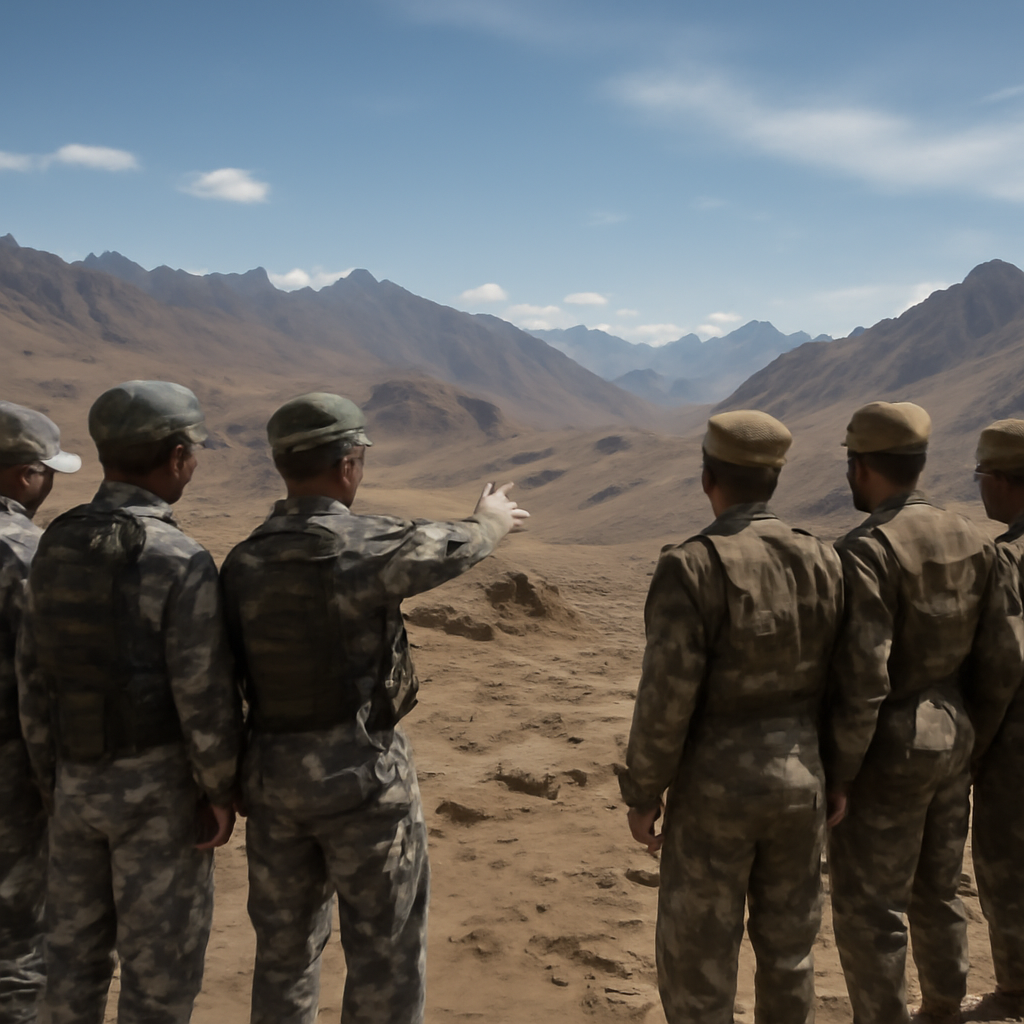
The discussion at hand revolves around the concept of a "tactical pause," a term often employed in military and strategic planning to denote a temporary cessation of operations. While specific details regarding the context of this pause are scarce, its mention sparks a broader conversation about the coverage and scrutiny of contemporary issues. The source material hints at a reflective analysis of what has been covered and what remains unaddressed, suggesting a critical examination of priorities and potential blind spots in reporting.
Perspectives and Implications
- Technologists might view the notion of a tactical pause as an opportunity to reassess and realign technological development with emerging challenges and ethical considerations.
- Policymakers could interpret it as a call to action to revisit and refine policies in light of new information or shifting landscapes.
- Users and the general public may see it as a moment to reflect on the information they consume and the narratives that shape their understanding of the world.
- Adversaries might perceive it as a strategic opening or a sign of weakness, depending on their perspective and objectives.

Audit-ready is a season. It shouldn't be.
Evidence in spreadsheets, controls drifting between audits, frameworks multiplying on flat headcount. Nubivance runs continuous compliance on Rapid7 Cyber GRC - SOC 2, HIPAA, ISO 27001, PCI, CMMC.
End the scrambleAnalysis and Conclusion
In an era where information is power, and the dissemination of that information can significantly influence public perception and policy, the importance of thorough and balanced reporting cannot be overstated. The concept of a tactical pause—whether in military operations, media coverage, or public discourse—serves as a poignant reminder of the need for periodic reflection and adjustment. As we move forward, it is crucial to consider the multifaceted implications of our actions and inactions, ensuring that our collective pursuit of knowledge and truth remains informed, nuanced, and committed to the principles of transparency and accountability.
What does the future hold when the tempo of information and action accelerates? Only through diligent examination and open dialogue can we hope to navigate these challenges effectively.