“American and allied warfighters need a solution that is battle-tested and budget-smart, and PAC-3 ACE delivers exactly that by building on the unrivaled performance of the PAC-3 MSE,” said Tim Cahill, president, Lockheed Martin Missiles and Fire Control.
Lockheed Martin unveils PAC-3 ACE as a lower-cost Patriot effector
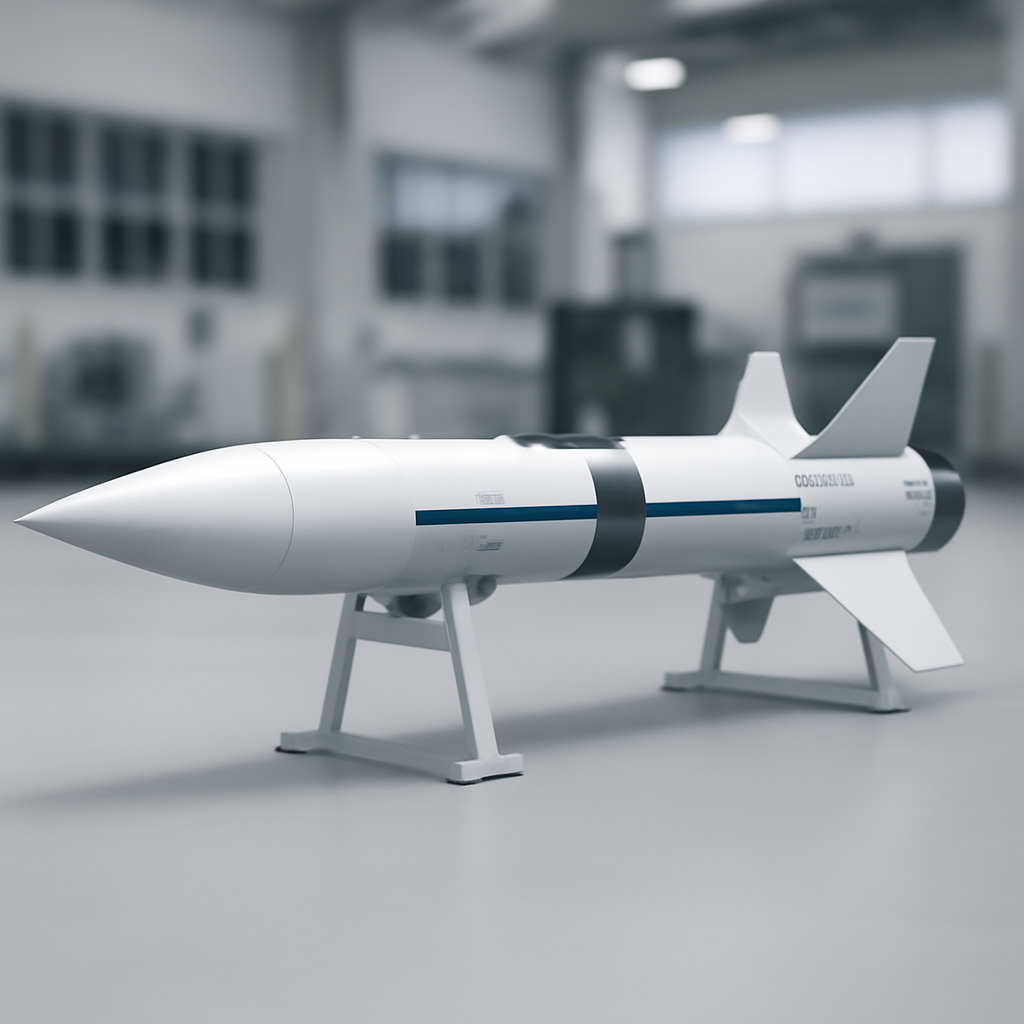
Lockheed Martin has announced the PAC-3 Adapted Capability Effector (ACE), a lower-cost interceptor designed to work with the Patriot surface-to-air missile system. The company describes PAC-3 ACE as a “rapidly fielded complement to existing Patriot interceptors,” intended to defeat aircraft, cruise missiles, and shorter-range ballistic missile (SRBM) threats while reducing per-unit cost.
Price, production, and integration with Patriot and IBCS
Lockheed provided a ballpark price of about $2.5 million per PAC-3 ACE missile, roughly half the in-production PAC-3 Missile Segment Enhancement (MSE) price. The PAC-3 MSE price in the Army’s proposed budget for Fiscal Year 2027 is listed at approximately $5.3 million per interceptor, and in the past a single MSE came in around $4 million. The company says PAC-3 ACE will leverage existing Patriot hardware, specifically the PAC-3 fire-control system and Northrop Grumman’s Integrated Battle Command System (IBCS), which should permit faster development, testing, and deployment and let operators slot ACE into existing Patriot batteries.

This site is the portfolio.
OSINTSights runs on Cloudflare Workers, D1, R2, and Vectorize, with an AI pipeline on Hetzner ARM. Nubivance designed, built, and operates it. We do the same for clients.
See what we buildDesign trade-offs the announcement highlights
Lockheed’s public rendering and commentary indicate the PAC-3 ACE will be a more compact interceptor and — coupled with its lower price — will offer a degraded capability set compared with the PAC-3 MSE. The story notes several areas where capability may be reduced: potentially shorter range, a lower engagement ceiling, and reduced ability against the most advanced threats. The rendering reportedly omits the PAC-3 MSE Attitude Control Section — the ring of small rocket motors that enhances agility — and the missile “may not feature” the MSE’s “Lethality Enhancer” warhead, possibly relying on a hit-to-kill solution or another lower-cost warhead. The use of a less advanced seeker is also described as highly probable.
How the U.S. Army’s LCI, allied Patriot operators, and the U.S. Navy are affected
- U.S. Army (Low Cost Interceptor initiative): The Army previously sought interceptors under the Low Cost Interceptor (LCI) initiative with a target unit cost under $1 million and specific requirements for M903 launcher integration and IBCS networking. PAC-3 ACE’s roughly $2.5 million unit price falls short of that sub-$1 million goal but could still be considered if the service accepts the higher price in exchange for rapid fielding and compatibility with existing launchers and command systems.
- Allied Patriot operators: More affordable interceptors could let operators increase magazine depth by buying larger stocks of missiles, a concern acute in active theaters where Patriot effectors have been heavily expended. Lockheed says it will work with U.S. and European industrial partners to expand manufacturing capacity and bolster transatlantic industrial resilience.
- U.S. Navy: The Navy’s effort to integrate PAC-3 MSE into the Mk 41 Vertical Launch System (VLS) will add sea-based demand for PAC-3 family interceptors. PAC-3 ACE, by providing a lower-cost alternative compatible with Patriot fire-control and networks, could help meet that expanded demand.
Inventory pressure, production commitments, and strategic trade-offs
The announcement arrives amid intense pressure on Patriot inventories. Lockheed already has a January contract with the Pentagon to boost annual PAC-3 MSE production to 2,000 missiles, up from roughly 600. The company frames PAC-3 ACE as a way to lower cost-per-kill against lower-tier threats such as drones and cruise missiles and to extend magazine depth for operators facing sustained engagements. The trade-off the company and customers will weigh is clear: lower per-unit cost and faster production versus reduced performance against the most demanding targets.
Whether PAC-3 ACE will meaningfully shift procurement decisions depends on the Army’s appetite for interceptors above the LCI cost target, the degree to which ACE’s degraded capabilities still meet operational needs, and the speed with which Lockheed and partners can convert the design into production. The announcement signals a deliberate move toward a more layered, cost-conscious approach to air defense — one that prioritizes quantity and affordability alongside selective retention of high-end interceptors for the most challenging engagements.