What the House bill would require the Navy to produce
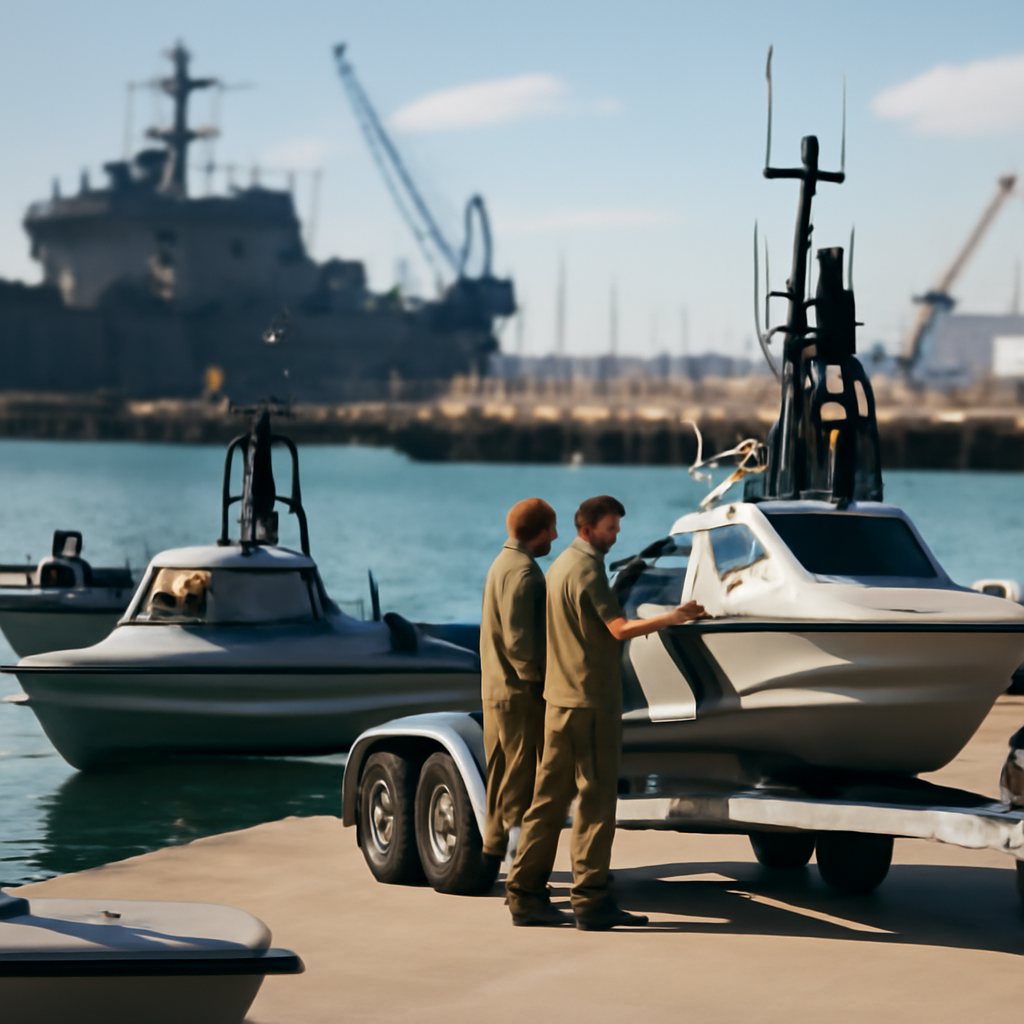
The committee’s draft, which passed out of committee late Thursday, would force the Navy to set out a comprehensive plan to buy, sustain and operate small unmanned surface vessels (sUSVs). The draft specifies the class it addresses — seagoing drones weighing less than 50 metric tons and no more than 50 feet long — and requires a detailed inventory of each acquired USV, the mission sets for which each would be used, how they would operate alongside crewed vessels, and how they will tie into existing command and control, intelligence, surveillance and reconnaissance, and logistics infrastructure.
Accelerating commercial procurement and identifying obstacles
The bill specifically tasks the Navy with developing a plan to “accelerate procurement and integration of commercially available sUSVs.” In direct reporting language the committee argued that buying more commercially available “technologies and platforms could enhance fleet readiness, reduce developmental timelines, and lower overall costs compared to government designs.” The draft also requires the Navy to submit a report identifying obstacles to buying commercially available small USVs, signaling congressional interest in lowering barriers between fleet demand and off-the-shelf solutions.

Audit-ready is a season. It shouldn't be.
Evidence in spreadsheets, controls drifting between audits, frameworks multiplying on flat headcount. Nubivance runs continuous compliance on Rapid7 Cyber GRC - SOC 2, HIPAA, ISO 27001, PCI, CMMC.
End the scrambleOperational autonomy and degraded environments
A separate provision focuses on autonomy and resiliency. The draft bills requires the Navy to certify that procured drone boats can function “during periods in which communications capabilities are denied, degraded, intermittent, or limited; and (2) during periods in which positioning, navigation, and timing capabilities are degraded or unavailable,” according to the bill. Along with that technical standard, the Secretary of the Navy would be required to “develop and implement a strategy for the integration of unmanned surface vessels naval force design and joint maritime operations,” and to provide a report to congressional defense committees within 210 days of enactment and annual briefs thereafter.
XLUUVs: pushing experimental platforms toward fielding
Like the Navy’s recent 30-year shipbuilding plan, the HASC draft calls out undersea drones and presses the Navy to adopt extra-large unmanned underwater vehicles (XLUUVs) that have already been tested. The committee “encourages the Secretary of the Navy to accelerate adoption of the XLUUV platforms selected through the Combat Autonomous Maritime Platform program’s 2025 competitive process to transition these systems from experimentation to operational deployment and to equip priority commands with the capabilities required to meet Fleet demands.” The draft directs the Secretary to brief the House Committee on Armed Services not later than March 1, 2027, with plans to accelerate adoption and fielding of XLUUVs and associated payloads using existing production contracts, including fielding timelines.
Special Operations Command and a hybrid-electric amphibious seaplane
The bill also reaches beyond unmanned surface and undersea platforms. It requires the head of Special Operations Command to brief Congress by Dec. 1 on the need for a “hybrid-electric amphibious seaplane” that could, the draft says, “provide a viable solution by enabling fixed-wing aircraft to operate from waterways, runways, and unimproved surfaces with increased combat radius, reduced fuel consumption, and lower acoustic and thermal signatures.”
What this means for technologists, acquisition officials, and commanders
- Technologists and program developers: expect a push to prove autonomy and resilience in denied or degraded communications and PNT environments and to demonstrate integration with existing C2, ISR, and logistics systems.
- Acquisition and procurement leaders: will be asked to accelerate the use of commercially available sUSVs and to document barriers to commercial buys, putting a premium on rapidly fielded, lower-risk buys alongside developmental programs.
- Naval commanders and Combatant Commands: the committee’s language reflects urgent operational demand and directs the Navy to present timelines and inventories so commands can be equipped to meet those demands.
The House draft ties congressional urgency to concrete deliverables — inventories, certification standards, briefings and timelines — and presses the Navy to move several experimental and commercial pathways toward operational status. The measures arrive as the Pentagon prepares to spend more on unmanned vessels and just weeks after the Navy released a 30-year shipbuilding plan that counted hundreds of unmanned surface vessels in its hull totals. Whether the Navy meets the committee’s deadlines and how quickly commercially available platforms are adopted will be the next hard metrics to watch.
Source: Defense One, "House lawmakers want the Navy to deploy drone boats faster"