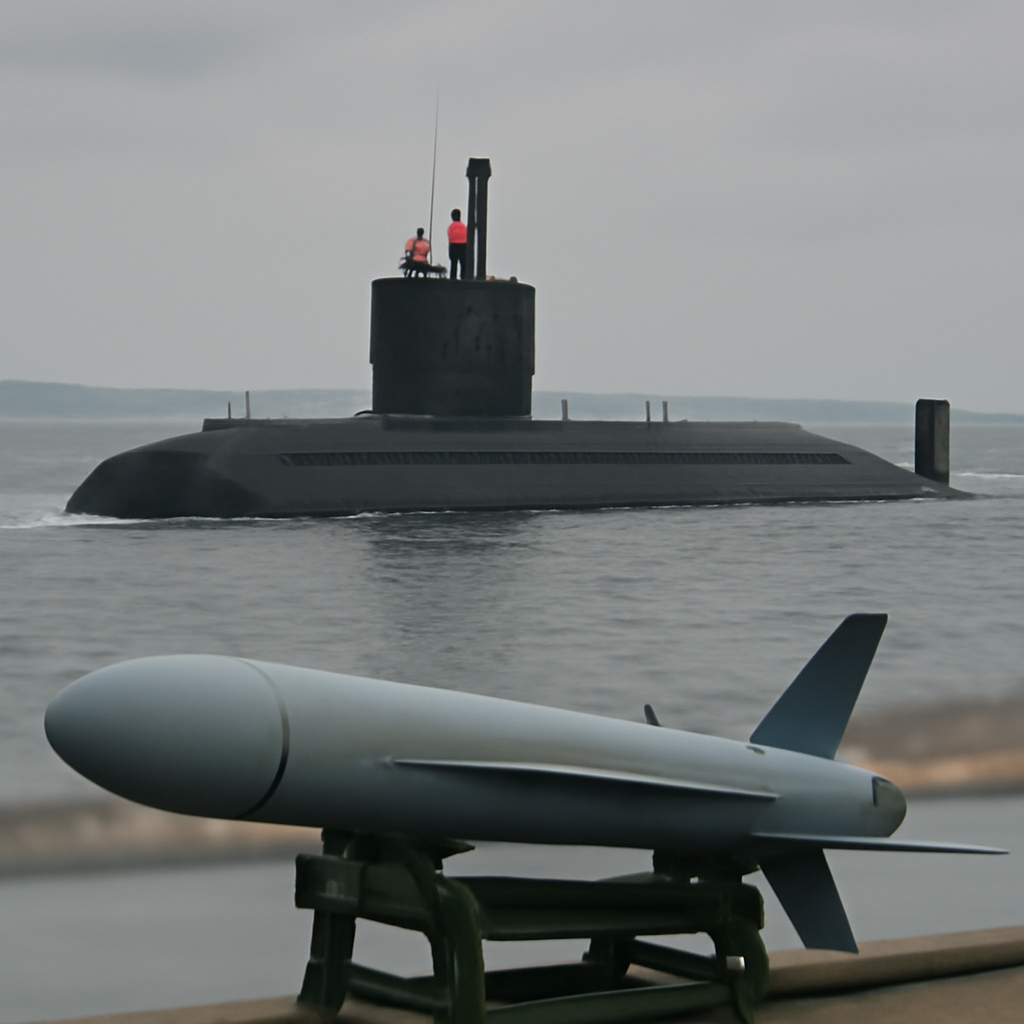
"Production capacity itself is deterrence," Defense Minister Koizumi Shinjiro said, framing a debate that could reshape how Tokyo supplies weapons abroad.
A Japanese-style FMS and a new agency
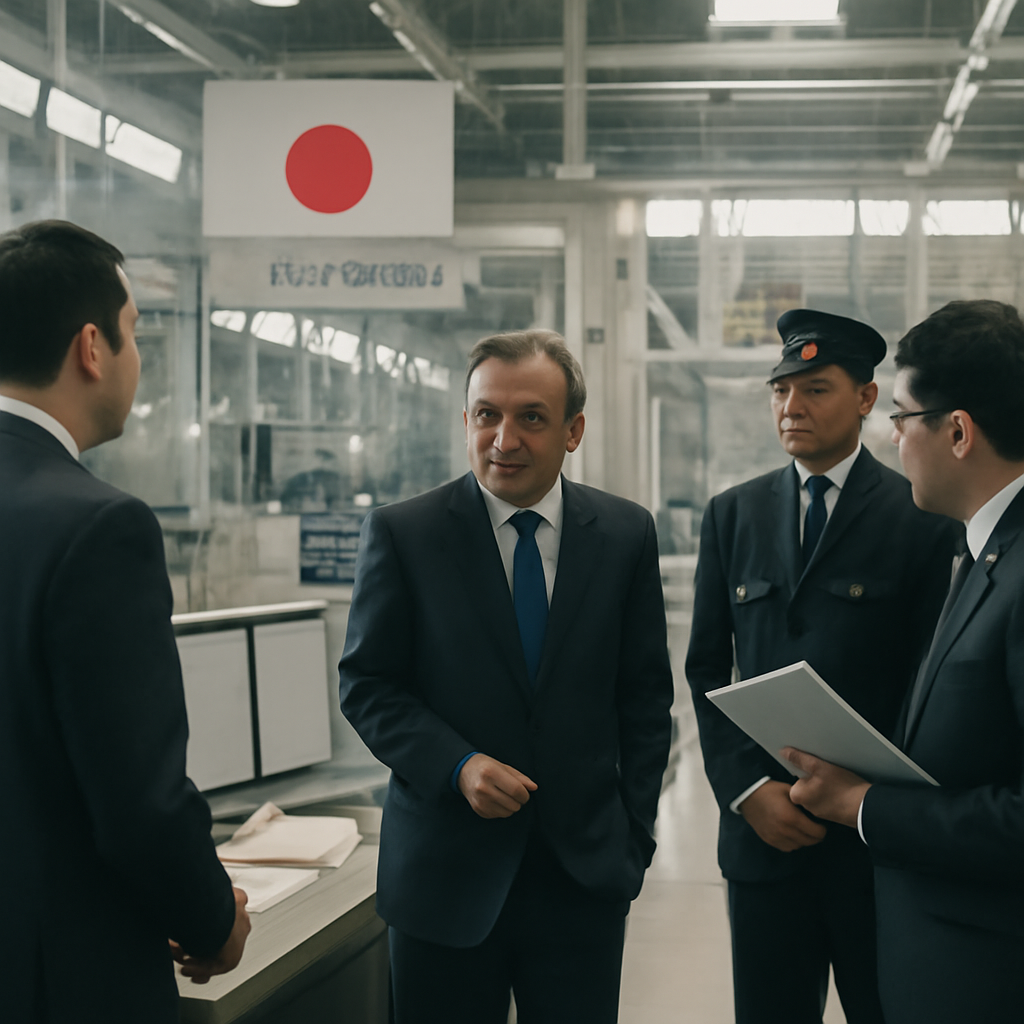
Japan is actively examining the creation of a domestic Foreign Military Sales (FMS) system and a new organization to manage defense exports and industrial development, Defense Minister Koizumi Shinjiro confirmed. Officials, he said, are engaged in "continuous deliberations" on concrete measures and institutional arrangements, though no final decisions have been reached. The government is considering housing the new body in the form of an independent administrative agency to serve as a central contracting window for foreign customers.
Koizumi’s strategic argument: deterrence through production
Koizumi framed the change as strategic, not merely commercial. He argued defense equipment transfers strengthen the deterrence and response capabilities of allies and like-minded countries while reinforcing Japan’s production base. The Defense Minister and other planners are increasingly using the concept of "sustained combat capability"—the industrial ability to replenish ammunition, replace losses, and maintain production during prolonged conflicts—lessons, they say, drawn from Russia’s invasion of Ukraine.

The cyber insurance questionnaire just landed. Now what?
SOC 2, HIPAA, insurance renewals - someone has to own security strategy. Nubivance provides fractional CISO leadership without the full-time salary.
Get a security leadHow a state-led system would differ from today’s model
Under the current model, Japanese companies largely negotiate and manage overseas sales themselves. A Japanese-style FMS would shift the principal contracting role to the state, increasing government involvement in sales, long-term maintenance, financing, logistics and government-level commitments. The source material notes that foreign buyers typically expect decades-long support—training, logistics and financing—not just equipment delivery. The proposed system aims to provide that reliability and better align exports with broader foreign and security policy objectives.
Yet the source makes clear that replicating the U.S. model would be difficult. The United States’ FMS program benefits from decades of institutional experience, a vast defense-industrial base, sophisticated financing arrangements and an extensive global logistics network—advantages Tokyo lacks. Tokyo will still need to resolve practical issues such as contract management, liability, technology protection, pricing, after-sales support and long-term sustainment responsibilities. The initiative is expected to be reflected in revisions to Japan’s three national security documents later this year, with implementing legislation potentially following in 2027.
International precedents and regional customers
Japan would not be alone in establishing a dedicated export-support organization. The reporting cites several international examples: South Korea relies on the Korea Trade-Investment Promotion Agency (KOTRA) and the Defense Acquisition Program Administration (DAPA); France has the Direction Internationale (DI); Israel operates the International Defense Cooperation Directorate (SIBAT) under its Ministry of Defense; and Sweden uses its Defence Materiel Administration (FMV). Those precedents strengthen the argument among Japanese policymakers that defense exports require a dedicated government framework rather than leaving responsibilities primarily to private firms.
The source identifies specific regional partners that could be affected as Tokyo deepens security cooperation across the Indo-Pacific. Australia, the Philippines and other regional states seeking to strengthen maritime security could gain greater access to Japanese radar systems, naval platforms, drones and other technologies if a state-backed export framework materializes. A government-led approach could give those buyers greater confidence in long-term maintenance and political backing.
What this means for policymakers, affected enterprises, and partner states
- Policymakers and regulators: They will need to translate "continuous deliberations" into legal and institutional architecture—drafting implementing legislation, designing liability and pricing rules, and deciding whether an independent administrative agency is the right vehicle. They must balance expanded export support with continuing domestic sensitivities about arms transfers.
- Affected enterprises and procurement leaders: Japanese manufacturers, many of which are diversified conglomerates for which defense is a portion of activity, could offload contract management and long-term sustainment obligations to government, while gaining access to export opportunities that previously proved difficult. But firms will still need to adapt to new models of government oversight, technology protection requirements and possibly different cost structures tied to state-backed financing.
- Partner states in the Indo-Pacific: Countries such as Australia and the Philippines could see improved access to Japanese defense technologies and more predictable long-term support, making acquisitions of radar systems, naval platforms and drones more feasible. Governments seeking reliable partners may respond favourably to a Tokyo-backed guarantee of sustainment and logistics.
The debate marks a notable evolution. A decade ago, the central question was whether Japan should permit defense exports at all; today policymakers are debating how actively the government should promote and support them. Whether a Japanese-style FMS ultimately emerges remains undecided, but the open consideration by senior officials—and the slated revisions to national security documents this year with potential legislation in 2027—indicates Tokyo is preparing to treat defense-industrial capacity as an instrument of statecraft as much as commerce.